China’s Budget AI Models Are Crushing Silicon Valley’s Premium Giants
Silicon Valley just got blindsided. Chinese AI companies are winning the race nobody saw coming.
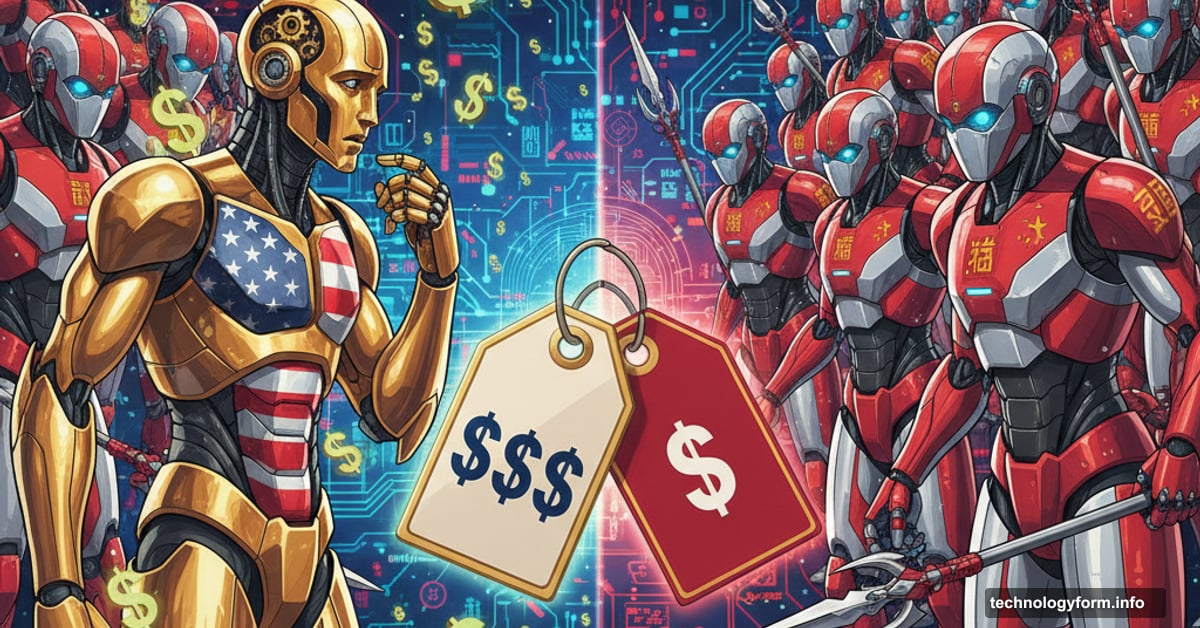
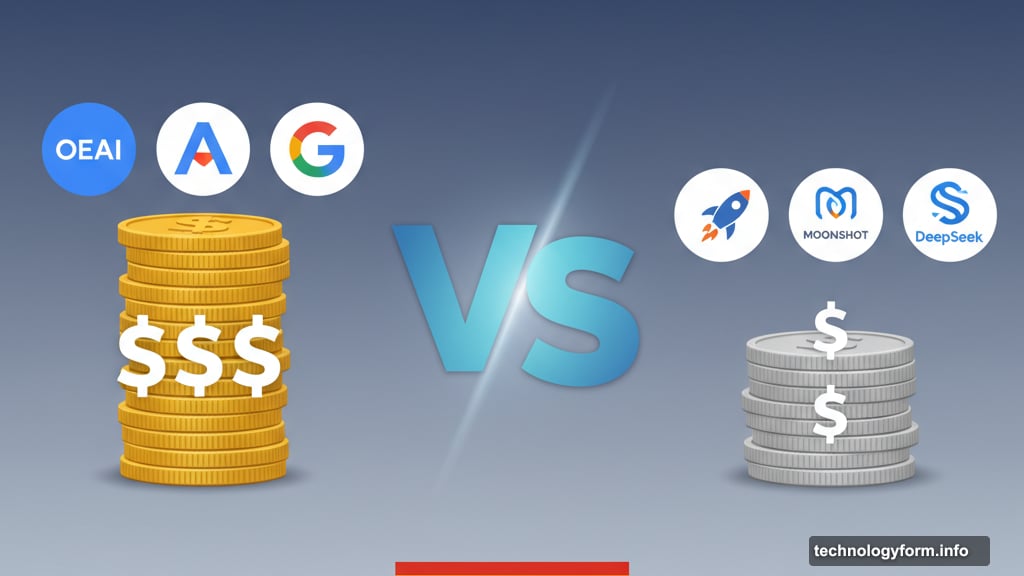
American tech giants spent billions building premium AI models. Meanwhile, Chinese developers like Alibaba, Moonshot, and MiniMax quietly released open-source alternatives that cost a fraction of the price. Now those budget models are everywhere, and US companies can’t ignore them anymore.
The numbers tell a brutal story. Seven of the top 20 most-used AI models last week came from China, according to OpenRouter data. For coding tasks specifically, Chinese firms built four of the ten most popular tools.
The Download Gap Is Massive
Hugging Face hosts AI models from around the world. Chinese models racked up over 540 million downloads by October. That’s not a typo.
US models still dominate premium markets. But volume? China wins decisively. And volume matters more than most Silicon Valley executives want to admit.
Tech Buzz China founder Rui Ma explained the split clearly. Startups and smaller companies gravitate toward Chinese models. Big corporations with deep pockets stick with American options.
That’s a problem for US firms. Today’s scrappy startups become tomorrow’s major players. If they build on Chinese AI infrastructure now, switching later gets expensive and complicated.
Performance Beats Marketing Hype
Chinese AI development flew under the radar for years. Western tech media focused on OpenAI, Google, and Anthropic while Chinese labs published papers and filed patents.
Greg Slabaugh teaches AI at Queen Mary University of London. He told Al Jazeera that China’s progress got underestimated because the signal was fragmented. Chinese models primarily served Chinese users, so global awareness lagged behind actual capabilities.
Open-source releases changed everything. Now anyone can test Chinese models directly. And the results speak for themselves.
DeepSeek’s V3.2 handles complex reasoning tasks. MiniMax’s M2 excels at conversational AI. Z.ai’s GLM 4.6 processes code efficiently. These aren’t experimental toys. They’re production-ready tools that cost dramatically less than GPT-4 or Claude.
The Android Parallel Nobody Wants to Discuss
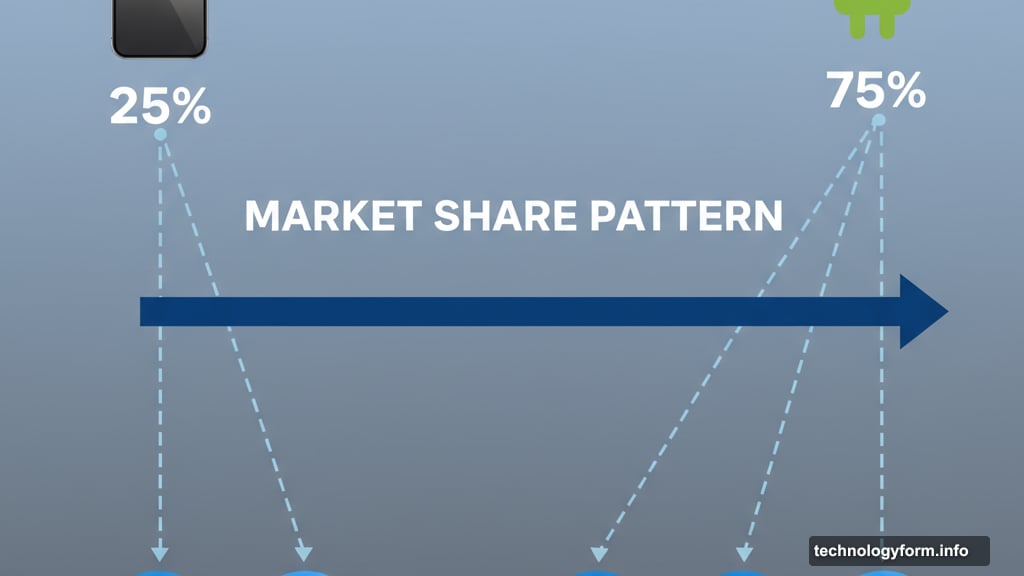
Remember when iPhone dominated and Android seemed like a cheap knockoff? Then Android conquered 75% of the global smartphone market.
AI might follow the same trajectory. Most people worldwide prioritize cost over premium features. Chinese models nail that value proposition.
Fortune 500 companies and regulated industries will stick with US models for now. National security concerns and compliance requirements matter in those sectors. But everywhere else? Chinese AI becomes increasingly attractive.
Slabaugh doesn’t expect widespread Fortune 500 adoption soon. But that qualifier—”soon”—tells you everything. The door isn’t closed. It’s just not fully open yet.
Silicon Valley’s Uncomfortable Reality
US tech giants poured resources into building the most advanced AI possible. They succeeded technically. GPT-4, Claude, and Gemini represent cutting-edge capabilities.
Chinese developers took a different approach. They focused on good-enough performance at prices that make adoption frictionless. For most use cases, good enough beats perfect-but-expensive.
This isn’t new. Chinese companies disrupted smartphones, solar panels, and electric vehicles the same way. Start with lower prices and acceptable quality. Improve relentlessly. Eventually dominate market share.
American firms now face difficult choices. Cut prices and sacrifice margins? Double down on premium features and cede the volume market? Build their own open-source alternatives?
None of those options sound appealing. But ignoring Chinese AI isn’t viable anymore either.
What Happens Next
The AI landscape splits into two tiers. Premium closed-source models from US companies serve high-end customers. Budget open-source models from Chinese firms capture everyone else.
That split creates long-term problems for American companies. Developers learn on whatever tools they use first. If millions of programmers worldwide train on Chinese AI models, those models become the default. Network effects and ecosystem advantages compound over time.
Silicon Valley underestimated Chinese AI development. That mistake is getting expensive. Chinese models proved you don’t need the biggest budgets or flashiest marketing to win. You just need to solve real problems at prices people can afford.
US tech giants better figure out their response soon. Because this race isn’t slowing down. And right now, China’s budget AI models are winning where it counts most: actual adoption.