Facebook Just Built a Snitch Tool for Stolen Videos
Content theft on social platforms finally gets a proper response. Meta rolled out new protection tools that automatically track when your videos get lifted by copycats.
Creators have complained about video theft for years. Someone swipes your reel, reposts it without credit, and racks up views while you get nothing. Now Meta’s doing something about it with a feature called “content protection.”
Here’s how it actually works and whether it’ll make a difference.
Automatic Detection Catches Copycats
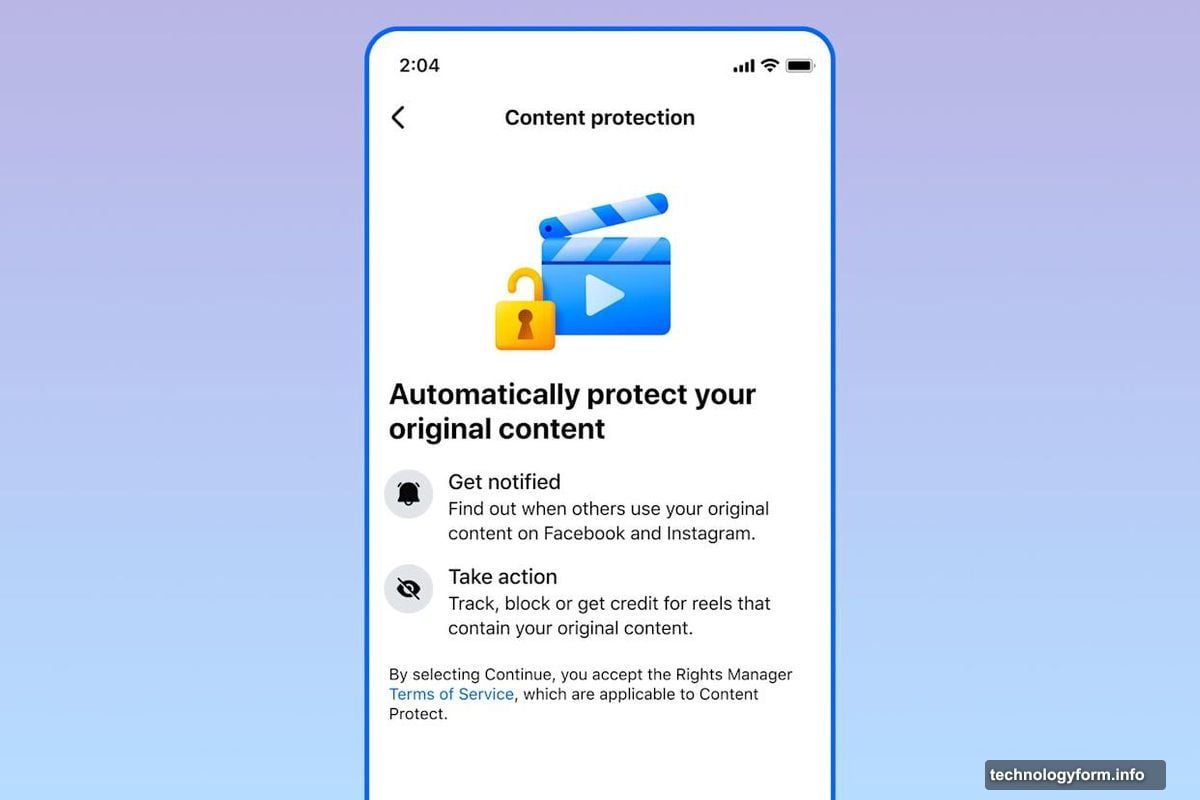
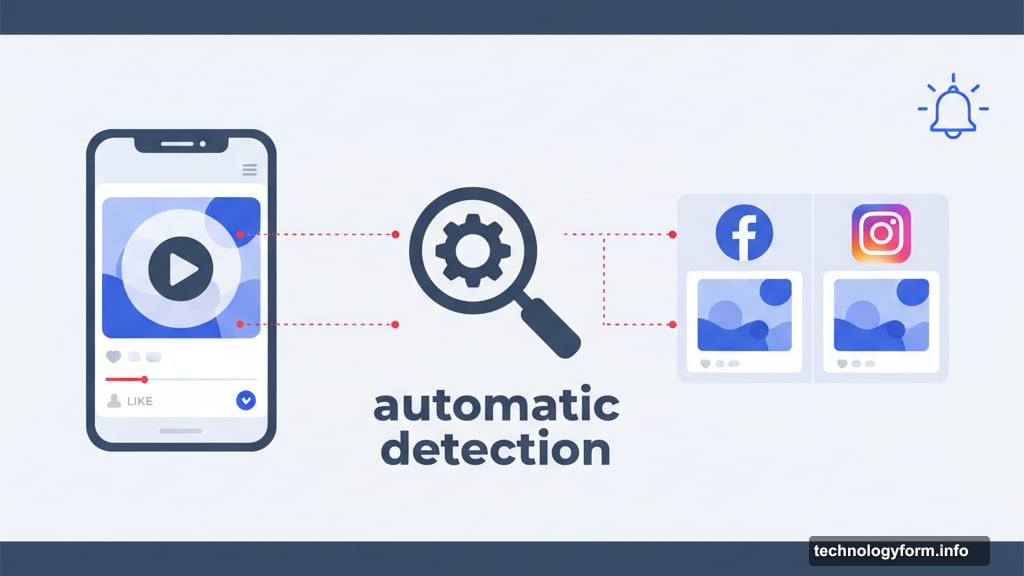
The new system scans Facebook and Instagram for copies of your original reels. It finds full reposts and partial clips automatically.
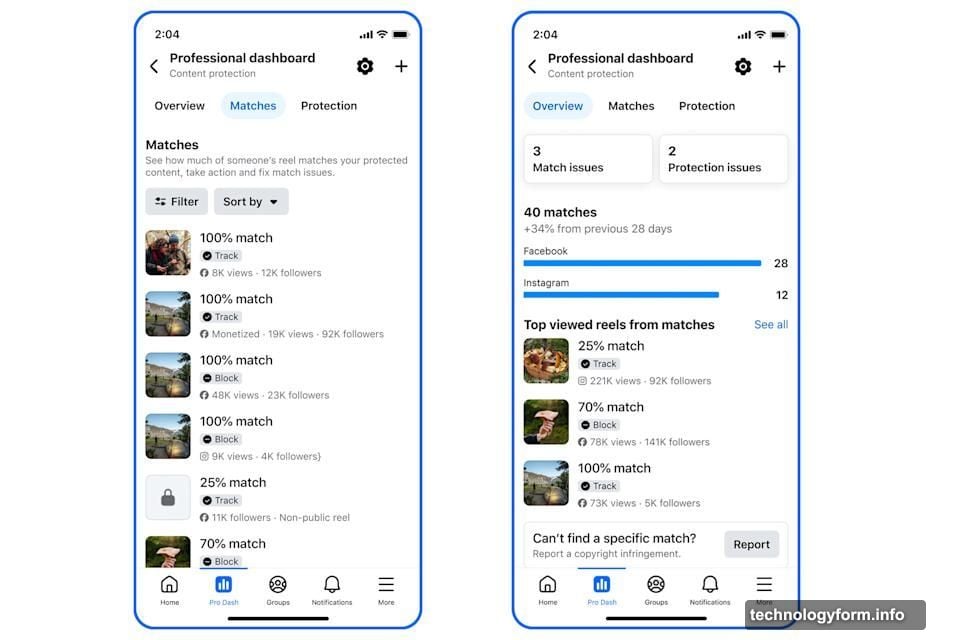
No manual searching required. Once enrolled, creators get alerts when someone reuses their content. The dashboard shows every account that lifted your video, even if they only grabbed a 10-second chunk.
Plus, the system tracks both platforms. So if you post a reel on Facebook, content protection will catch copies on Instagram too. That cross-platform detection matters since thieves often repost across multiple sites.
Three Response Options Give You Control
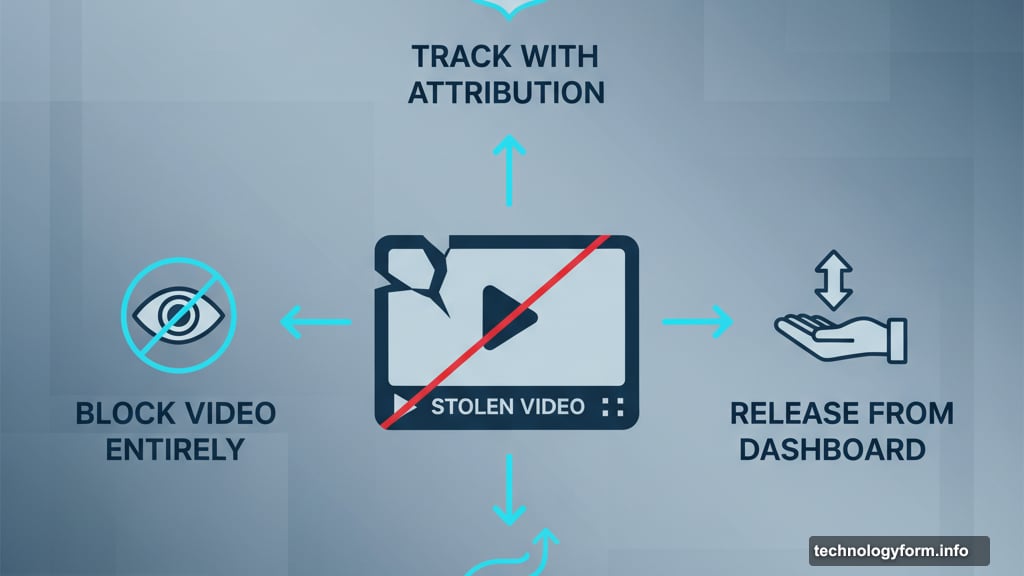
Meta offers three ways to handle stolen content. Each serves a different purpose depending on your goals.
First, you can track with attribution. This adds a label showing the video came from your account. The copycat’s post stays up, but viewers see your name as the original creator. Moreover, you’ll track view counts to see how the stolen version performs.
Second, you can block the video entirely. This removes it from public view so nobody can watch the copycat’s version. However, Meta won’t penalize the account that stole it. They just lose the stolen video.
Third, you can release it. This removes the video from your dashboard. Use this option when you don’t care about tracking a particular repost anymore.
The dashboard also shows whether someone’s monetizing your stolen content. That information helps you decide which action makes sense. If a big account is making money off your work, blocking probably feels right. But if a small fan account shared it without ads, tracking with attribution might suffice.
Limited Rollout Targets Monetized Creators
Content protection isn’t available to everyone yet. Meta started with creators already in their monetization program who meet “enhanced integrity and originality standards.”
What does that mean exactly? The company didn’t spell out specific requirements. But creators need proven track records of posting original content. Plus, they must already qualify for monetization programs.
Existing rights manager users also get access. That platform already offered similar protections but required using a separate tool outside the main Facebook app. Now those features live directly in the Facebook creator studio.
Other creators can apply for access starting now. But there’s no guarantee when approval comes through or what criteria Meta uses for decisions.
One Big Catch: Facebook Posts Only
Here’s the frustrating limitation. Content protection only monitors videos originally posted to Facebook.
So if you post a reel exclusively on Instagram, you’re out of luck. The system won’t track copies of that video even though it scans Instagram for stolen content. You must post the original to Facebook first.
That requirement seems arbitrary. Many creators focus primarily on Instagram these days. Forcing them to cross-post everything to Facebook just to get theft protection feels like an unnecessary hoop to jump through.
Moreover, the feature only covers reels. Standard videos don’t qualify yet. So creators who post longer content can’t use these tools at all.
Does This Actually Solve Content Theft?
Content protection helps but doesn’t fix the core problem. Tracking stolen videos beats manually searching for copycats. But theft still happens constantly.
The “track with attribution” option seems weak. Sure, you get credit. But the copycat still benefits from your work. They get engagement, followers, and potentially monetization while you just get a tiny label most viewers won’t notice.
Blocking works better for blatant theft. Yet Meta won’t penalize accounts that repeatedly steal content. So nothing stops the same person from lifting your next video tomorrow.
Real deterrence requires consequences. Without penalties for serial thieves, content protection just plays whack-a-mole with copycats. You’ll spend time blocking stolen videos instead of creating new ones.
Platform Incentives Work Against Creators
Social platforms profit when content spreads widely. They don’t particularly care who originally made it.
Viral videos drive engagement regardless of attribution. So platforms historically ignored theft because cracking down would reduce overall activity. Meta’s new tools represent progress but still prioritize platform growth over creator protection.
The Facebook-only requirement reveals those priorities. If Meta truly cared about protecting creators, content protection would work for Instagram-native posts too. Instead, it doubles as a strategy to drive more posting on Facebook.
Content theft won’t stop until platforms make stealing more painful than creating original work. Right now, the calculus still favors copycats. They face minimal consequences while gaining massive reach. Until that changes, stolen content remains the norm.