
ChatGPT Group Chats Just Launched. Here’s Why That Matters
OpenAI dropped group chats in ChatGPT this week. Not a test anymore. Available to everyone.
The feature lets you invite up to 20 people into a shared ChatGPT conversation. Plus, you can collaborate on prompts, react to messages, and work together inside the AI interface. But this rollout signals something bigger than team collaboration.
OpenAI is quietly building social features into its AI platform. And that should make Meta nervous.
From Japan Test to Global Launch
OpenAI tested group chats for about a week in four countries. Japan, New Zealand, South Korea, and Taiwan got early access. Now the company’s rolling it out worldwide.
The speed surprised me. Most tech companies test features for months. OpenAI went from regional pilot to global launch in days. That suggests either the testing went extremely well or the company feels pressure to move fast.
Either way, anyone with a ChatGPT account can now start group chats. Free users, Plus subscribers, and Pro members all get access. No tier restrictions. That’s unusual for OpenAI, which typically gates new features behind paid plans first.
How Group Chats Actually Work
Starting a group chat works like any messaging app. You create a conversation, then send invite links to people. They click the link and join, either with an existing ChatGPT account or by creating one on the spot.
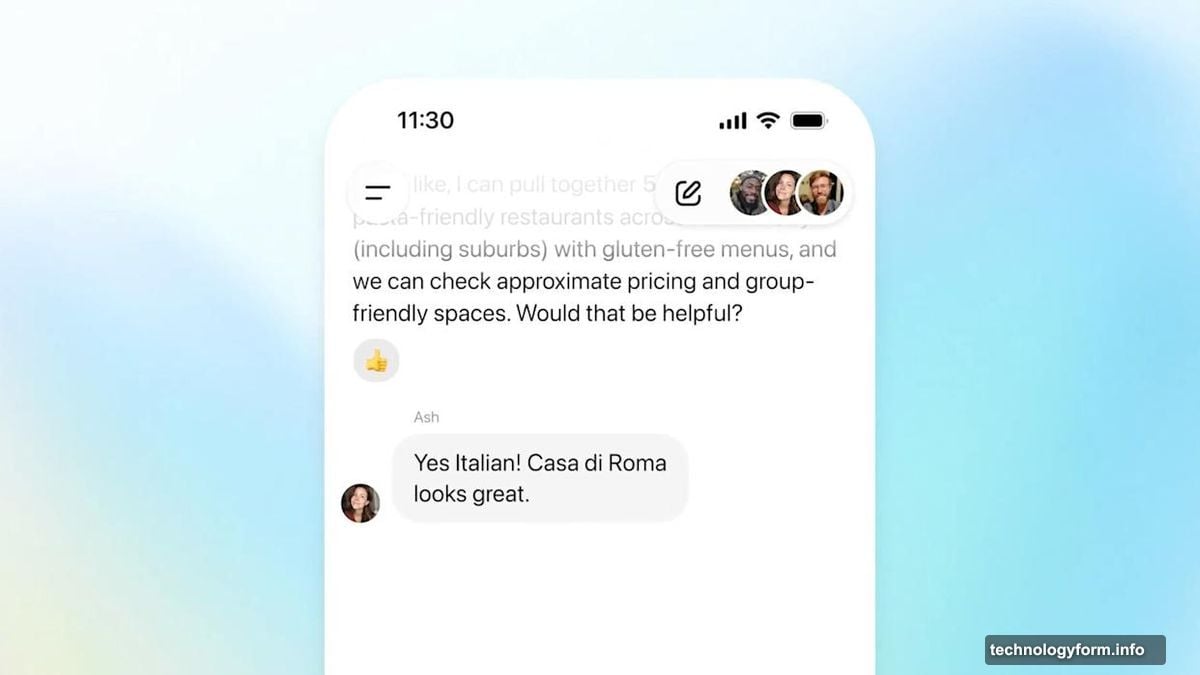
Inside the chat, everyone can prompt ChatGPT together. One person asks a question. Another builds on that response. A third person steers the conversation in a different direction. The AI responds to everyone in the shared thread.
You can also react to messages. Thumbs up helpful responses. Question mark confusing outputs. Standard social media interaction patterns inside an AI interface.
Here’s the interesting part. Anyone can remove anyone else from the chat except the creator. That’s a bold moderation choice. Most messaging apps restrict removal powers to admins or the person who created the group. OpenAI went with maximum flexibility and minimum hierarchy.
Privacy Choices That Reveal Strategy
OpenAI made two privacy decisions that tell you where this feature is headed.
First, group chat content doesn’t get stored in ChatGPT’s memory. That means the AI won’t learn from your group conversations or reference them later in private chats. Your brainstorming sessions stay isolated.
Second, the deliberately limited feature set. No threading. No file sharing shown yet. No rich media beyond what ChatGPT naturally outputs. Just prompts, responses, and reactions.
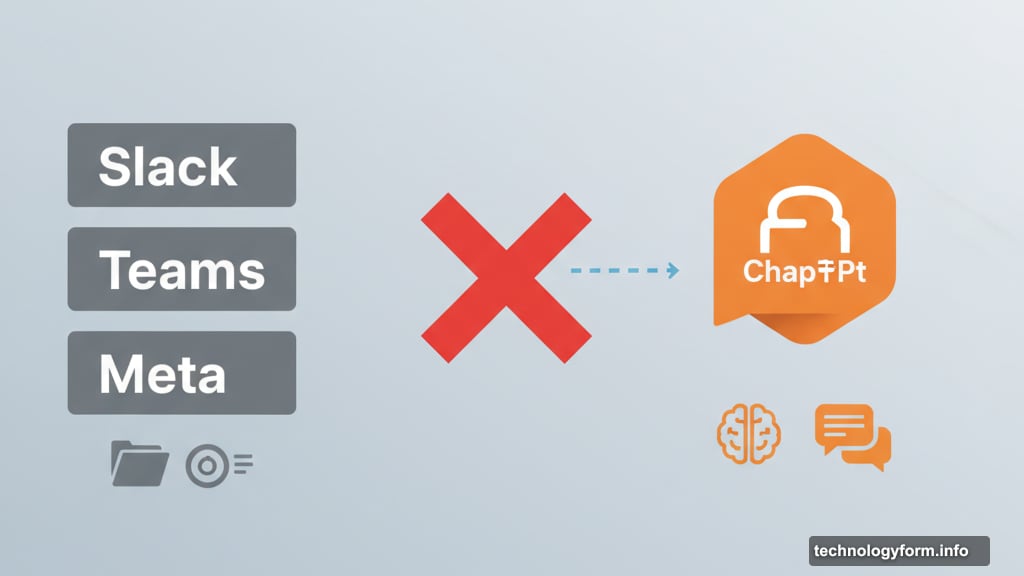
These constraints look like the foundation for something bigger. OpenAI isn’t trying to replace Slack or Teams with this initial version. They’re testing how people interact socially around AI, not through it.

Remember, OpenAI reportedly worked on a text-based social feed back in April. That X competitor never launched. But group chats give the company real data on social behavior inside their platform without building a full social network.
The Sora Connection Nobody’s Discussing
OpenAI launched the Sora app in September. Short-form video generation competing directly with TikTok’s format. Now they add group messaging competing with Meta’s approach in Instagram and Messenger.
See the pattern? OpenAI is systematically adding social features that keep users inside their ecosystem longer. You generate a video in Sora. Share it with friends in ChatGPT group chat. Collaborate on prompts together. All without leaving OpenAI’s platforms.
Meta’s been pushing AI chatbots into Instagram for months. Most people ignore them because Meta’s AI feels forced and unhelpful. But ChatGPT is already the AI that average users trust and prefer. Adding social features to the popular AI works better than adding AI to established social platforms.
That’s the strategic flip. And Meta should be worried.
Why This Launch Moves Fast Now
OpenAI’s aggressive rollout timeline suggests competitive pressure. Google just expanded Gemini’s features. Anthropic keeps improving Claude’s capabilities. Microsoft pushes Copilot everywhere.
But none of them nailed social AI interaction yet. OpenAI saw an opening and jumped through it. Group chats might seem like a small feature. They’re actually a land grab for collaborative AI usage patterns.
Plus, the feature drives account creation. Every invite link potentially converts a non-user into a ChatGPT account holder. That’s growth metrics OpenAI can show investors as they navigate post-Sam Altman drama and prepare for future funding rounds.
The company needs user growth that isn’t just passive consumers of AI outputs. Active participants in AI-mediated social interactions are more valuable. Group chats create exactly that kind of engagement.
What Comes Next for Social AI
OpenAI won’t stop at basic group chats. Expect file sharing soon. Probably threaded conversations. Maybe voice chat integration with their existing voice features.
The real question is whether they build a public feed or keep everything private. That April social network project might resurface as a way to share group chat outputs publicly. Or OpenAI might decide private collaboration is enough differentiation from Meta and X.
Either way, the line between AI tool and social platform is blurring fast. ChatGPT started as a chatbot. Now it’s becoming a place where groups of people hang out together, mediated by AI.
That’s a fundamentally different product than what launched two years ago. And it’s happening while most people still think of ChatGPT as just a question-answering tool. The gap between perception and reality is widening.
Keep an eye on how OpenAI evolves group chats over the next few months. Those updates will reveal whether the company is serious about challenging Meta’s social dominance or just adding collaboration features to an AI tool.
My bet? They’re building a social platform disguised as productivity software. And that’s exactly how you disrupt entrenched networks. Not by declaring you’re building a Twitter killer. By making people choose to spend time in your product for entirely different reasons.