OpenAI Just Lost Rights to “Cameo” Feature Name
A federal judge handed OpenAI a surprise defeat this week. The ChatGPT maker can’t use the word “cameo” in its video app anymore.
Cameo, the celebrity video message platform, won a temporary restraining order against OpenAI on Monday. Until December 22, OpenAI must stop using “cameo” or similar variations like “Kameo” and “CameoVideo” in Sora, its AI video creation tool. Plus, this could become permanent after a December 19 hearing.
The ruling marks a rare legal setback for OpenAI. Moreover, it highlights growing trademark tensions as AI companies rush to launch consumer features without checking if names are already taken.
Why OpenAI Needed the Name
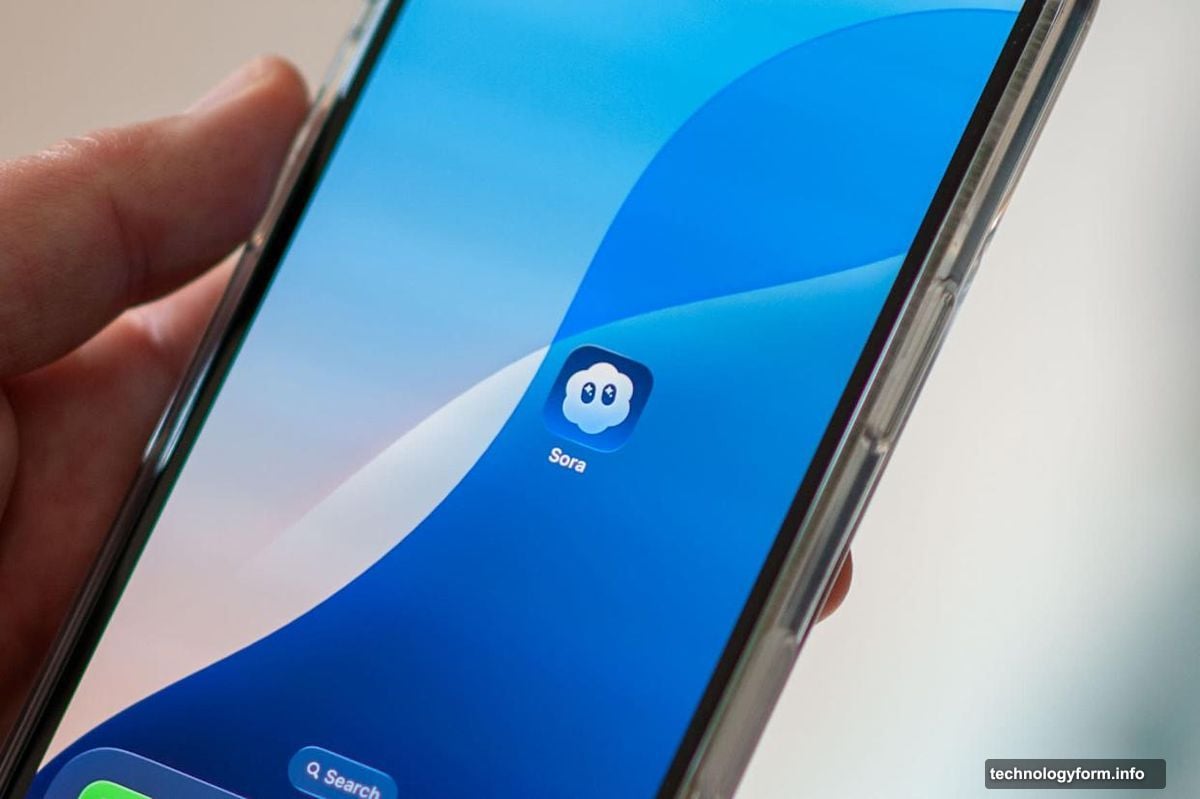
Sora’s cameo feature lets users upload their face to the app. Then other people can insert that likeness into AI-generated videos. Think of it as creating a digital clone others can drop into their content.
OpenAI likely chose “cameo” because it describes exactly what the feature does. In movies and TV, a cameo means a brief appearance by someone recognizable. So the name makes intuitive sense for this use case.
But here’s the problem. Cameo already built an entire business around that exact concept. Since 2016, the company has let fans buy personalized video messages from celebrities. The brand is well-established with millions of users.
Cameo Tried Playing Nice First
Cameo CEO Steven Galanis says his company attempted to resolve this quietly. They reached out to OpenAI before filing the October lawsuit. According to Galanis, OpenAI refused to budge on the name.
That forced Cameo to sue. The company argued OpenAI’s use would confuse consumers and dilute their trademark. Apparently, US District Judge Eumi K. Lee agreed enough to grant the temporary order.
“We are gratified by the court’s decision, which recognizes the need to protect consumers from the confusion that OpenAI has created,” Galanis told CNBC. He hopes OpenAI will now agree to stop using the mark permanently.
OpenAI Pushes Back Hard

OpenAI isn’t accepting defeat quietly. A company spokesperson pushed back against the entire premise of Cameo’s case.
“We disagree with the complaint’s assertion that anyone can claim exclusive ownership over the word ‘cameo,'” the spokesperson told Engadget. They plan to continue arguing their position in court.
This defense strategy is interesting. OpenAI seems to be claiming “cameo” is too generic to trademark in this context. After all, the word existed long before the app company adopted it.
However, courts often protect brand names even when they use common words. Think “Apple” for computers or “Amazon” for e-commerce. The question becomes whether consumers associate the specific word with the specific company.
What Happens Next
The December 19 hearing will determine if this ban becomes permanent. Judge Lee will hear arguments from both sides about whether OpenAI can continue using the name.
If the injunction becomes permanent, OpenAI faces an awkward rebrand. They’ll need to rename the feature and update all their documentation. Plus, they’ll have to reeducate users who already know it as “cameo.”
Alternatively, OpenAI could settle with Cameo. Perhaps they’ll license the name or pay damages. But given OpenAI’s defiant response, a settlement seems unlikely right now.
The Bigger Picture for AI Companies
This case reveals how fast-moving AI companies sometimes skip basic trademark research. OpenAI launched Sora with the cameo feature despite an obvious name conflict with an established brand.
That rushing creates legal headaches. It also wastes resources on rebrands and court battles. Other AI startups should take note before launching features with generic-sounding names.
Meanwhile, traditional tech companies probably see this as validation. They’ve been complaining that AI companies operate without proper regard for existing intellectual property. This ruling suggests courts will hold AI firms to the same standards as everyone else.
The December hearing will show whether judges view “cameo” as protectable in this context. That decision could influence how aggressively companies defend common words used as brand names across the tech industry.