Grammarly Just Rebranded to Superhuman. Yes, Really.
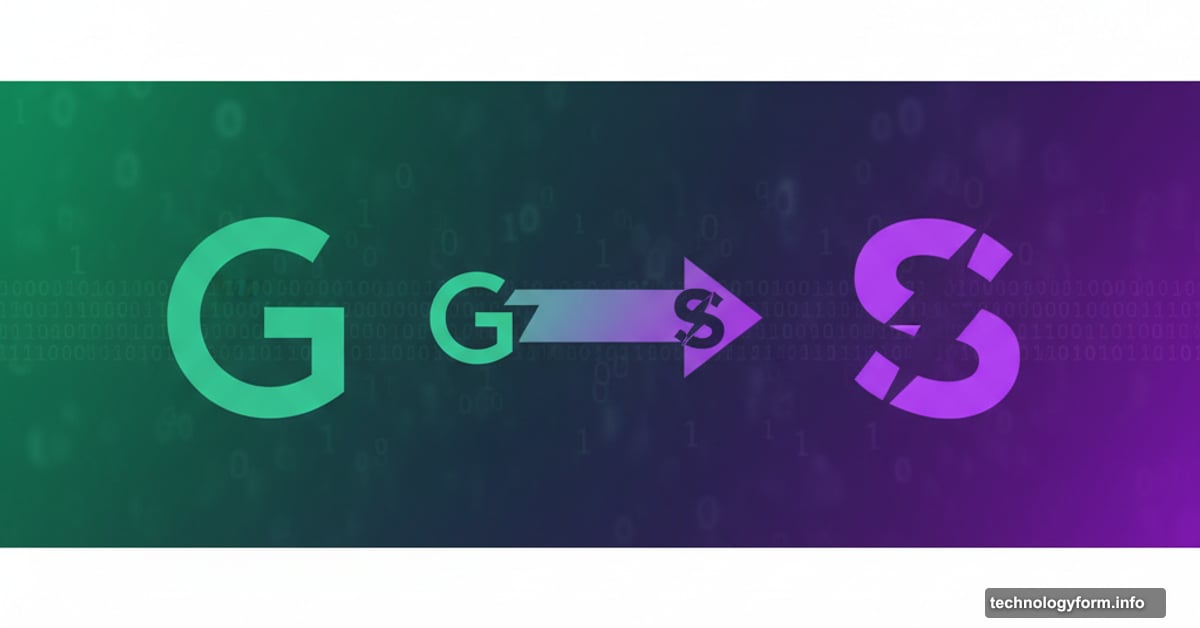
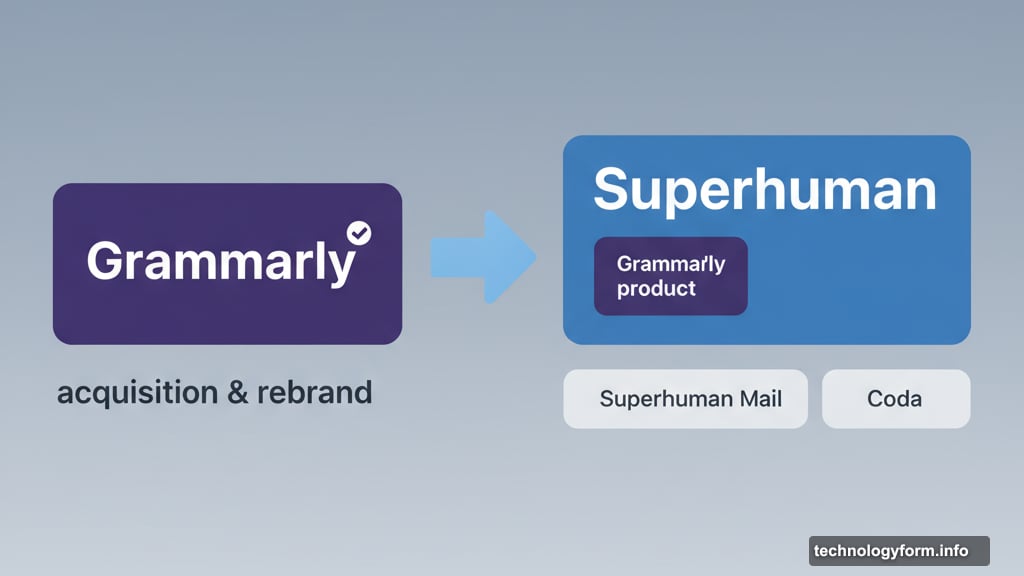
In a move that flips typical acquisition logic on its head, Grammarly isn’t absorbing Superhuman’s brand. Instead, it’s becoming Superhuman itself.
Most companies buy smaller players and erase their names from existence. But Grammarly acquired Superhuman’s email client in July and decided the startup’s name deserved top billing. So the entire company is now called Superhuman. Yet Grammarly the product keeps its familiar name.
Confused? You’re not alone.
What Actually Changed
The corporate entity formerly known as Grammarly is now Superhuman. But your Grammarly extension still says “Grammarly” on it. Nothing changes for existing users on that front.
However, the company did acquire productivity platform Coda last year. And they’re considering rebranding those products down the line. So this isn’t just a one-time name swap. It signals a bigger transformation ahead.
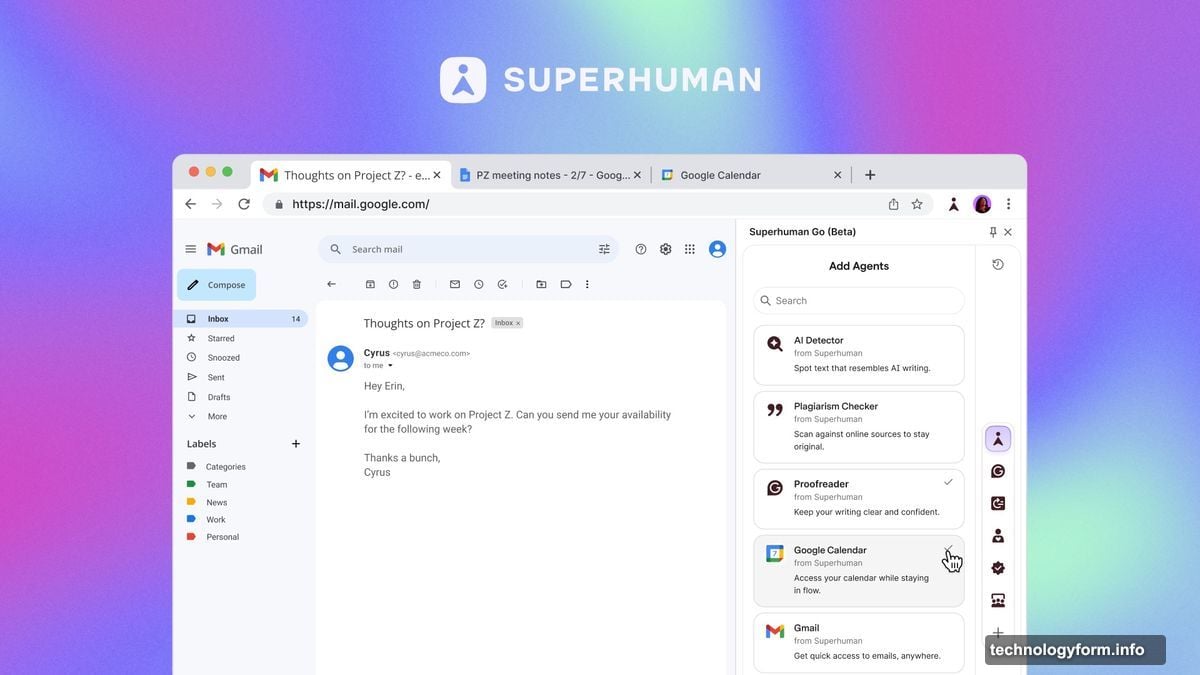
Plus, they launched something new alongside the rebrand. An AI assistant called Superhuman Go now lives inside the Grammarly extension. It does more than catch typos.
Superhuman Go Wants to Replace Your Assistant
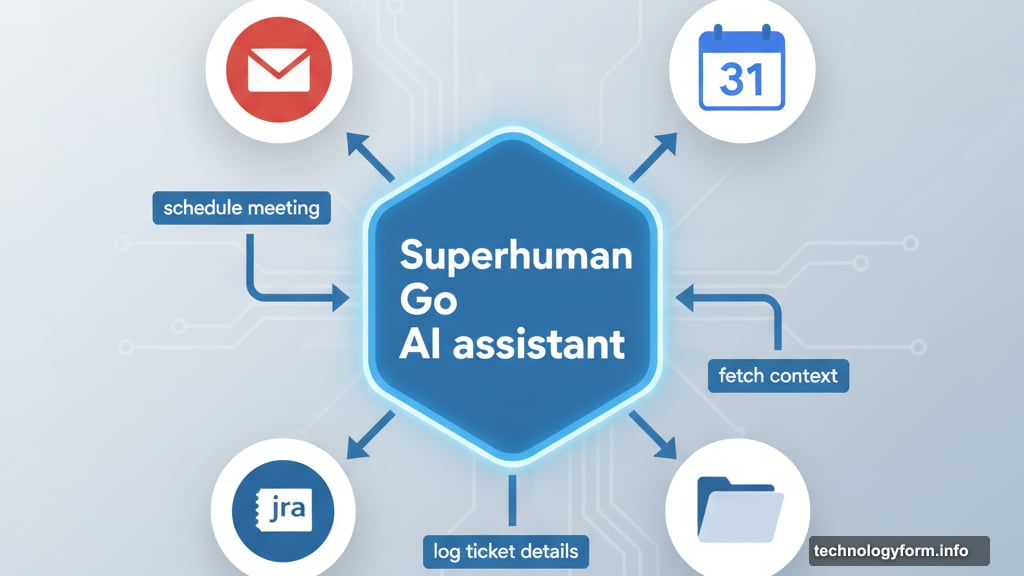
This isn’t your standard grammar checker with AI bolted on. Superhuman Go connects to your actual work tools.
Link it to Gmail, Google Calendar, Jira, or Google Drive. Then it uses that context to do real work. Need to schedule a meeting? It checks your calendar and suggests times. Working on a support ticket? It can log details in Jira without you switching tabs.
The assistant also provides writing feedback and suggestions. But the real power comes from those app connections. It knows what you’re working on because it sees your emails, calendar, and documents.
That’s either incredibly useful or mildly terrifying depending on your privacy comfort level.
More AI Features Coming Soon
Superhuman plans to expand the assistant’s capabilities further. Future updates will let it pull data from CRMs and internal company systems.
Imagine drafting an email to a client. The assistant automatically fetches their purchase history and recent support tickets. Then it suggests specific details to include in your message. No more digging through systems to find context.
They’re also building an “agent store” where users can grab specialized tools. A plagiarism checker launched in August. A proofreader too. More agents are coming.
Meanwhile, Coda documents and Superhuman email clients will get similar AI integration. The goal is having AI automatically fetch relevant details and insert them into drafts.
Pricing and Plans
Everyone with a Grammarly account can try Superhuman Go right now. Just flip a toggle in the extension and start connecting apps.
But the company is also selling premium bundles. The Pro plan costs $12 monthly when billed annually. That gets you grammar and tone support in multiple languages.
The Business plan runs $33 per month on annual billing. It includes access to Superhuman Mail along with the AI features.
Those prices aren’t cheap compared to basic Grammarly. But they’re positioning against full productivity suites now, not just grammar tools.
The Real Strategy Here
This rebrand isn’t about vanity. It’s about competition.
Grammarly spent years known as “that grammar checker extension.” Now it wants to be a full productivity platform. Notion, ClickUp, and Google Workspace all launched AI features in recent years. Superhuman is trying to catch up.
By renaming the parent company, they’re signaling ambition beyond writing tools. They acquired Coda. They bought Superhuman email. They’re building AI assistants. The old Grammarly brand felt too narrow for that vision.
But here’s the risky part. Most people still think of Grammarly as just grammar checking. Convincing them it’s now a full productivity suite requires more than a name change. The products have to deliver.
Why This Matters
The productivity software space is getting crowded. Every company is adding AI features and expanding their offerings.
Superhuman is betting that tight integration matters more than individual feature depth. Their AI assistant connects your calendar, email, documents, and project tools. That unified view could provide real value if executed well.
Yet plenty of companies tried building “everything apps” before. Most failed because they couldn’t do any one thing exceptionally well. Superhuman’s challenge is maintaining Grammarly’s core writing quality while expanding into new territory.
The rebrand shows ambition. Whether the products can deliver on that ambition remains to be seen. But at least they’re thinking bigger than just fixing your comma splices.