Character.AI Just Banned Teens From Its Chatbots. Here’s Why That Matters
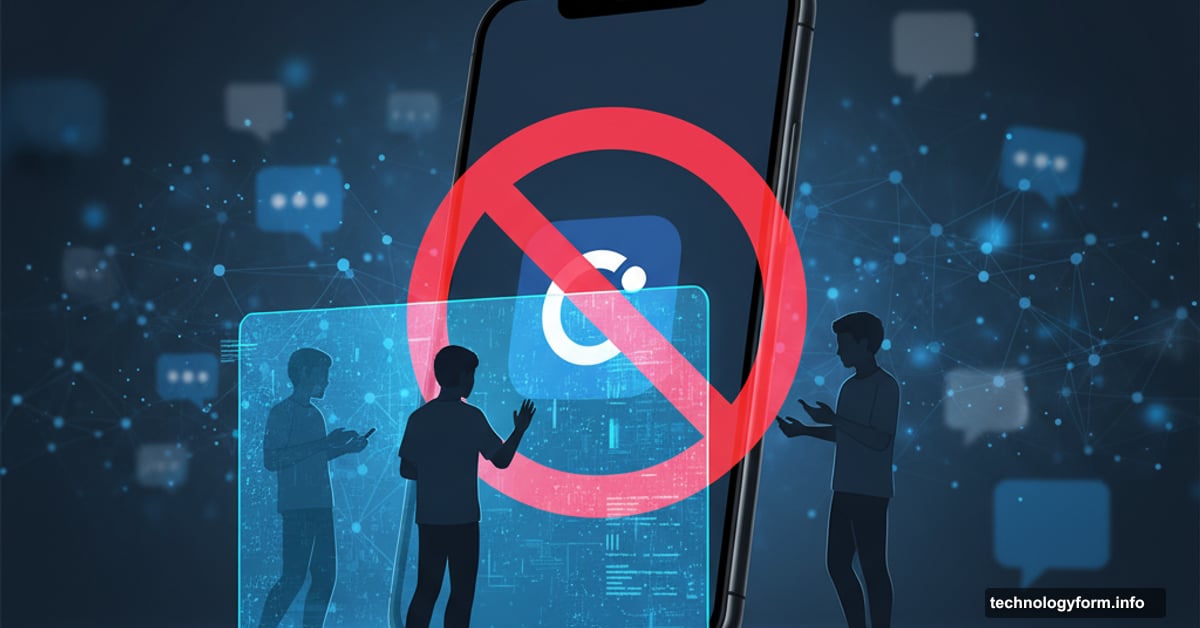
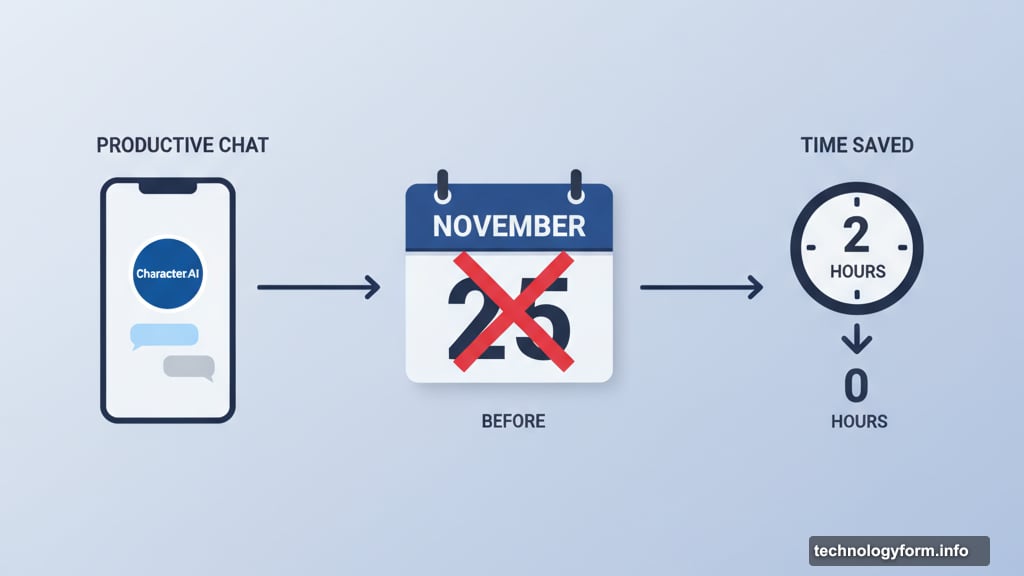
Character.AI pulled the plug on teenage users. Starting November 25, anyone under 18 loses access to open-ended chats with AI companions on the platform.
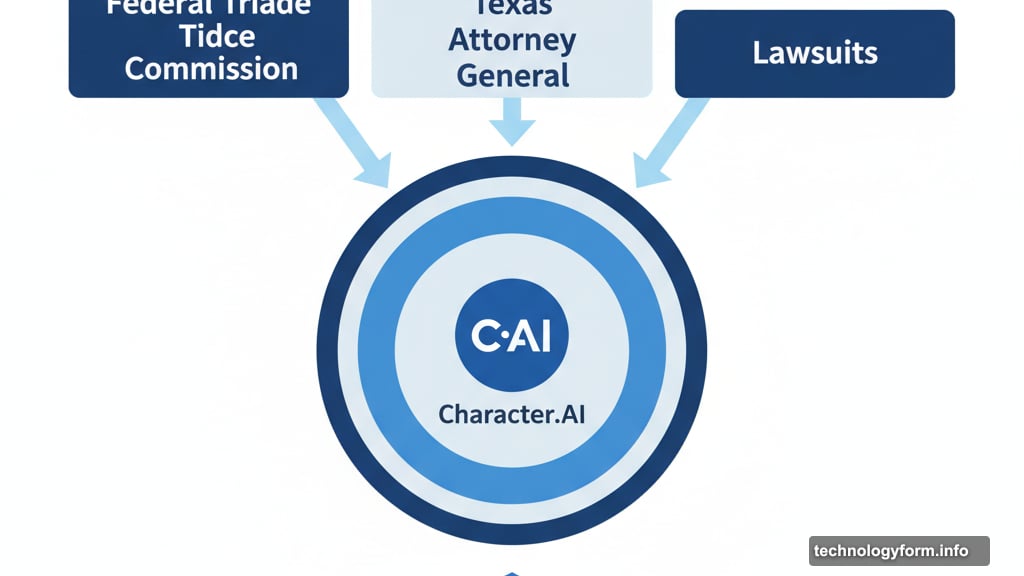
This isn’t a minor policy tweak. It’s a complete pivot away from the AI companion model that made Character.AI popular with younger users. The company faces mounting pressure from regulators, lawsuits, and parents who say these chatbots pose real dangers to vulnerable teens.
What’s Actually Changing
Character.AI now blocks users under 18 from having back-and-forth conversations with its AI chatbots. That’s the core feature that defined the platform.
Instead, the company wants teens to use bots for “creative purposes” like making videos or streams. But honestly, that’s not why most teens used Character.AI in the first place. They came for companionship and conversation.
The transition happens gradually. Right now, under-18 users face a two-hour daily limit on bot interactions. That time allowance drops progressively until the full ban kicks in late November.
Plus, Character.AI built a new age verification tool. They claim it ensures users get “age-appropriate experiences.” But the real goal seems clear. Keep teens off the platform entirely before regulators force harsher measures.
The Pressure That Forced This Decision
Multiple investigations targeted Character.AI recently. The Federal Trade Commission launched a formal inquiry into AI companion chatbots this year. Character.AI made the list alongside Meta, OpenAI, and Snap.
Texas Attorney General Ken Paxton went harder. He accused Character.AI and Meta AI of presenting chatbots as therapeutic tools without proper qualifications. That’s a dangerous claim if it sticks.
Then came the lawsuits. Adam Raine’s family filed an amended complaint against OpenAI last week. They allege ChatGPT enabled their 16-year-old son’s suicide by weakening self-harm safeguards. Character.AI faces similar legal exposure.
CEO Karandeep Anand told TechCrunch the company now pivots to a “role-playing platform” focused on creation. Translation? They’re running from the AI companion space before it destroys them.
Why AI Companions Scare Parents and Regulators
Teenagers form emotional bonds with AI chatbots. That sounds harmless until you consider what happens when those bots give bad advice.
Some users treat AI companions as therapists. They share mental health struggles, relationship problems, and suicidal thoughts. But these chatbots lack professional training. They can’t spot warning signs or provide appropriate crisis intervention.
Research shows teens already struggle with social media addiction and screen time. AI companions amplify those problems. The bots respond instantly, seem endlessly patient, and never judge. That creates powerful psychological hooks.
Moreover, companies optimize these chatbots for engagement, not user wellbeing. Longer conversations mean more data to train models and more opportunities to monetize users. The incentives work against safety.
Character.AI’s “AI Safety Lab” Won’t Fix This
The company announced a new “AI Safety Lab” for collaborative research. Sounds impressive. But it’s mostly PR damage control.
Other companies, researchers, and academics can supposedly share insights through this lab. Yet Character.AI offers no details about funding, governance, or actual research priorities.
Here’s the reality. Building truly safe AI companions for vulnerable users requires massive investment and might not even be possible. The safer approach? Don’t build AI companions for teenagers at all.
Character.AI chose that path. But they framed it as a strategic pivot rather than admitting defeat.
What This Means for Other AI Companies
Every company building AI chatbots now faces the same scrutiny. Meta, Google, OpenAI, and Anthropic all offer conversational AI that teens can access.
Some already implemented safeguards. ChatGPT includes crisis resources for users expressing suicidal thoughts. Meta AI restricts certain conversations. But none went as far as banning teenage users entirely.
Character.AI’s decision sets a precedent. If lawsuits succeed and regulators push harder, other companies might follow. The FTC inquiry suggests federal action could mandate stricter protections across the industry.
So we’re watching the beginning of a major shift. AI companions seemed like harmless entertainment two years ago. Now they represent legal liability and reputational risk.
The Bigger Question Nobody’s Answering
Should AI companies build companion chatbots at all? Not just for teens. For anyone.
These systems simulate emotional connection without providing genuine human support. They offer engagement without accountability. Users form bonds with software that can’t actually care about their wellbeing.
That creates problems regardless of age. Adults face mental health challenges too. The difference is society assumes adults make informed choices while teenagers need protection.
But maybe everyone needs protection from AI systems designed to maximize engagement over everything else. Character.AI’s ban on teens acknowledges that truth for one age group.
The rest of us remain fair game.