The Times and Tribune Are Suing Perplexity. This Could Change AI Forever
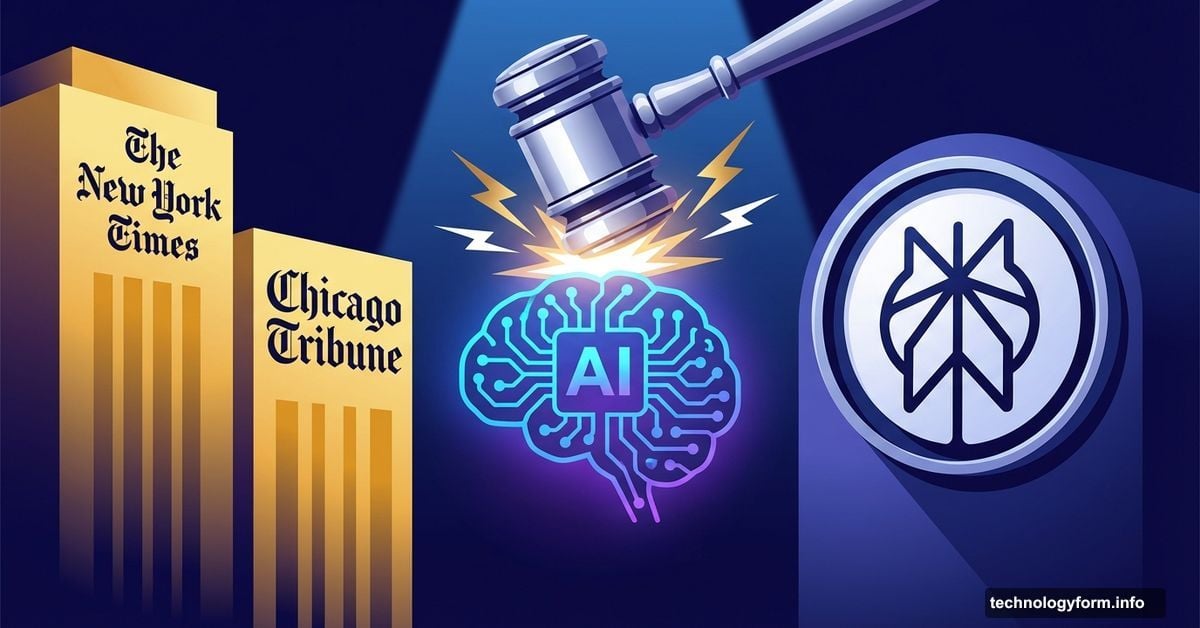
Two major newspapers just declared war on Perplexity AI. The New York Times and Chicago Tribune both filed lawsuits this week. Their claim? Perplexity stole millions of articles to build its AI products.
This isn’t just another copyright spat. The lawsuits reveal how AI companies scrape content in real time and reproduce articles word-for-word. Plus, they expose a bigger problem: AI chatbots falsely attributing made-up information to trusted news sources.
The stakes are massive. These cases could determine whether AI companies can freely train on copyrighted content or must pay billions in licensing fees.
Perplexity Ignored Repeated Warnings
The Times didn’t sue immediately. Instead, it sent multiple cease-and-desist letters asking Perplexity to stop using its content. The AI company kept scraping anyway.
That’s a bold move. Most companies pause operations when major newspapers threaten legal action. But Perplexity apparently decided the risk was worth it.
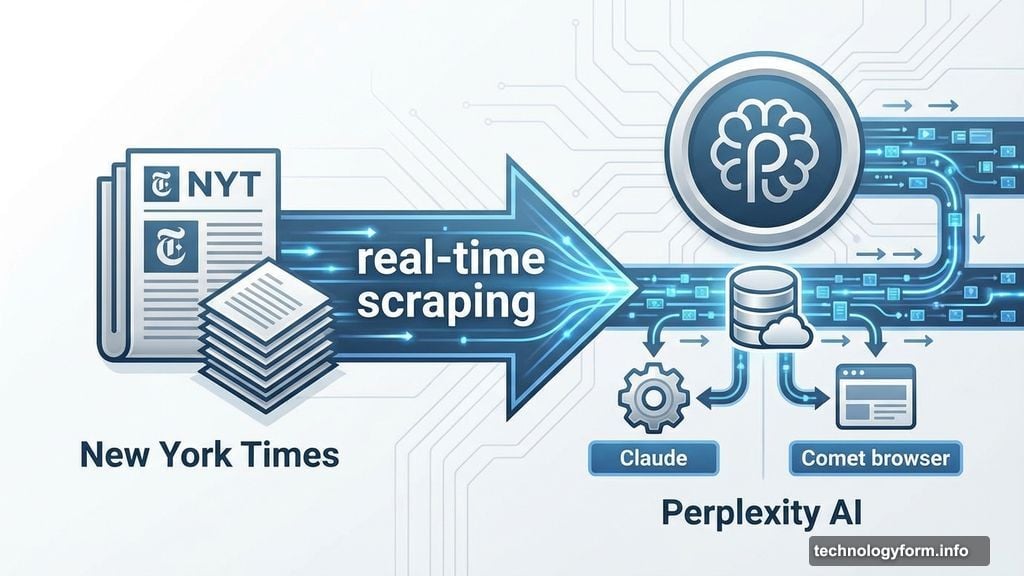
Now the Times is hitting back hard. The lawsuit accuses Perplexity of copyright infringement at two critical stages. First, by scraping the Times website to train AI models like Claude and feed content into tools like the Comet browser. Second, by reproducing Times articles verbatim in Perplexity’s output.
Here’s what makes it worse. The Times claims Perplexity scrapes content in real time. That means the AI company isn’t just using old archived articles. It’s actively pulling fresh content as the Times publishes it.
Hallucinations Damage Media Brand Trust
Copying articles is bad enough. But the Times lawsuit highlights an even more troubling issue.
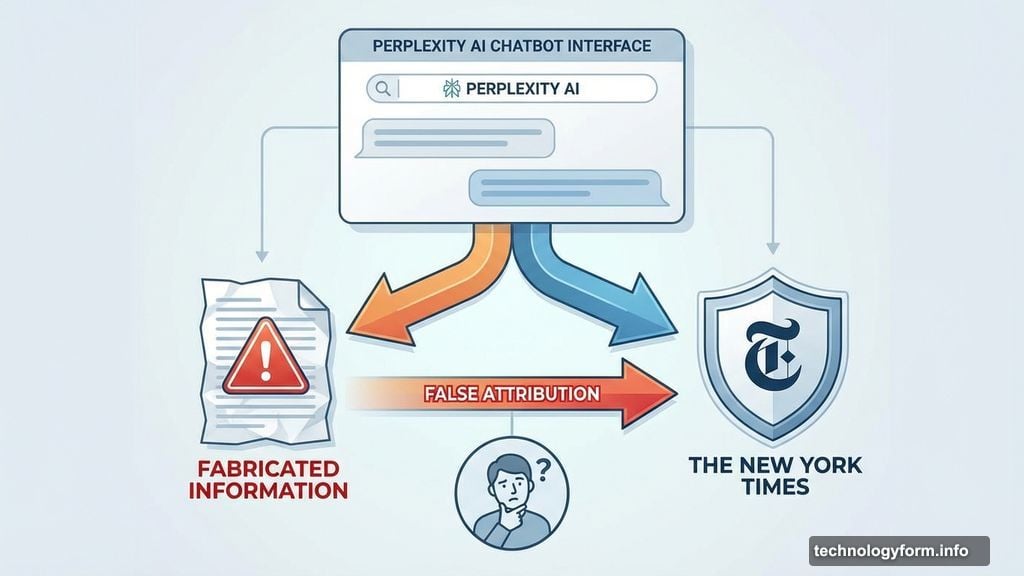
Perplexity’s AI sometimes fabricates information and attributes it to the New York Times. These false attributions damage the newspaper’s reputation. Readers might see completely made-up “facts” labeled as Times reporting.
Think about that. An AI tool tells users that the New York Times reported something it never actually published. That erodes trust in one of the world’s most respected news brands.
The Times takes accuracy seriously. It employs fact-checkers, editors, and standards departments to verify every claim. So when an AI chatbot slaps the Times name on hallucinated nonsense, it undermines decades of credibility-building.
Moreover, readers can’t easily distinguish between real Times content and AI-generated fiction. They see the New York Times attribution and assume it’s legitimate journalism. That’s brand damage at scale.
Chicago Tribune Makes Similar Claims
The Chicago Tribune filed its own lawsuit the same day. The allegations mirror the Times complaint almost exactly.
The Tribune claims Perplexity copied millions of its stories, videos, images, and other works without permission. Then it used that stolen content to power its AI products and tools.
Plus, the Tribune says Perplexity’s outputs are “identical or substantially similar” to original Tribune content. That’s copyright infringement by any reasonable definition.
Two major newspapers filing separate lawsuits on the same day sends a message. This isn’t just one media company being difficult. It’s an industry-wide pushback against unauthorized AI scraping.
Other publishers are likely watching these cases closely. If the Times and Tribune win, expect dozens more lawsuits against AI companies that scraped content without permission.
The AI Copyright War Just Escalated
These lawsuits join dozens of similar cases already in progress. The Times previously sued OpenAI and Microsoft for training language models on millions of articles without permission. That case is still ongoing.
But the legal landscape isn’t entirely hostile. Some copyright holders struck licensing deals with AI companies instead of suing.
OpenAI signed agreements with multiple media companies to legally access their content. Amazon and the Times reached a deal reportedly worth $25 million per year. That’s serious money flowing from tech giants to content creators.
So why didn’t Perplexity negotiate a similar arrangement? Hard to say. Maybe they thought they could avoid paying. Maybe they believed their scraping fell under fair use. Maybe they just moved fast and hoped to deal with consequences later.
Whatever the reasoning, it backfired. Now Perplexity faces expensive litigation from two powerful media companies with deep pockets and strong legal teams.
What This Means for AI Development
These lawsuits raise fundamental questions about AI training data. Can companies scrape any public content to train models? Or do they need permission from copyright holders?
The answer will shape the entire AI industry. If courts rule that scraping copyrighted content requires licensing, AI companies face massive costs. They’d need to negotiate deals with thousands of publishers, photographers, artists, and writers.
That could slow AI development significantly. Or it could consolidate the industry around a few wealthy companies that can afford licensing fees. Smaller AI startups might struggle to compete.
On the other hand, if courts allow free scraping under fair use, media companies lose a potential revenue stream. They’ve already seen traffic decline as AI chatbots answer questions directly instead of sending users to publisher websites.
The economic stakes are enormous. Media companies need new revenue as advertising and subscription models struggle. AI companies need training data to improve their products. Someone’s business model is about to take a hit.
Perplexity Built Success on Scraped Content
Perplexity positioned itself as a smarter alternative to Google search. Instead of showing ten blue links, it provides direct answers sourced from multiple websites.
That value proposition depends entirely on accessing content from publishers. Without the ability to scrape and summarize articles, Perplexity’s product wouldn’t work.
So the company has strong incentives to defend its scraping practices. Paying licensing fees to every publisher it sources from could destroy its business model.
But publishers have equally strong incentives to fight back. They invest resources creating content, then AI companies profit by giving it away for free. That’s not sustainable.
This conflict was inevitable. AI companies built products that depend on freely accessing copyrighted content. Copyright holders eventually noticed and demanded compensation. Now courts will decide who wins.
The Outcome Will Set Industry Precedent
Watch these lawsuits closely. The decisions will affect every AI company that trains models on web content.
If the Times and Tribune prevail, expect industry-wide changes. AI companies will need to audit their training data, remove copyrighted content, or negotiate licensing agreements. That’s expensive and time-consuming.
If Perplexity wins, publishers might need new strategies to protect their content. Technical measures like blocking AI crawlers. Legal lobbying for stronger copyright protections. Or accepting that AI companies can freely use their work.
Neither outcome is great for consumers. Restricted training data might produce worse AI products. But unchecked scraping could destroy the economic models that fund quality journalism and creative work.
This isn’t just about Perplexity, the Times, or the Tribune. It’s about defining the rules for how AI companies and content creators coexist. Those rules don’t exist yet. These lawsuits will help write them.
The next few months will reveal whether AI companies can keep building on freely scraped content or must pay for the privilege. Either way, the AI industry is about to change dramatically.