ChatGPT Free Might Start Showing Ads. Here’s What We Found
OpenAI keeps saying they hate ads. But new code tells a different story.
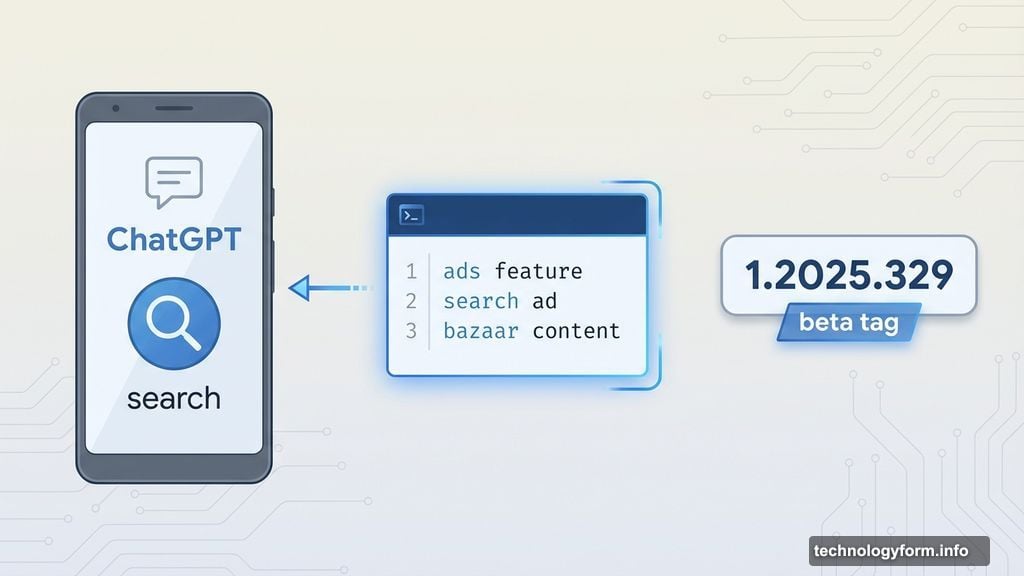
Buried inside ChatGPT’s Android beta, developers just discovered something revealing. Multiple references to advertising features. Not vague hints. Explicit code mentioning “ads feature,” “search ad,” and “bazaar content.”
So much for that ad-free paradise.
The Code That Gave It Away
Developer Tibor Blaho spotted the telltale signs first. He was digging through version 1.2025.329 of ChatGPT’s Android beta when he found the smoking gun.
Now, beta versions don’t always reflect final products. Sometimes companies test features they never launch. But this feels different. The code isn’t experimental. It’s structured like something ready to deploy.
Plus, OpenAI has been dancing around this question for months. Sam Altman keeps giving answers that sound like “no” but leave the door wide open. That’s usually how companies prepare users for bad news they don’t want to deliver directly.
What Sam Altman Actually Said
Remember when Altman called ads “uniquely unsettling”? That was at Harvard Business School last year. He positioned advertising as a “last resort” business model for OpenAI.
Sounds reassuring, right? Except he added one crucial qualifier. He’s “not totally against them.”
That’s corporate speak for “we’re definitely considering this.” When a CEO won’t say an absolute no, assume they’re already planning yes.
Later, on OpenAI’s own podcast, Altman doubled down on the ambiguity. The company hasn’t figured out the exact method yet. But they’re clearly thinking about it. A lot.
Meanwhile, The Information reported earlier this month that OpenAI was exploring ads based on user memory and chat history. That’s not speculation anymore. That’s reporting from sources inside the company.
Where Ads Might Actually Appear
The discovered code doesn’t specify exact placement. But let’s connect some obvious dots.
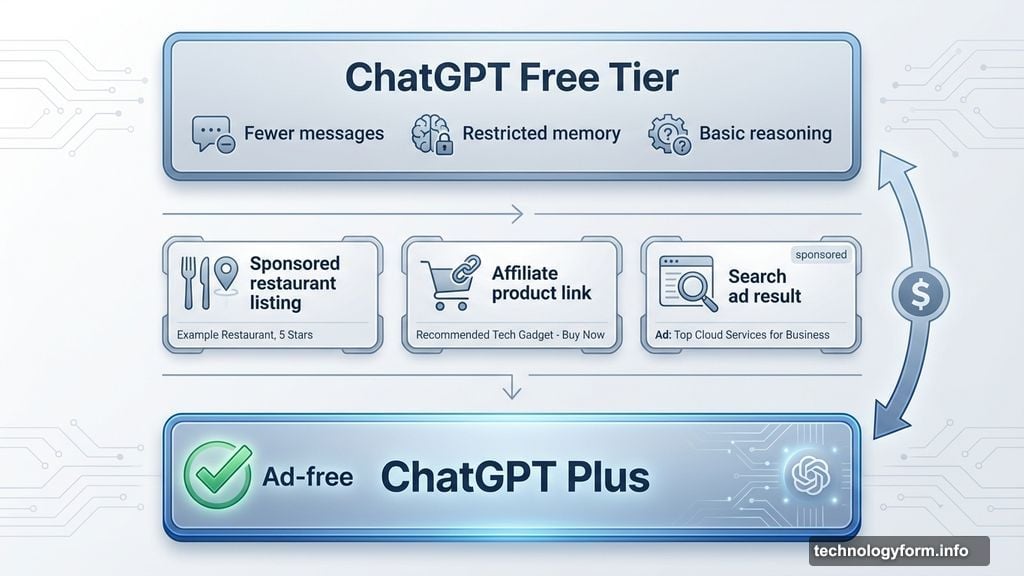
ChatGPT’s free tier already has limits. Fewer messages per hour. Restricted memory. Basic reasoning capabilities compared to paid tiers. So free users are already getting a compromised experience.
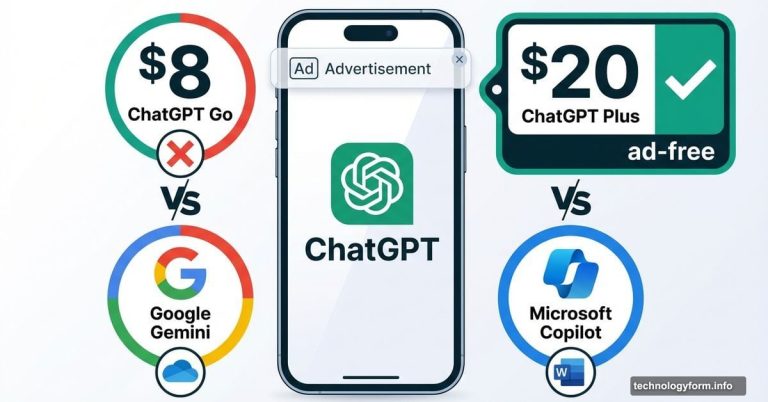
Adding ads to that tier makes twisted sense. OpenAI can claim they’re keeping a free option available. Just with “light advertising support.” Users who want the premium experience can still pay for ChatGPT Plus.
Search results seem like the obvious target. That “search ad” reference in the code? Google built a $200 billion business on search advertising. OpenAI sees that money and wants a piece.
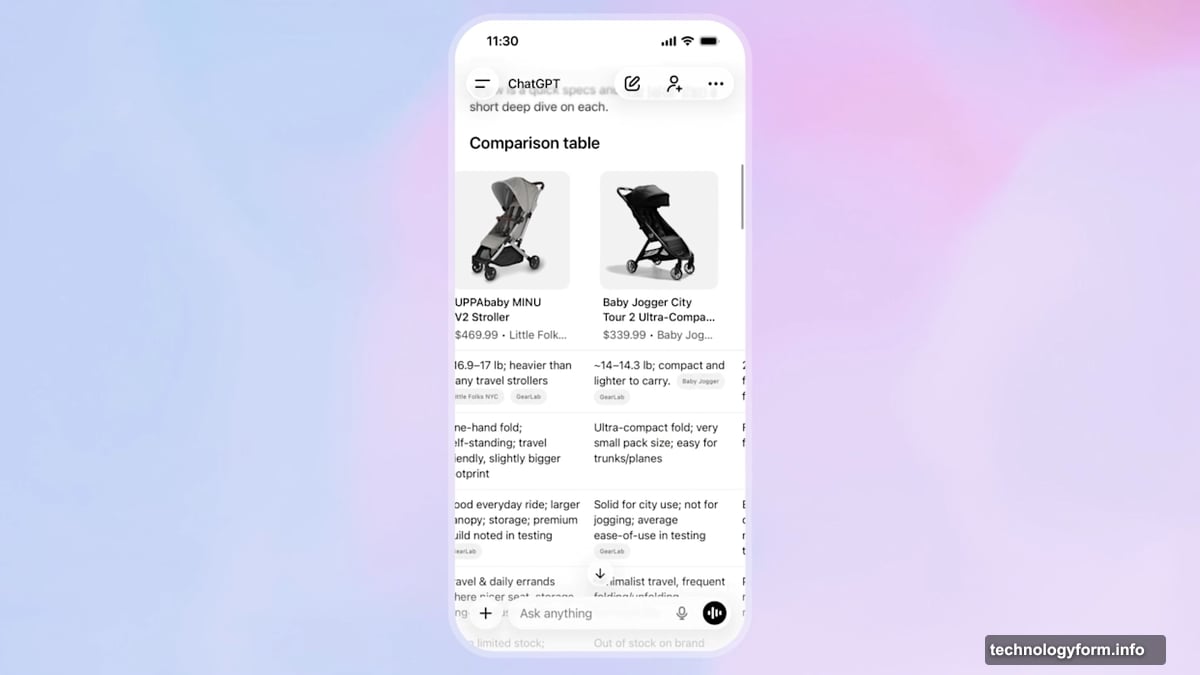
Imagine asking ChatGPT for restaurant recommendations. Before showing organic results, it displays three sponsored listings. Or requesting product comparisons and getting affiliate-linked suggestions first.
The Revenue Problem OpenAI Won’t Talk About
Here’s what nobody at OpenAI wants to admit publicly. AI is stupidly expensive to run.
Every ChatGPT conversation costs OpenAI money. Serious money. Training models costs hundreds of millions. Running inference at scale costs millions more monthly. Those free tier users? They’re not just unprofitable. They’re actively draining cash.
So OpenAI faces a choice. Keep losing money on free users. Or find a way to monetize them without scaring everyone away.
Ads solve that problem. Not elegantly. Not ideally. But effectively. Facebook, Google, and Twitter all made the same calculation years ago. Free products need revenue. Advertising provides revenue. Simple math.
Sam Altman can talk about ads being “unsettling” all he wants. But when your company burns cash faster than a bonfire, principles become flexible.
What This Means for You
If ads come to ChatGPT’s free tier, expect changes fast.
First, the ad experience will start subtle. A sponsored suggestion here. A promoted link there. OpenAI will call it “relevant recommendations” and promise it enhances your experience.
Then, slowly, ads will become more prominent. Because that’s how this always works. Companies introduce advertising gently. Users complain but adapt. Then companies push harder because users already accepted the principle.
Your chat history becomes the product. Every question you ask teaches the ad system your interests. Every conversation reveals your preferences. That data gets packaged and sold to advertisers who want to reach you.
Plus, ChatGPT’s ability to generate personalized responses makes it perfect for native advertising. The line between helpful answer and paid promotion gets blurry fast. You might not even notice when ChatGPT starts steering you toward sponsored products.
The Uncomfortable Truth Nobody Wants
OpenAI positioned itself as different from Big Tech. More ethical. More focused on benefiting humanity. Less obsessed with profit.
But here they are, following the exact same playbook. Build a massive user base with free access. Get people dependent on your product. Then introduce ads once switching costs are high enough.
It’s not evil. It’s just capitalism. But it does expose the gap between OpenAI’s stated values and actual business decisions.
The truly free ride was never sustainable. We all knew that. But watching OpenAI slowly admit it through leaked code and careful non-denials feels different than hearing them say it directly.
Your move, Sam. Either kill these ad plans and prove skeptics wrong. Or launch them and stop pretending OpenAI operates differently than everyone else.
The code suggests you’ve already made your choice.