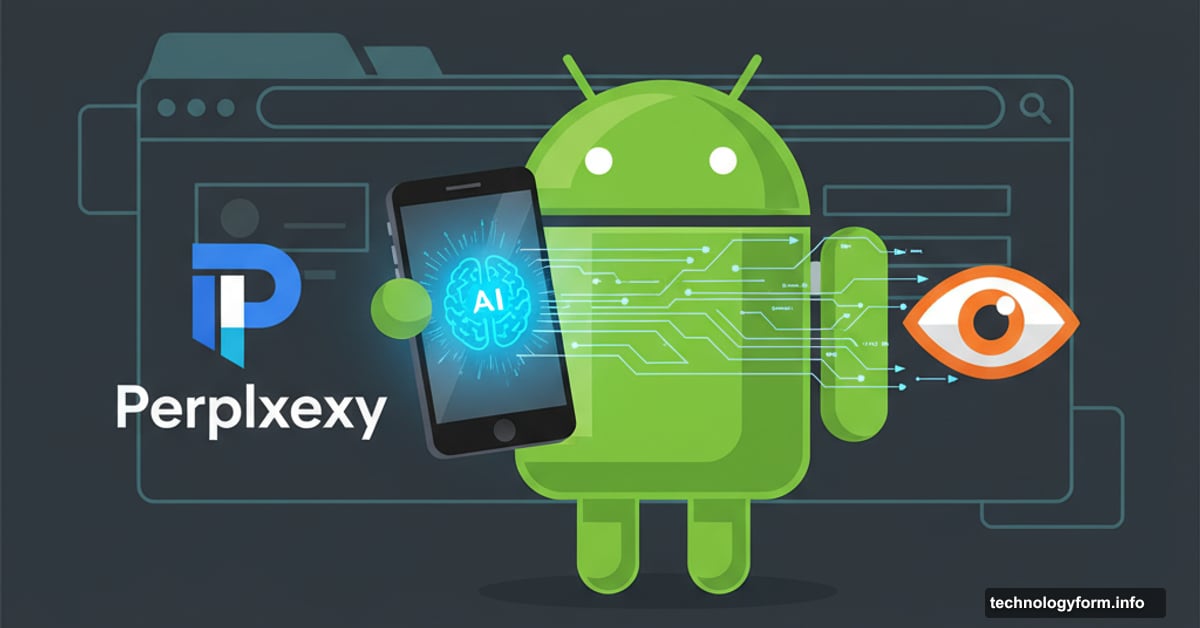
Perplexity’s AI Browser Just Hit Android. Here’s What That Means for Search
Perplexity expanded Comet to Android this week. The AI-powered browser now reaches millions more users who want artificial intelligence baked directly into their web experience.
This matters because Comet represents a fundamental shift in how browsers work. Instead of just displaying websites, it actively summarizes content and answers questions. Plus, it’s completely free on Android after starting as a $200-per-month exclusive feature.
But there’s a catch. Perplexity openly admits it’s collecting your browsing data to sell targeted ads. So while you get AI assistance, the company gets valuable insights into your online behavior.
What Comet Actually Does
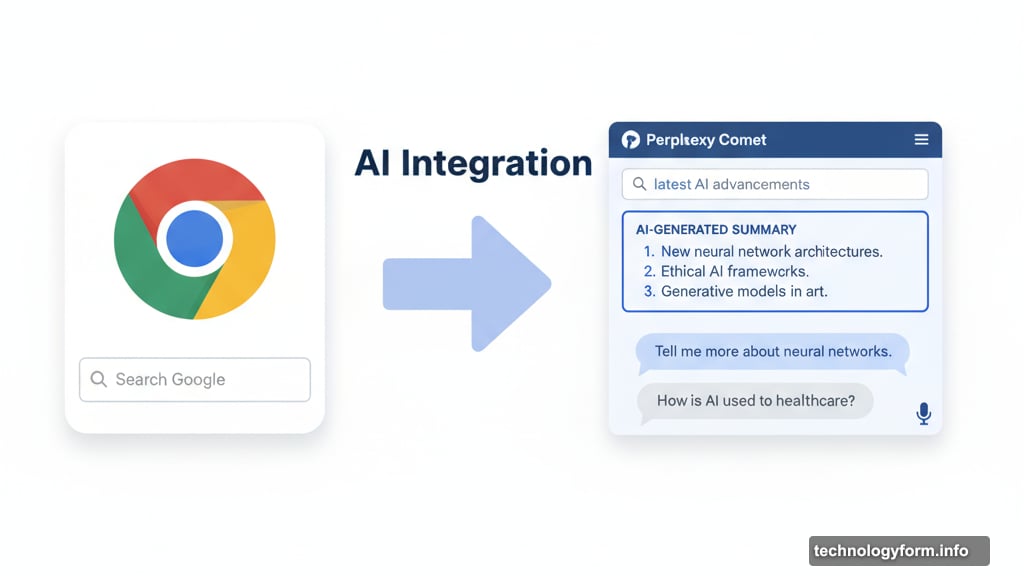
Comet isn’t just Chrome with a chatbot tacked on. The browser integrates Perplexity’s AI assistant directly into every search and page view.
Type a query, and Comet doesn’t just show links. It reads the top results and generates a summary answer. Then it can expand on that answer through voice or text conversation. In fact, the entire browsing experience revolves around this AI-first approach.
The Android version includes all the desktop features. Voice interaction works smoothly. Summaries appear instantly. And the interface feels familiar enough that most users won’t need a tutorial.
However, speed varies depending on your phone. Older Android devices sometimes lag when generating summaries. That’s because the AI processing happens on Perplexity’s servers, and network latency affects performance.

The Data Collection Reality
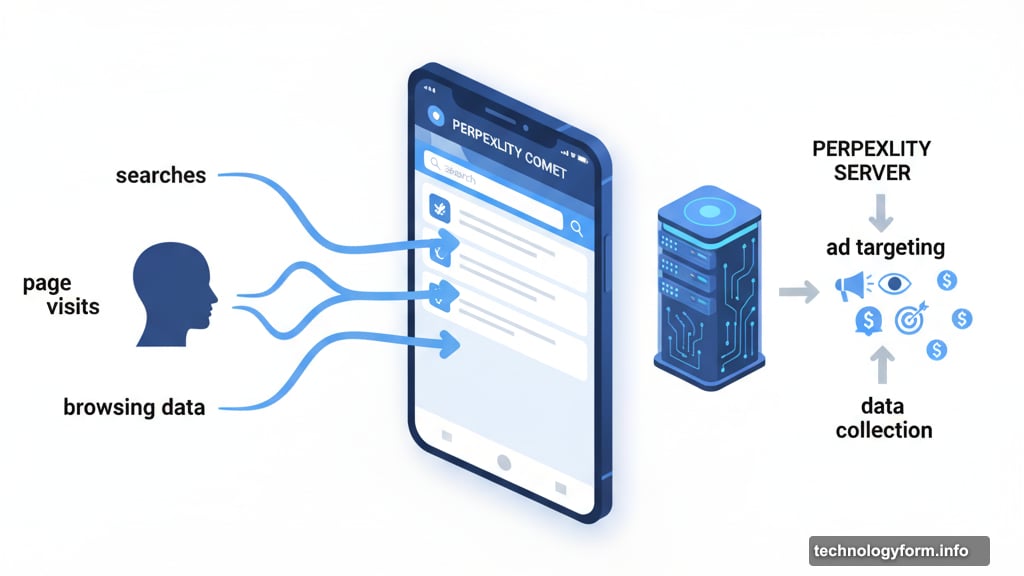
Perplexity isn’t hiding its business model. The company explicitly states it’s building Comet to collect browsing data for advertising purposes.
Every search you run feeds their systems. Every page you visit gets logged. Every summary you request teaches their AI more about your interests and habits. So the “free” browser costs you privacy instead of money.
This approach mirrors what Google does with Chrome. But Perplexity is more transparent about it. They’ve told investors and users directly that browsing data powers their ad targeting strategy.
Moreover, competitors noticed. Amazon already complained about AI shopping features that prioritize affiliate revenue over user value. And security experts warn these AI browsers create new opportunities for scammers who can manipulate the summary algorithms.
Why Everyone Wants an AI Browser
Perplexity isn’t alone in this space. Multiple tech companies are racing to build AI-powered browsing experiences.
The prize is obvious. Browsers control how billions of people access information online. Whoever owns the browser owns the gateway to the internet. Plus, browsers generate massive amounts of valuable data about user behavior and preferences.
Google already embedded AI into Chrome through Gemini integration. Microsoft pushed Copilot into Edge. And now Perplexity wants a piece of that market with Comet. Each company believes AI summaries will replace traditional search results.
But here’s the problem. These AI features often make browsing slower and more complex. Users who just want to quickly look something up now wait for summaries they didn’t ask for. The technology serves the company’s goals more than user needs.
The Expansion Strategy
Comet’s journey shows how tech companies test expensive features before going mainstream.
The browser launched as a $200-per-month luxury for Perplexity Pro subscribers. That exclusivity generated buzz and limited initial server costs. Then they opened it to all users last month, creating a wave of new signups.
Now Android expands the reach even further. Mobile browsing accounts for over 60% of web traffic globally. So Android support means Comet can finally compete with Chrome and Safari at scale.
Still, adoption faces real challenges. Most people already have a browser they like. Switching requires compelling reasons beyond “it has AI.” And privacy-conscious users will avoid Comet specifically because of its data collection practices.
What This Means for Regular Users
Should you download Comet on Android? That depends on what you value more: AI convenience or data privacy.
The browser works well for quick research. Ask a question, get an instant summary without clicking through multiple links. That saves time when you need fast answers. Voice interaction also helps when you’re multitasking or driving.
However, you’re trading detailed control for AI-generated shortcuts. Comet’s summaries sometimes miss nuance or context. And you won’t see the full range of perspectives that traditional search results provide.
Plus, remember that data collection. Every search and page view feeds Perplexity’s advertising systems. If that bothers you, stick with privacy-focused browsers like Firefox or Brave instead.
The Bigger Picture
AI browsers represent a bet on how we’ll access information in the future. Companies like Perplexity believe users want answers, not links.
Maybe they’re right. Maybe constantly scanning search results is outdated. But maybe we lose something valuable when algorithms decide what information matters and what doesn’t.
The technology clearly works. Comet generates useful summaries. Voice interaction feels natural. And the free price point removes barriers to adoption. Yet the privacy trade-offs and potential for manipulation create real concerns.
This tension will define the next phase of browser development. Users want convenience. Companies want data. Finding the balance between those competing interests will determine which AI browsers succeed and which fade away.
For now, Comet on Android gives millions of users a chance to test this new approach. Their choices will signal whether AI-powered browsing becomes the norm or remains a niche experiment.