Celebrity Deepfakes Just Became Fandom’s Currency
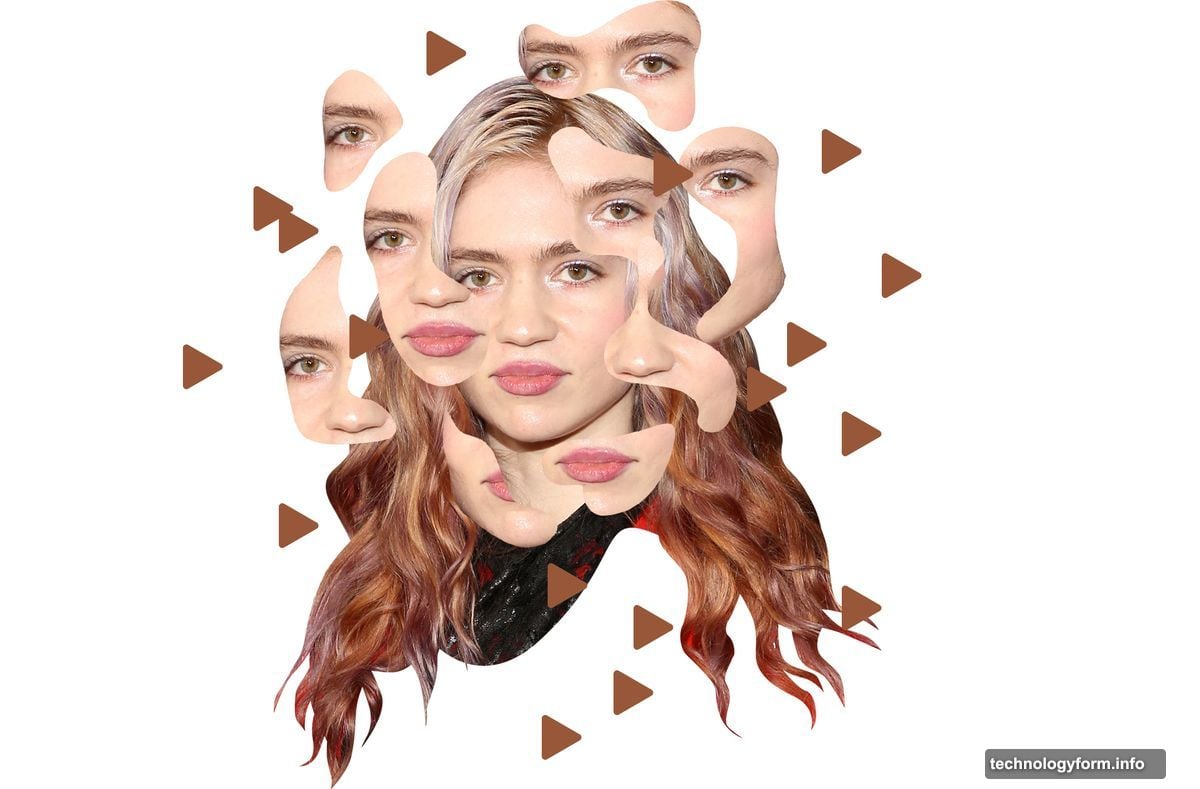
AI-generated images and videos of stars are spreading fast. Fans are cashing in, even when their idols publicly object.
Ariana Grande begged fans to stop making AI images of her. They refused. Now those deepfakes fuel an entire economy on social media where controversy translates directly into dollars.
The collision between AI tools and fan culture has created something unexpected. What started as crude edits on anonymous forums transformed into a mainstream attention economy. And celebrities are losing control of their own faces in the process.
Fan Accounts Turn AI Into Revenue
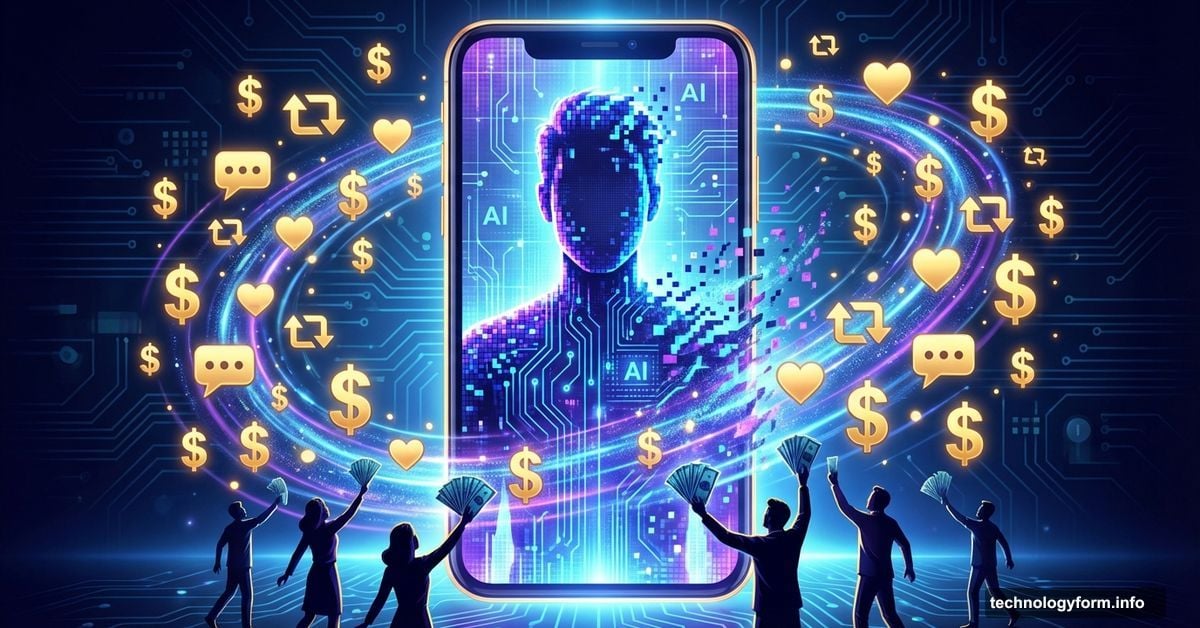
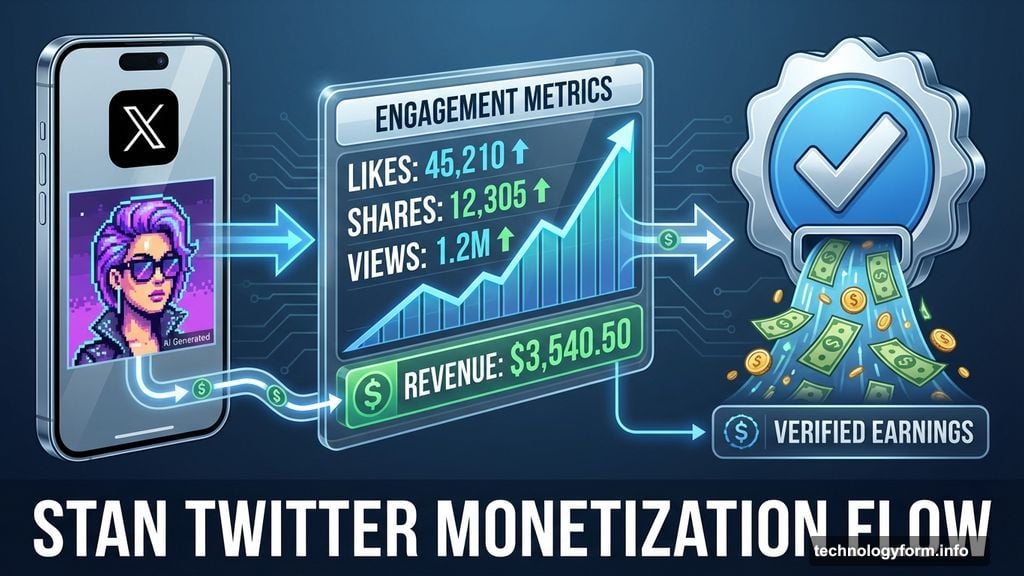
Stan Twitter accounts now monetize deepfakes through platform engagement programs. X pays verified users based on interactions from other verified accounts. So controversial AI content generates quick money.
Brandon runs a 25,000-follower Ariana Grande fan account. He opposes most AI media but understands the financial incentive. “It’s just a very quick way to get money,” he told The Verge.
The formula works simply. Post an AI-generated image of a celebrity. Watch fans argue in the replies. Collect engagement payments. Plus, the more outrage it generates, the more money flows in.
One Grande fan account posted AI edits despite the singer blocking similar accounts. The account owner openly stated they wouldn’t stop, even after Grande expressed discomfort with AI versions of herself.
Stars Reject Their Digital Twins
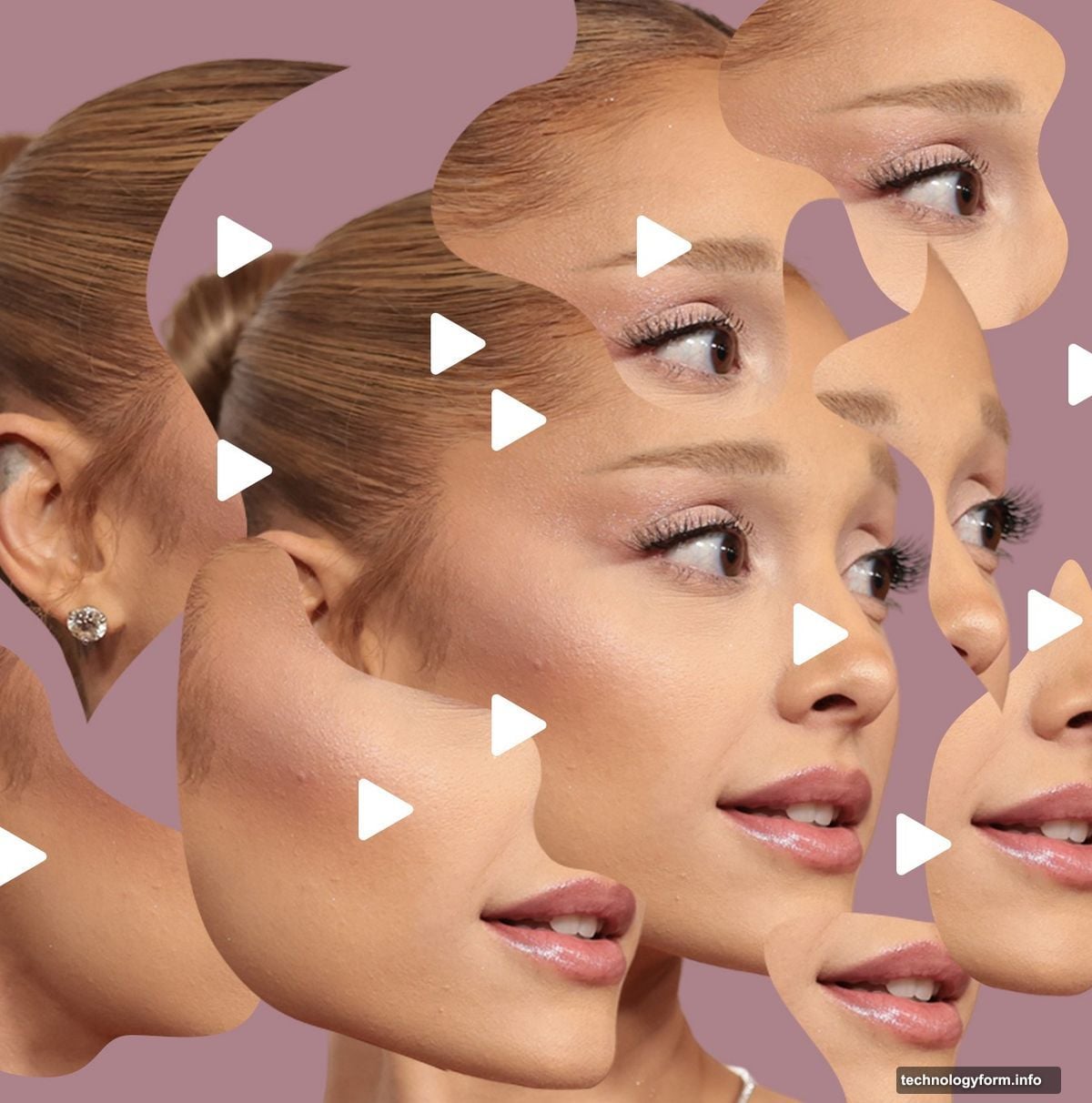
Grande called AI-generated covers of her voice “terrifying” in February 2024. Fans ignored her. Searches for “ariana grande ai cover” still pull up countless unauthorized AI songs on X.
Musician Grimes initially encouraged AI imitations of her voice in 2023. Yet by October 2024, she reversed course completely. The experience “felt really weird and really uncomfortable,” she admitted. Now she advocates for international treaties regulating deepfakes.
The pattern repeats across fandoms. Taylor Swift’s name got temporarily blocked from X searches after sexually explicit deepfakes went viral. Jenna Ortega deactivated her Twitter after encountering AI-generated pornography created from childhood photos.
Criminal Minds actress Paget Brewster recently mistook a simple brightened screenshot for AI. She publicly confronted the fan who posted it before realizing her error. Stars have become so paranoid about deepfakes that they see AI everywhere.
OpenAI’s Sora Accelerated Everything
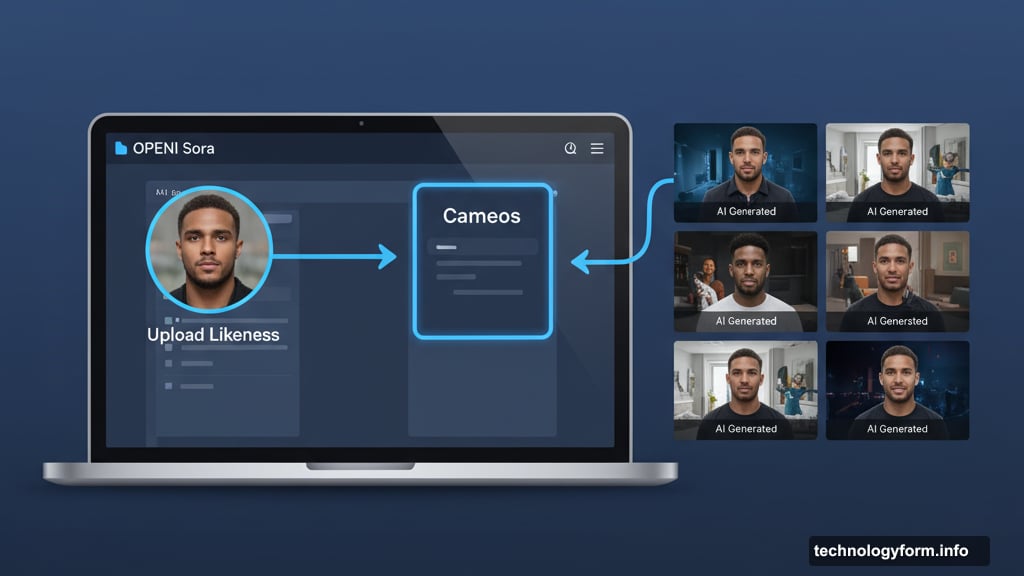
Sora launched with a controversial “Cameos” feature. It lets anyone offer their likeness for other users to manipulate. The results were predictably offensive.
Jake Paul, an OpenAI investor, promoted his Sora Cameo at launch. AI videos of him were viewed over a billion times in one week. Many portrayed him using homophobic stereotypes. Other influencers who tried the same thing faced immediate backlash.
YouTuber IShowSpeed attempted to delete AI videos depicting him coming out. He ran into the fundamental problem with deepfakes: delete one, five more appear elsewhere. Once deepfakes escape into the wild, they’re nearly impossible to control.
“Once you open that door to being okay with people deepfaking you, even if it’s your friends deepfaking you, all of a sudden your likeness has just gotten fucked,” said Jeremy Carrasco, a video producer who teaches people to spot AI content.
Most influencers avoid creating their own deepfakes now. They worry about scams targeting their fans or accusations that their real content is fake.
Young Fans Drive Normalization
Madison Lawrence Tabbey, 33, noticed younger Grande fans show less resistance to AI deepfakes. She argues with AI content creators regularly on X, referencing data centers draining water resources and polluting cities.
The generational divide is stark. Older fans remember fighting for celebrity privacy boundaries in the early 2000s. Younger fans grew up in an environment where deepfakes feel normal.
Meta’s AI chatbot feature exemplifies this shift. Users create celebrity chatbot “parodies” on Instagram and Facebook, technically violating rules against impersonating living people. One 11-year-old girl in India created an Ariana Grande chatbot that immediately turned flirtatious.
Searches for “Ariana Grande” on Meta platforms pull up multiple AI chatbots imitating her. Most were created by young users who see nothing wrong with it. The bots loop through generic romantic scenarios, mixing Grande song references with suggestive dialogue.
Sexual Harassment Goes Mainstream
AI deepfakes of female celebrities frequently turn sexual. Grande stans report seeing AI-generated images meant to simulate semen on her face. Similar content targets Taylor Swift, Lady Gaga, and Beyoncé.
X’s own AI service Grok generated these kinds of images from women’s selfies over summer 2024. The feature garnered tens of millions of views before one influencer sought legal advice publicly.
Some deepfake creators successfully monetize nonconsensual sexual content despite widespread outrage. Platforms like Joi AI partner with adult performers to offer AI “twins” for fans. But many celebrities featured in sexual AI content never consented.
“I’ve seen so many people have the excuse, ‘Well if they didn’t want it, they shouldn’t have become famous,'” said Chelsea, 28, who helped organize mass-reporting campaigns against Swift deepfakes in January 2024.
The Take It Down Act attempted to address this by requiring platforms to quickly remove reported deepfakes. Yet enforcement remains inconsistent. Critics warn it facilitates censorship without necessarily helping victims.
AI Makes Fandom More Toxic
Deceptively edited AI content spreads misinformation about celebrities. One Grande fan account with 40,000 followers posted images of her wearing a shirt reading “Treat your girl right.” The text was AI-generated, referencing controversial aspects of her dating history.
The post received 6 million views. Most viewers didn’t realize the shirt originally featured a simple smiley face design. Close inspection reveals telltale AI artifacts: compressed letters, wavy text, resolution inconsistencies.
“I probably should’ve deleted this tweet a while ago,” admitted Trace, 18, whose quote tweet amplified the fake image. He acknowledged AI “can influence people to believe things that are harmful or aren’t true about a celeb.”
Platforms struggle to moderate this content. AI chatbots on Meta supposedly can’t depict living people without permission. Yet hundreds of celebrity impersonations exist openly. Meta only removed some accounts after The Verge asked about them.
Control Slips Away From Stars
Technology platforms profit from celebrity deepfakes while the stars themselves lose agency over their own images. Meta’s user-generated chatbots don’t pay creators. Jake Paul and other early Sora promoters stopped posting about it after initial backlash.
“The normalization of deepfakes is something no one was asking for,” Carrasco said. “It’s something that OpenAI did because it made their thing more viral and social.”
Jamie Cohen, an associate professor of media studies at Queens College, explains the psychological appeal. “If you’re in an agreement bubble, you’re more likely to stick around,” he said. AI chatbots keep users engaged through sycophantic responses and simulated intimacy.
For female celebrities especially, AI involvement means inevitable sexualization. The technology’s training data reflects internet culture’s inherent misogyny. Even when creators don’t intend sexual content, the AI drifts that direction anyway.
Younger Fans Miss Privacy Battles
Tabbey worries that progress made in the 2000s around celebrity boundaries is unraveling. Early 2000s tabloid culture faced intense backlash. Stars pushed back against invasive surveillance. Fans learned to respect boundaries.
Now AI offers fans control over celebrity likenesses again. Younger generations don’t remember those privacy battles. They see nothing wrong with puppeteering digital versions of their favorite stars.
“We as Ariana Grande fans who are in our late 20s, early 30s, need to have some sort of responsibility,” Tabbey said. “We had so much that we were making strides with when it came to boundaries being set with celebrities. I think that we’re actively being set back in many ways.”
Platforms enable this regression through engagement incentives and weak enforcement. X’s verification payments reward controversy. Meta’s chatbot features ignore impersonation rules. OpenAI’s Sora launched with celebrity Cameos despite predictable abuse.
The technology advances faster than social norms can adapt. Stars object publicly but lack tools to stop unauthorized deepfakes. Fans monetize controversy regardless of their idols’ wishes. And younger users grow up thinking this is normal.
Boundaries that took years to establish are dissolving. Celebrity deepfakes aren’t going away. They’re becoming fandom’s default mode of engagement, whether the stars consent or not.