X Killed the EU’s Ad Account Hours After $140 Million Fine
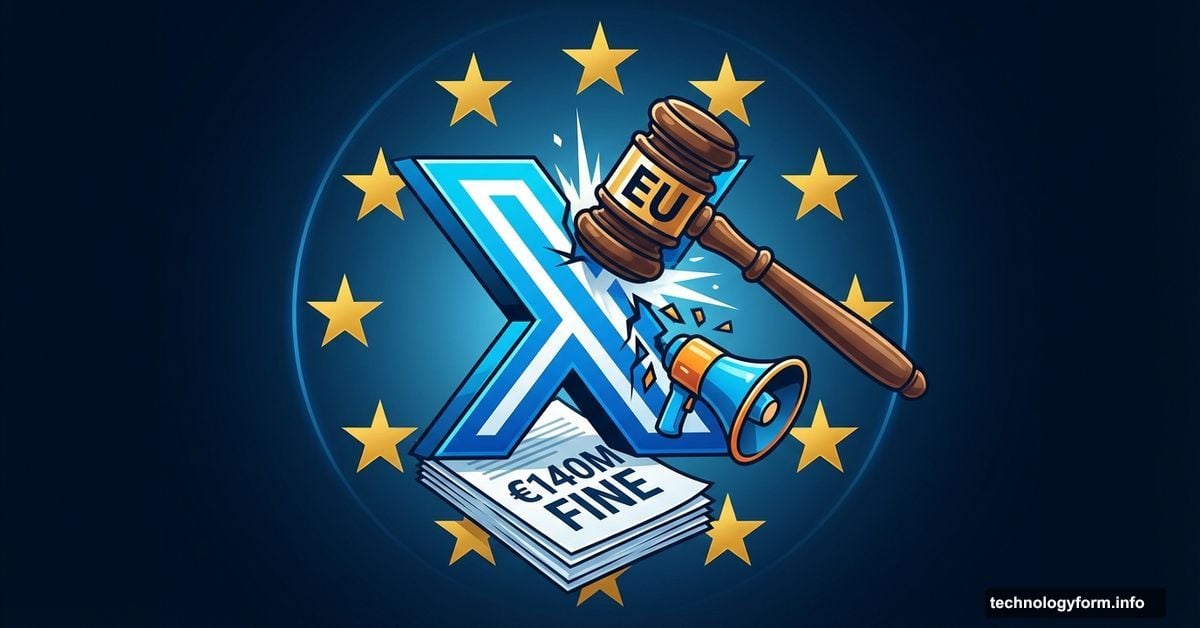
X just cut off the European Commission’s advertising access. The timing? Suspiciously perfect.
Just one day after European regulators slapped X with a $140 million fine, the platform terminated the Commission’s ad account. X claims the EU exploited their system. The EU says X violated digital transparency laws. Both can’t be right.
The Exploit That Started Everything
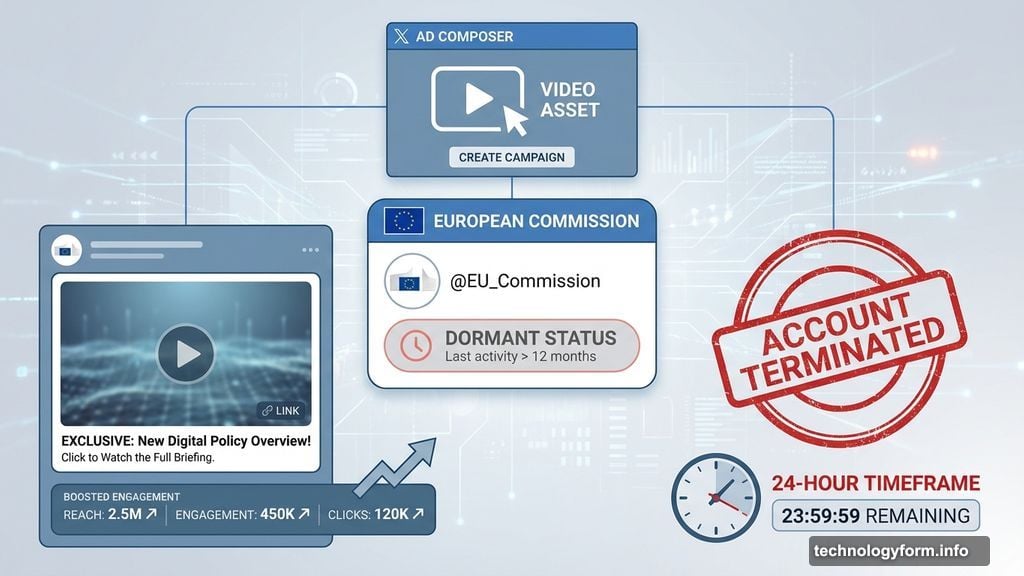
Nikita Bier, X’s head of product, accused the European Commission of gaming the system. According to Bier, the Commission “logged into their dormant ad account to take advantage of an exploit in our Ad Composer.”
The alleged trick? Posting a link disguised as a video to artificially boost reach. Specifically, the Commission used this method to promote their post announcing X’s massive fine.
Bier claimed this exploit existed but “has never been abused like this.” Plus, he says it’s “now patched.” That’s convenient timing, considering the exploit only became a problem after X received its largest-ever European fine.
Here’s the thing. X maintained this security flaw in their ad system. The Commission simply used X’s own tools in ways X apparently didn’t anticipate. That’s less “exploit” and more “unintended feature.”
Retaliation Disguised as Enforcement
X revoked the European Commission’s ability to buy and track ads on the platform. The move came within 24 hours of the fine announcement. That’s not a security response. That’s payback.
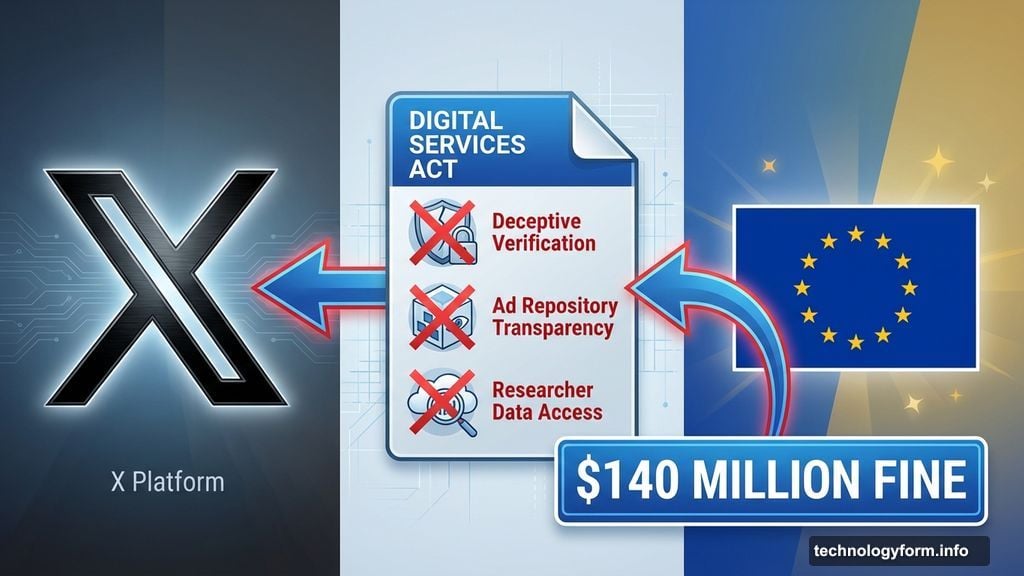
Thomas Regnier, spokesperson for the European Commission’s tech division, confirmed this marks the first-ever fine under the Digital Services Act. The Commission cited three major violations. X maintains a deceptive verification system. Their ad repository lacks transparency. And they don’t provide adequate data access for researchers.
Elon Musk’s response? He replied to the Commission’s announcement with one word: “bullshit.” That’s the entire defense strategy, apparently.
Meanwhile, X still needs to submit specific corrective measures and an action plan. The fine stands regardless of whether the Commission can advertise on the platform. So X achieved nothing except looking petty.
Why This Matters Beyond the Drama
The Digital Services Act requires platforms to maintain transparent ad systems. X’s decision to kill the EU’s ad account doesn’t change their legal obligations. In fact, it might make things worse.
By claiming the Commission exploited their ad system, X admitted their advertising tools have security flaws. That’s not great when you’re already under scrutiny for lack of transparency in your ad repository.
Plus, revoking access from a major regulatory body sends a clear message. X would rather fight than comply. That approach rarely ends well when dealing with European regulators who have a track record of escalating enforcement actions.
Other platforms facing Digital Services Act scrutiny are watching closely. Meta, TikTok, and Google all operate in Europe under the same rules. X just showed them what not to do when regulators come knocking.
The Bigger Picture Nobody’s Discussing
This situation reveals how platform policies apply differently depending on who you are. Regular users who violate X’s terms get banned immediately. But when X’s owner disagrees with a fine, the platform can simply cut off a government agency’s advertising access.
That’s selective enforcement. And it undermines X’s claims about being a neutral platform. You can’t position yourself as a digital town square while simultaneously banning government agencies you disagree with.
Moreover, X’s explanation doesn’t hold up under basic scrutiny. If this exploit was serious enough to terminate the Commission’s account, why wasn’t it patched before? Why did it only become an urgent security issue the day after X received a major fine?
The European Commission will likely include this retaliation in future enforcement actions. X essentially handed regulators additional evidence of non-compliance. That’s not strategic. That’s reactive and self-defeating.
X needs to decide whether it wants to operate in Europe under European rules. Fighting regulators publicly while cutting off their access won’t reduce fines. It’ll increase them. And it won’t win any sympathy from European users who value the Digital Services Act’s protections.
The choice seems clear. But so far, X keeps choosing conflict over compliance.