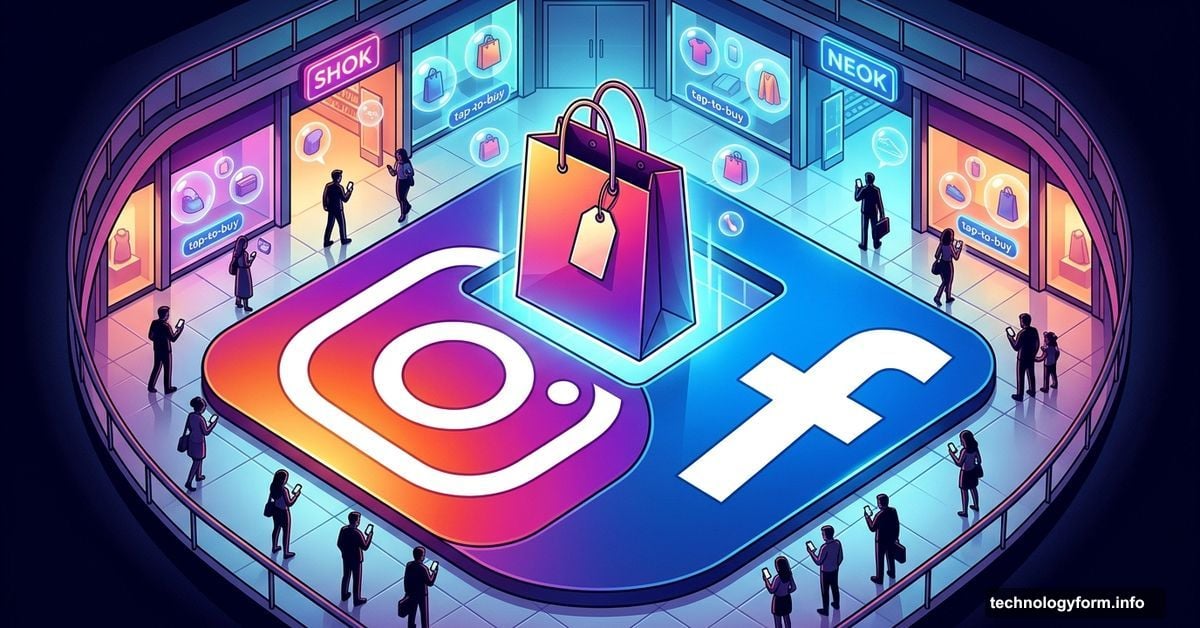
Meta Is Turning Instagram and Facebook Into One Giant Shopping Mall
Scrolling through your Instagram feed is about to feel a lot more like browsing Amazon. Meta just announced new affiliate shopping features for both Instagram and Facebook, and the change is going to be hard to miss.
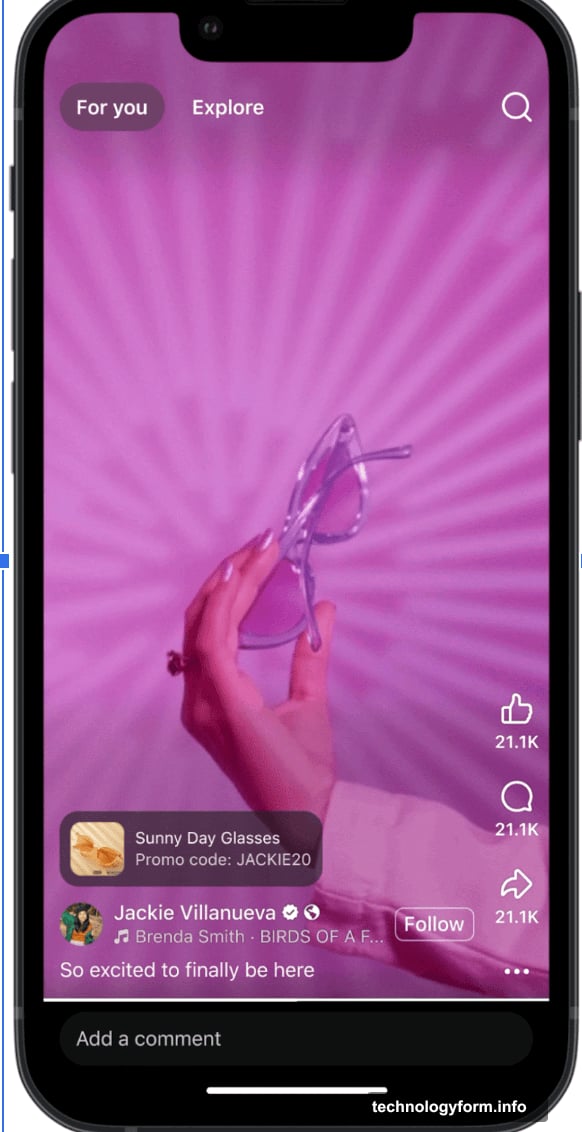
The idea is simple. Influencers will soon be able to embed shoppable product links directly into their posts and Reels. No more hunting for “link in bio” tools. No more pinned comments with affiliate URLs. Just a floating bubble sitting right on the content, ready to tap.
For creators, this is genuinely convenient. For everyone else, get ready for a very different feed.
Affiliate Links Are Moving Inside the Content
Right now, most influencers use workarounds to share their affiliate links. They drop links in comments. They send followers to platforms like ShopMy or LTK. Or they point people toward a third-party bio link tool that hosts all their recommended products.
Meta wants to cut all of that out. Instead, approved products will attach directly to posts as clickable bubbles. It works much the same way TikTok Shop links float across videos, following you from tank tops to camera mounts to kitchen gadgets without you asking.
The convenience is real. But so is the tradeoff. Anyone not looking to shop is going to feel the difference immediately.
Facebook and Instagram Each Get Their Own Version
The two platforms are rolling out slightly different versions of the feature, and it’s worth knowing how they differ.
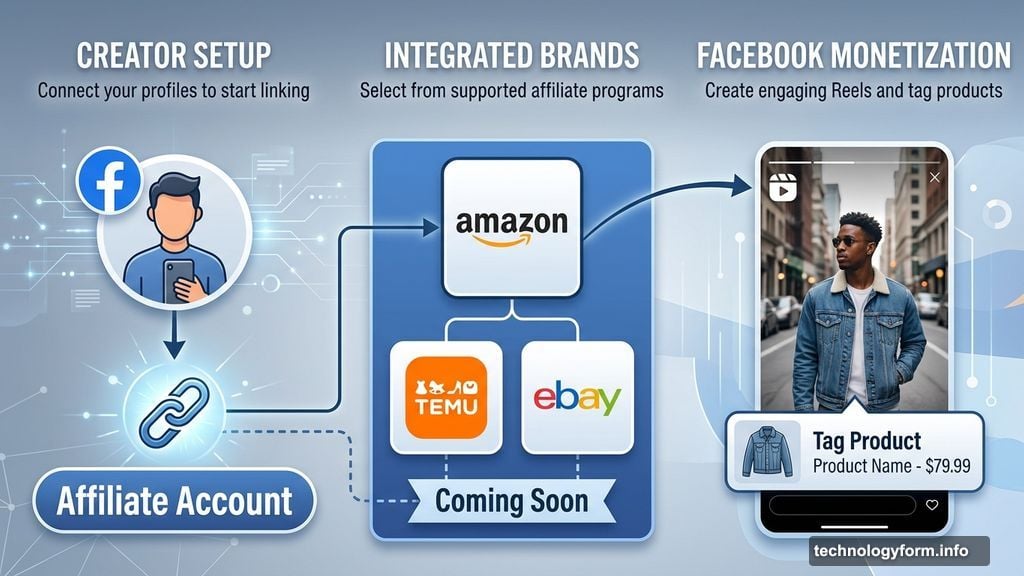
On Facebook, creators link their existing affiliate accounts with specific brands. They can then tag products in Reels and photos. At launch in the US, the program starts with Amazon as the only partner. Temu and eBay are expected to join in the coming months.
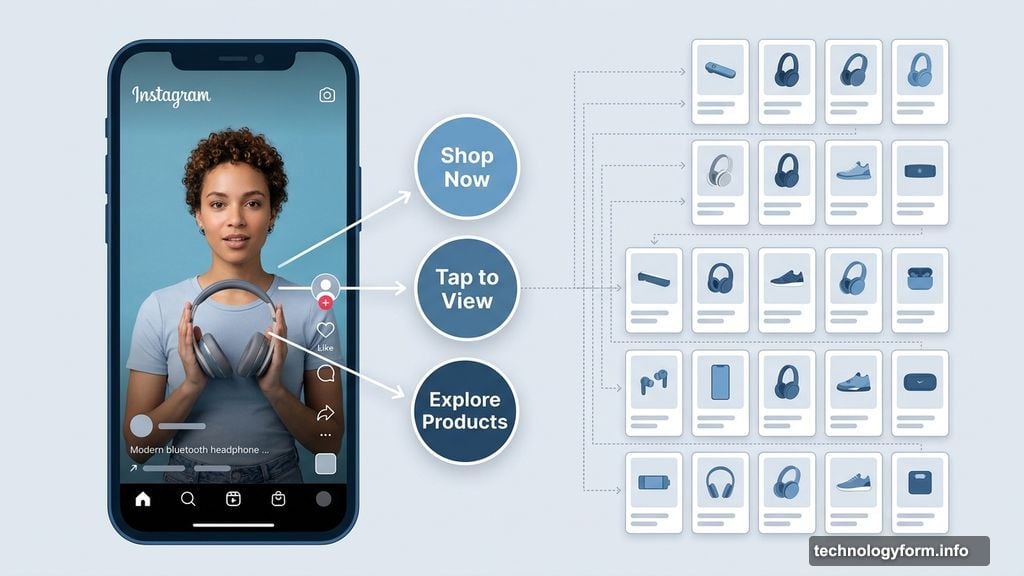
On Instagram, the approach is more flexible. Creators can load up to 30 shoppable products into a single Reel. Plus, they can paste their own affiliate links directly for individual items, rather than going through pre-approved brand partnerships. The only requirement is that linked products must be registered with Meta through a brand’s commerce catalog.
So Instagram gives creators more freedom, while Facebook starts more restricted but will expand its partner list over time.
This Already Caused a Problem Once
The timing here is worth noting. These new features arrive just weeks after a messy controversy involving Instagram adding shopping links to influencer content without their knowledge or consent.
The feature, called “Shop the look,” automatically attached links to cheap lookalike products. Not the actual items creators were wearing or recommending. Several influencers discovered this and called it out publicly. Meta described it as a limited test and said the company was “exploring various changes” to the feature.
That situation stung creators who rely on their audience’s trust. Slapping unauthorized affiliate-style links onto someone’s post, pointing to knock-off products no less, cuts directly against how influencer marketing is supposed to work.
The new voluntary affiliate tools are clearly different in nature. Creators opt in and control what gets tagged. But the earlier incident left a lot of people in the creator community on edge about where Meta is heading with all of this.
Your Feed Is Becoming a Storefront
There’s a bigger picture worth stepping back to see. Meta is clearly chasing what TikTok has built with TikTok Shop, a deeply integrated commerce layer woven directly into the social experience. And TikTok Shop has been genuinely successful at blurring the line between watching content and buying things.
But TikTok’s shopping features have also changed how that platform feels. The commerce layer is unavoidable. Product links appear on content whether you want them or not, and the algorithm learns to serve you more of what you’ve clicked on before.
Instagram and Facebook are heading the same direction. For creators who earn affiliate income, this removes real friction and could mean more revenue. For brands, it creates a more direct path from content to purchase. For Meta, it builds a new revenue stream and keeps shopping activity inside its platforms rather than sending users elsewhere.
For regular users who just want to see photos from friends or watch videos without being sold something? It’s a harder sell. These platforms are already heavy with sponsored posts and ads. Adding a layer of creator-driven affiliate commerce on top of that changes the texture of the experience in a meaningful way.
Whether you find that exciting or exhausting probably depends on how much of your feed is already influencer content. If it’s most of it, buckle up.