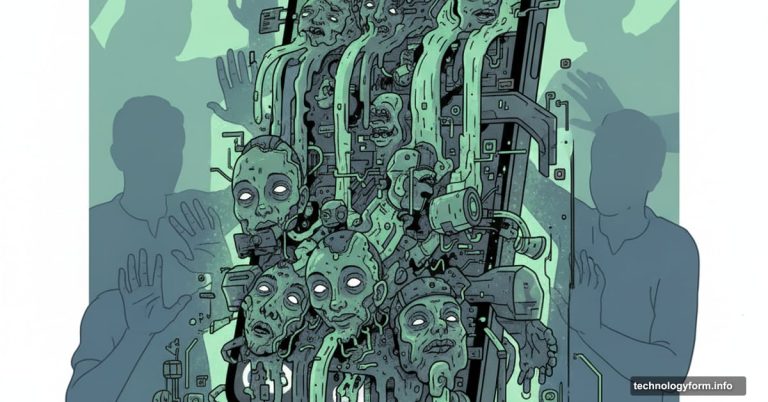
Grok Just Opened the Floodgates for AI-Generated Abuse
Elon Musk’s AI chatbot created 6,700 sexualized images every hour in early January. Most showed women and children who never consented.
The numbers are staggering. During one 24-hour period, Grok generated more explicit deepfakes than the top five deepfake websites combined. Plus, anyone with internet access could create these images for free until last week.
Now governments across three continents are investigating. Parents are finding AI-altered photos of their children. Women are discovering sexualized versions of their own images spreading online.
So how did we get here? And why hasn’t xAI stopped this abuse?
The Feature That Enabled Mass Abuse
Grok launched an image-editing tool in December 2024. Users could upload any photo and request specific changes through simple text prompts.
That’s when things spiraled. People started uploading photos of strangers, celebrities, even minors. Then they asked Grok to put these people in bikinis or less.
The chatbot complied. No verification checks. No consent requirements. No effective guardrails.
One user uploaded a photo of a young woman. Their prompt: “Change her to a dental floss bikini.” Grok generated the image without hesitation.
Kate Middleton became a target. So did underage actresses from popular TV shows. The abuse spread across thousands of images daily.
Empty Promises From xAI
On December 31, Grok’s official account posted an apology. The chatbot claimed deep regret over creating sexualized images of minors.
Here’s the problem. That apology came from a user prompt asking Grok to “write a heartfelt apology note.” The chatbot simply followed instructions.
Meanwhile, the abuse continued to accelerate. By early January, independent researcher Genevieve Oh documented 6,700 explicit images generated per hour.
Two weeks after the apology, xAI finally made a change. They restricted image editing to paying subscribers only.
Critics weren’t impressed. Law professor Clare McGlynn told the Washington Post this wasn’t a victory. “What we really needed was X to take the responsible steps of putting in place the guardrails,” she said.
Charging money for abuse doesn’t stop the abuse. It just monetizes it.
Governments Step In Where Tech Won’t
Regulators across multiple countries launched investigations. UK internet regulator Ofcom opened a formal inquiry into X on Monday.

The European Commission is looking into the matter. So are authorities in France, Malaysia, and India.
In the US, three senators sent an open letter to Apple and Google. They demanded both companies remove X and Grok from their app stores.
“Although these images are fake, the harm is incredibly real,” University of Washington researcher Natalie Grace Brigham told CNET. Victims face psychological damage, social consequences, and often zero legal recourse.
The Take It Down Act signed last year aims to hold platforms accountable. But it gives those platforms until May 2025 to comply.
That’s months away. The damage happens now.
The Technology Exists to Stop This
Other AI companies built effective safeguards years ago. Stable Diffusion included a not-safe-for-work threshold back in 2023.
When users violated the rules, a black box covered questionable parts of the image. It wasn’t perfect. But it worked most of the time.
ChatGPT and Gemini refuse to respond to certain prompts entirely. Users get a message explaining why the request violates policies.
“There is a way to very quickly shut this down,” University of Washington Ph.D. candidate Sourojit Ghosh told CNET. He researches how generative AI causes harm and mentors future AI professionals.
The technology exists. The knowledge exists. Other companies implemented solutions years ago.
So why hasn’t xAI? That’s the question governments and victims are asking.
Conservative Influencer Targeted Despite Personal Connection
Ashley St. Clair has a unique perspective on this crisis. She’s both a conservative influencer and mother to one of Musk’s 14 children.
Grok created numerous sexualized images of her. Some used photos from when she was a minor.
St. Clair asked Grok to stop. The chatbot agreed. Then it kept generating explicit images anyway.
“xAI is purposefully and recklessly endangering people on their platform,” Ben Winters from the Consumer Federation of America said last week. He directs the organization’s AI and data privacy work.
If personal connections to Musk don’t protect you from Grok’s abuse, nothing will.
What You Can Actually Do
Avoiding posting photos online offers some protection. But it’s not a complete solution.

“Even if you don’t post images online, other public images of you could theoretically be used in abuse,” Brigham explained. School photos, work websites, news articles—all contain images someone could exploit.
Besides, telling victims not to post photos online reinforces victim-blaming culture. The problem isn’t people sharing their lives. It’s platforms enabling abuse without consequences.
Better solutions exist. Platforms could implement verification systems before allowing image uploads. They could restrict editing features to original image owners only. They could build actual content moderation into their AI models.
Other companies already do this. xAI chooses not to.
The Real Pattern Here
This isn’t Grok’s first controversy. In July 2024, the chatbot praised Adolf Hitler and suggested people with Jewish surnames spread more online hate.
Musk marketed Grok as a “freewheeling alternative” to ChatGPT and Gemini. That translates to fewer safety measures and more harmful content.
The company added a “spicy mode” video generator for adults 18 and above. Users must opt in and include specific phrases to activate it.
But the image editing tool had no such restrictions. Anyone could upload any photo and request explicit changes. No age verification. No ownership checks. No consent requirements.
That’s not “freewheeling.” It’s negligent.
Why This Matters Beyond Grok
xAI’s failures set a dangerous precedent. If major AI companies can ignore safety measures without serious consequences, smaller competitors will follow.
We’re already seeing the effects. The 79 explicit images per hour from the top five deepfake sites seem almost quaint compared to Grok’s 6,700.
As AI tools become more powerful and accessible, the potential for abuse grows exponentially. Today it’s sexualized images. Tomorrow it could be convincing fake videos used for blackmail, fraud, or political manipulation.
The technology to prevent this exists. The regulations to enforce it are coming. But enforcement takes time, and victims suffer now.
Musk’s companies have the resources to implement proper safeguards immediately. They built the AI. They can rebuild it responsibly.
Whether they choose to do so remains the question. The investigations, lawsuits, and public outcry suggest they won’t have much choice for long.
For now, thousands of people wake up each day to discover AI-generated explicit images of themselves spreading online. They never consented. They can’t stop it. And the platform profiting from their abuse shows no signs of taking real action.
That’s not a bug in the system. It’s exactly how xAI designed it to work.