Your iPhone Already Has the Hardware for AI Notetaking. This App Just Uses It
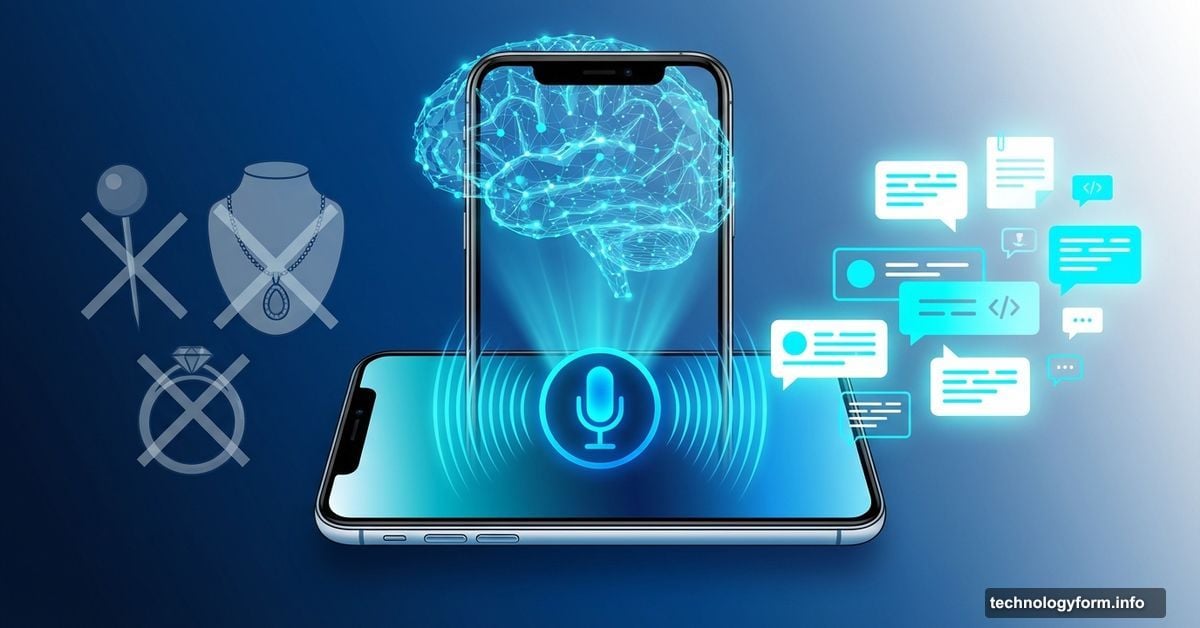
Forget the AI pins, necklaces, and rings flooding CES 2026. One startup figured out you already own the perfect always-on notetaker.
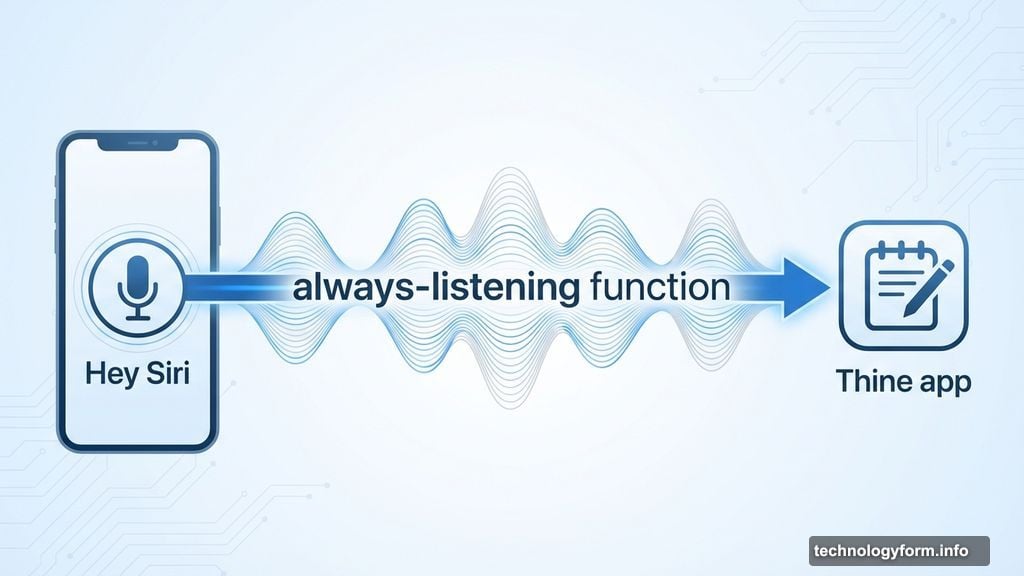
Thine doesn’t want to sell you new hardware. Instead, it taps into tech already built into your iPhone. The microphone and Siri’s always-listening function become a constant memory assistant. No extra device needed.
This approach sidesteps two massive hurdles other AI notetaking startups face. First, building quality hardware from scratch. Second, convincing people to wear yet another gadget. Your phone already solved both problems.
How Your Phone Becomes a Memory Machine
Thine works because iPhones already stream live audio constantly. That’s how Siri responds when you say “Hey Siri.” The phone listens for the wake word without recording everything.
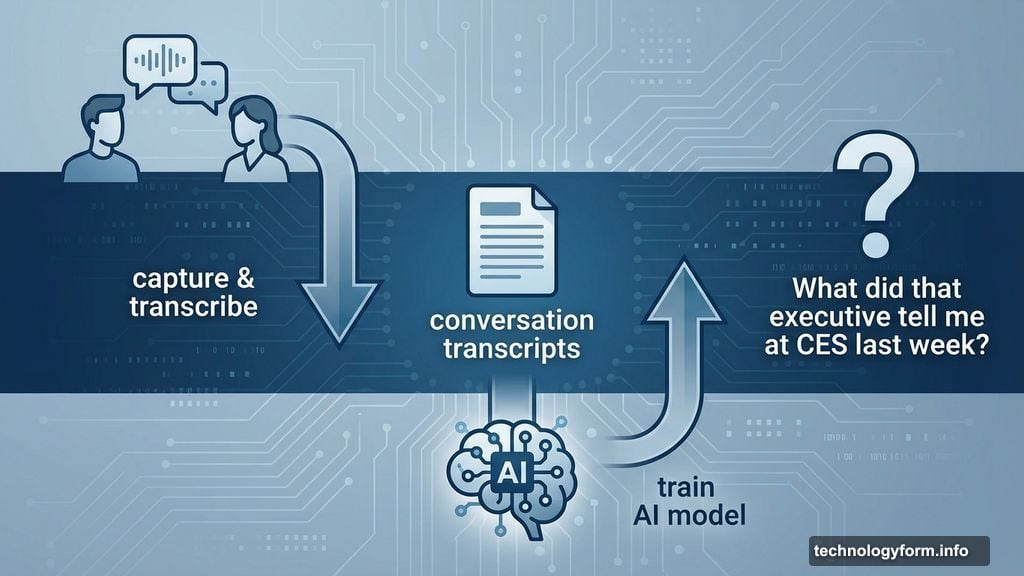
Thine piggybacks on that same system. It captures and transcribes conversations automatically. Then it trains an AI model on those transcripts. Later, you can ask questions like “What did that executive tell me at CES last week?”
The app responds with conversation summaries. At CES, I watched Thine’s CEO Pratyush Rai recall our interview from two weeks earlier. The summary was accurate and surprisingly thorough.
Plus, the iPhone’s microphone includes excellent noise cancellation. That’s hardware refinement that took Apple years to perfect. A startup creating its own listening device would need to match that quality. Why reinvent what already works?
Privacy and Storage Trade-Offs
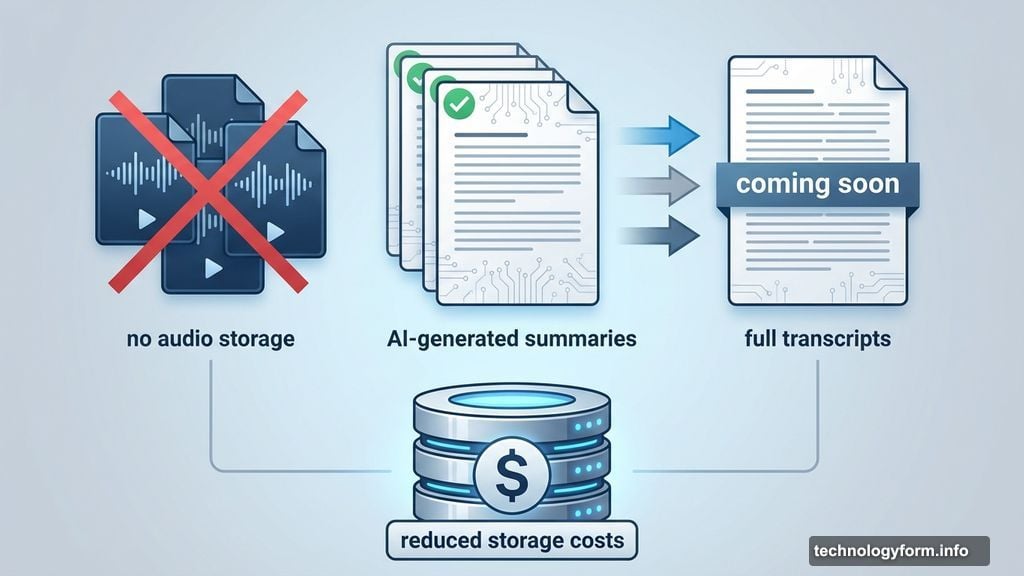
Here’s the catch. Thine doesn’t store your actual audio recordings. Right now, it only keeps AI-generated summaries of conversations.
That changes soon. Rai said the company is building a version that provides full transcripts. You’ll be able to upload those into your own chatbot. Think of it like running Voice Memos constantly and keeping all the transcriptions.
The transcript feature came from user feedback. People testing competing AI notetakers wanted verbatim records, not just summaries. Makes sense. When you’re trying to remember what someone actually said, AI’s interpretation isn’t enough.
But full transcripts create a storage problem. Keeping months or years of conversation data accessible costs serious money. More importantly, securing that data requires constant vigilance.
Rai emphasized that long-term storage remains essential. Why? It reduces AI hallucinations. When the model has access to real conversation history, it doesn’t make stuff up to fill gaps. For business networking and important discussions, accuracy matters more than vague recollections.
The Price Problem
Currently, Thine costs $200 per month. That’s steep. Rai admits it.
The target audience right now is executives and tech founders tracking countless networking conversations. For them, never forgetting a potential business connection might justify the cost. For regular users? Not a chance.
However, Rai expects prices to drop dramatically. As AI models improve and the software scales, costs should fall. The basic transcript-only version could hit around $1 per month. That’s a price point where normal people might actually subscribe.
The expense isn’t the AI processing. It’s storing all that data securely over months and years. As storage costs decrease and compression improves, subscription prices should follow.
Different Goal Than Other AI Assistants
Most AI companions want you to build a relationship with them. They’re designed to become your digital friend or assistant. You’re supposed to interact with the AI itself.
Thine takes the opposite approach. Rai doesn’t want you forming a bond with the app. Instead, he wants it helping you build better relationships with real people.
The AI serves as a memory aid for human connections. It remembers conversations so you don’t have to. Then it helps you follow up appropriately. The goal is stronger relationships with actual humans, not deeper attachment to a chatbot.
“This is not something we ever imagine with Thine,” Rai said about people bonding with the AI.
That philosophy shapes every design decision. The app stays invisible until you need it. It doesn’t interrupt with notifications or suggestions. You ask questions when you want information. Otherwise, it stays silent.
The Hardware Question Everyone Keeps Asking
Why not make a dedicated device anyway? Companies are launching AI pins, necklaces, and rings specifically for this purpose. Wouldn’t custom hardware work better?
Rai doesn’t think so. Building hardware means solving problems Apple already fixed. Why duplicate their work? Plus, people already carry phones everywhere. Adding another device to remember and charge creates friction.
Custom hardware also faces a privacy hurdle. Convincing someone to wear an always-listening device requires overcoming significant skepticism. But your phone already listens for Siri. You’ve already accepted that trade-off.
The decision to build software instead of hardware also speeds development. Thine can iterate quickly based on user feedback. Hardware companies face much longer development cycles. They’re stuck with design decisions made months or years earlier.
For now, Thine stays iPhone-only. But the same principle could apply to Android phones and Google Assistant. The underlying idea remains: use the hardware people already trust and carry.
Your phone’s already listening. Thine just makes it remember. Whether that’s helpful or creepy depends entirely on how you plan to use it.