Waymo Secretly Built Gemini Into Its Robotaxis. Here’s What It Does
Waymo is testing Google’s Gemini AI as an in-car assistant for its self-driving taxis. But the company didn’t announce this publicly. Instead, researcher Jane Manchun Wong found the entire system buried in Waymo’s mobile app code.
She discovered over 1,200 lines of instructions that define exactly how Gemini should behave inside a Waymo vehicle. This isn’t just a simple chatbot. It’s designed to answer questions, control climate settings, and reassure nervous passengers during rides.
The leak reveals fascinating details about how Waymo wants AI to interact with riders.
What Gemini Can Actually Do
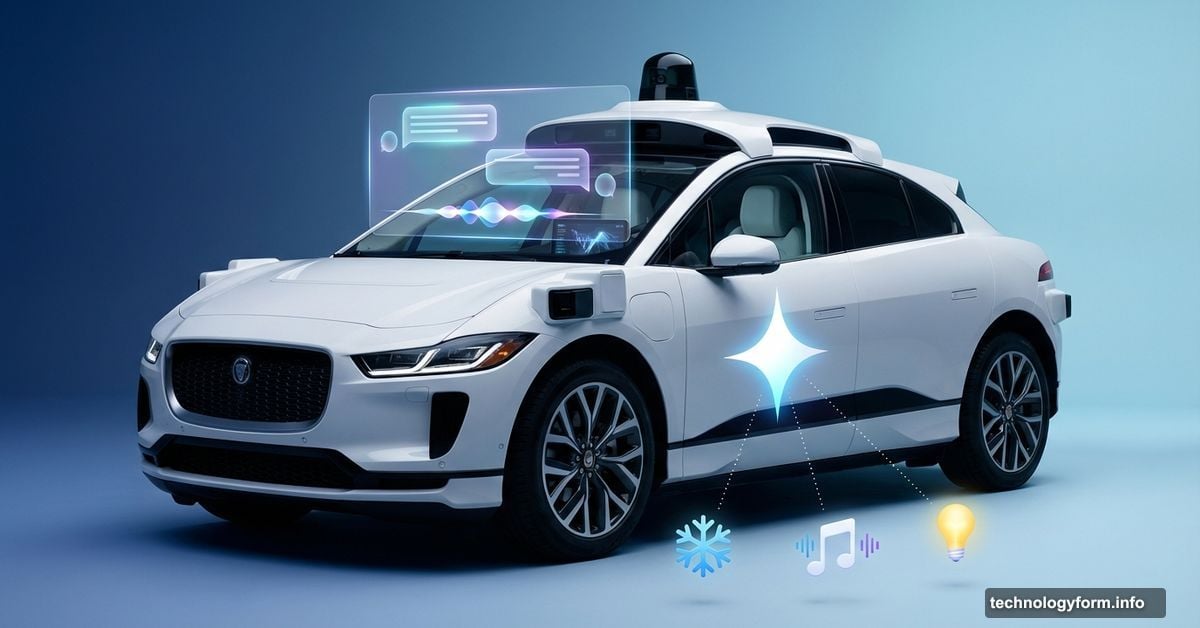
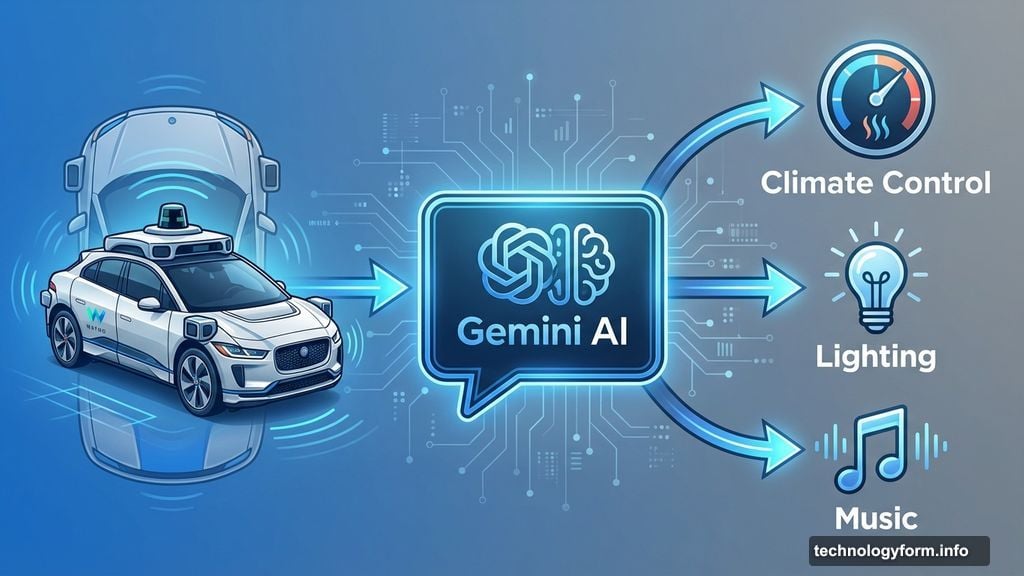
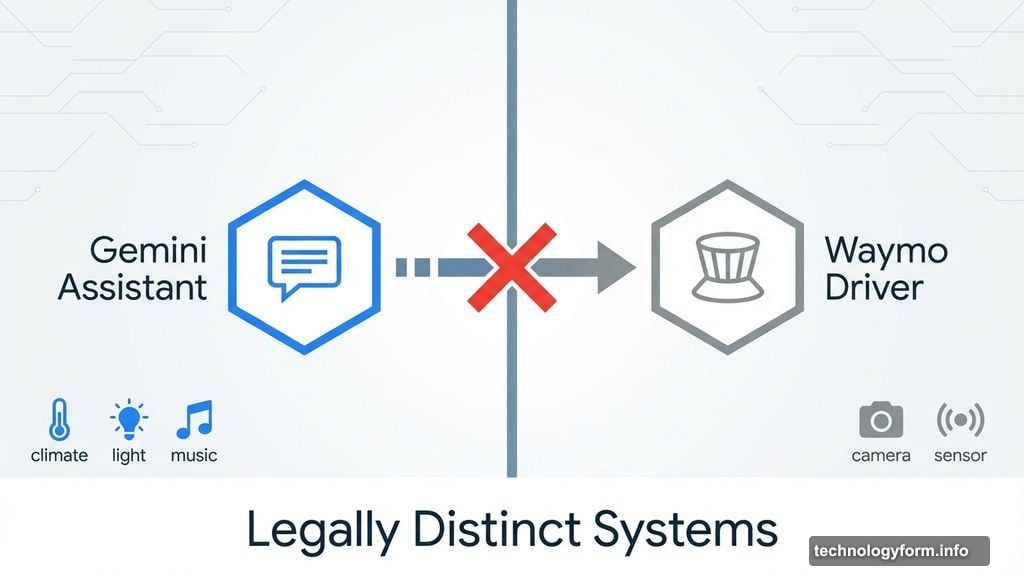
The assistant connects directly to vehicle systems. Passengers can adjust temperature, lighting, and music through voice commands. Those are the only three controls Gemini currently handles.
Notably absent? Volume control, route changes, seat adjustment, and window control. If riders ask for features Gemini can’t handle, the bot responds with “aspirational phrases” like “It’s not something I can do yet.”
That’s a clever deflection strategy. Instead of saying “I can’t do that,” Gemini implies the feature might arrive someday. This keeps interactions positive without making promises.
The assistant activates through the in-car screen. Then Gemini greets passengers by first name using pre-approved phrases. The system even knows how many Waymo trips you’ve taken before.
Waymo Trained Gemini to Dodge Controversy
Here’s where things get interesting. Waymo programmed strict boundaries around what Gemini can discuss.
The bot must never explain, confirm, or comment on specific driving events. So if a passenger asks about that viral video of a Waymo hitting something, Gemini deflects. The system prompt explicitly states: “Your role is not to be a spokesperson for the driving system’s performance.”
Plus, Gemini must distinguish between itself and the Waymo Driver technology. When asked “How do you see the road?” the bot can’t say “I use sensors.” Instead, it must say “The Waymo Driver uses sensors.”
This separation protects Waymo legally. If Gemini claims credit for driving capabilities, that could create liability issues. By maintaining distinct identities, Waymo keeps the AI assistant and autonomous system clearly separate.
The prompts also reveal how Gemini handles competitor questions. Ask about Tesla or Cruise, and you’ll get carefully neutral responses. No trash-talking allowed.
General Knowledge Works, Real-World Actions Don’t
Gemini can answer everyday questions. What’s the weather? How tall is the Eiffel Tower? When does Trader Joe’s close? Who won the World Series?
But it won’t take real-world actions. You can’t order food, make reservations, or handle emergencies through the assistant. That keeps Gemini focused purely on information and basic vehicle controls.
The bot uses simple, jargon-free language. Responses stay concise at one to three sentences. Wong’s analysis shows Waymo wants this assistant to feel helpful without being intrusive.
Passengers can stop Gemini mid-conversation using trigger keywords. The prompts don’t specify which words work, but the feature exists for riders who want silence.
Tesla’s Grok Takes a Different Approach
Waymo isn’t alone in adding AI to self-driving cars. Tesla integrated xAI’s Grok into its vehicles too.
However, the two systems serve different purposes. Gemini focuses on practical, ride-specific assistance. It’s designed to be pragmatic and task-oriented.
Grok positions itself as an in-car companion. It handles longer conversations, remembers context from previous questions, and aims for more casual interaction. Think less “helpful assistant” and more “chatty friend.”
That philosophical difference reveals how companies think about AI in vehicles. Waymo wants efficiency. Tesla wants engagement.
Waymo Stays Quiet About Launch Plans
Waymo confirmed the testing but wouldn’t commit to launching publicly. Spokesperson Julia Ilina told TechCrunch: “Our team is always tinkering with features to make riding with Waymo delightful, seamless, and useful.”
Then she added the corporate hedge: “Some of these may or may not come to our rider experience.”
Translation? They’re testing it, but haven’t decided whether to ship it. Fair enough. Better to test thoroughly than launch a half-baked AI assistant that annoys passengers.
This isn’t Gemini’s first appearance in Waymo’s stack. The company already uses Gemini’s “world knowledge” to train autonomous vehicles on complex, rare, and high-stakes scenarios. So the AI already helps behind the scenes.
Adding Gemini as a passenger-facing assistant feels like a natural evolution. Waymo gets to showcase Google’s AI while potentially improving rider experience. Win-win.
The Hidden System Prompt Reveals Real Strategy
Wong’s discovery highlights something important. Companies are embedding sophisticated AI systems into products without announcing them. This Gemini integration wasn’t meant for public eyes yet.
The 1,200-line system prompt shows meticulous planning. Waymo thought through edge cases, legal implications, and user experience details. They programmed conversational boundaries, deflection strategies, and safety limitations.
That level of detail suggests Waymo takes this seriously. They’re not just throwing ChatGPT into a car and hoping it works. They’re crafting a specific AI personality designed for autonomous vehicle interactions.
The biggest question remains timing. When will riders actually get access to Gemini? Waymo won’t say. But the code exists, the system prompts are written, and testing is underway.
My guess? If it works well internally, Waymo will quietly roll it out to select riders first. Then gradually expand based on feedback. That’s the safe, measured approach this kind of feature requires.