AI Videos Look Too Real Now. Here’s How to Spot the Fakes
Those celebrity deepfakes flooding your feed? They’re getting harder to catch every day.
AI video generators like OpenAI’s Sora and Google’s Veo 3 crossed a threshold this year. They don’t just create believable content anymore. They create content that fools even experts. The badly Photoshopped images and obvious CGI that once screamed “fake” have evolved into seamless, high-resolution videos that mirror reality.
So how do you separate real footage from AI-generated illusions? Let’s break down the warning signs and tools that actually help.
Why Modern AI Videos Fool Everyone
Sora and Veo 3 represent a massive leap forward in AI video quality. High resolution? Check. Synchronized audio? Check. Creative scenes that look professionally shot? Absolutely.
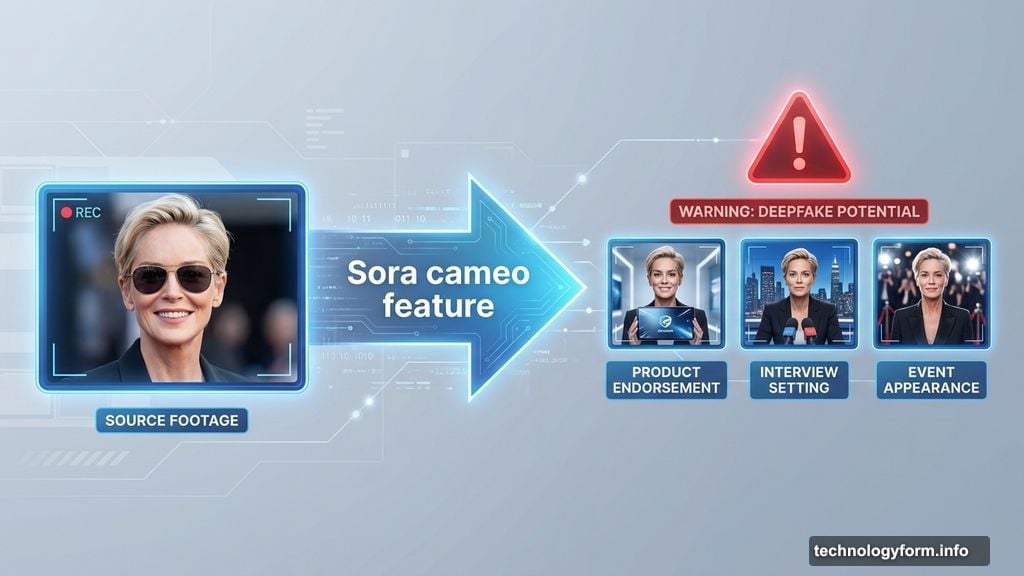
Plus, Sora’s “cameo” feature lets anyone insert real people’s faces into AI-generated scenarios. That means your favorite celebrity could appear endorsing products they’ve never touched or saying things they never said. The technology doesn’t just mimic reality anymore. It manufactures convincing alternate versions of it.
Google’s Veo 3 works similarly. Both tools compete to create the most advanced AI video models, pushing each other to new heights. That competitive pressure drives rapid improvement but also creates serious risks.
Tech companies focus on advancement while the rest of us scramble to keep up. Unions like SAG-AFTRA already pushed OpenAI to strengthen safeguards after seeing how easily their members’ likenesses could be manipulated. But technology moves faster than policy.
Check for the Watermark First
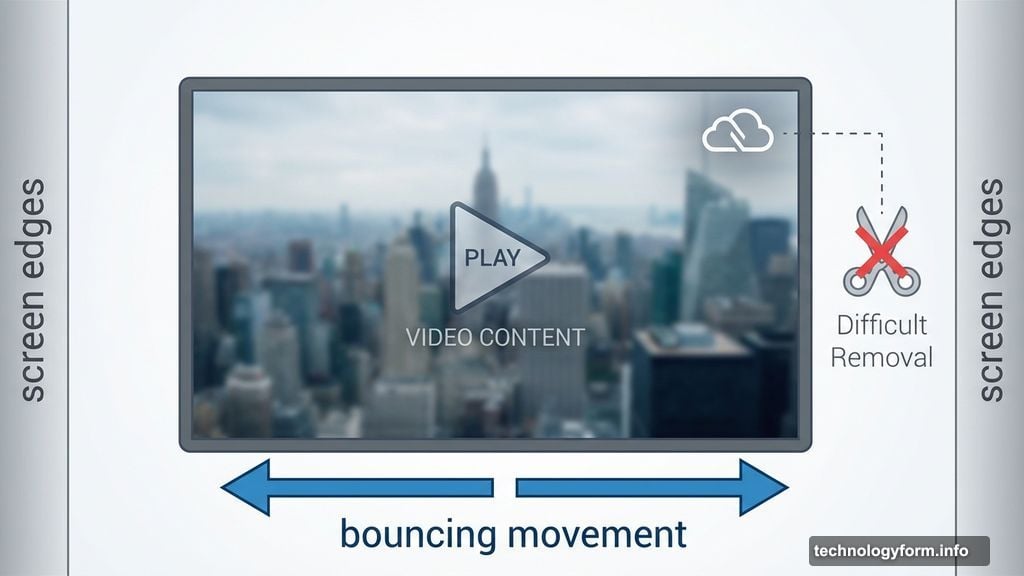
Every Sora video downloaded from the iOS app includes a watermark. Look for the white cloud icon bouncing around the screen edges. It moves like TikTok’s watermark, making it harder to remove than static logos.
Google’s Gemini Nano Banana model takes a similar approach, automatically watermarking its creations. Watermarks provide the clearest visual signal that AI generated what you’re watching.
But watermarks have limitations. Static ones get cropped out easily. Moving watermarks face dedicated removal apps designed specifically to eliminate them. So watermarks help but don’t solve the problem completely.
OpenAI CEO Sam Altman acknowledged this weakness. His response? Society needs to adapt to a world where anyone can create fake videos of anyone. That’s not exactly reassuring. Yet it highlights why we need multiple verification methods beyond just checking for logos.
Dig Into the Metadata
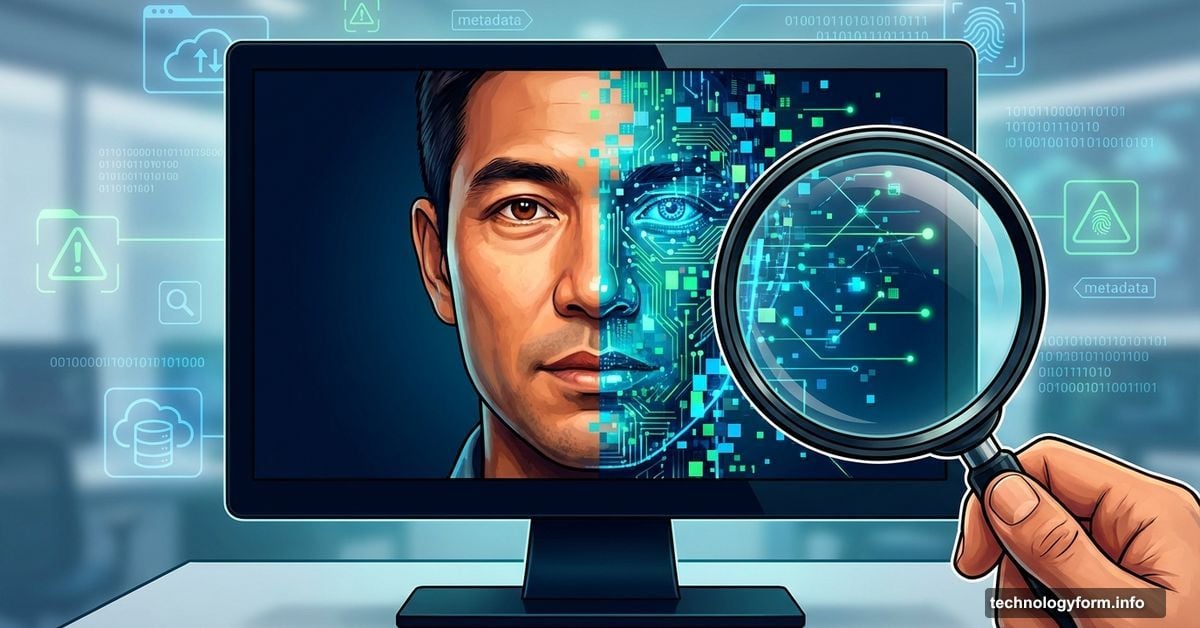
Metadata sounds technical and boring. I get it. But checking it takes less than a minute and reveals exactly how a video was created.
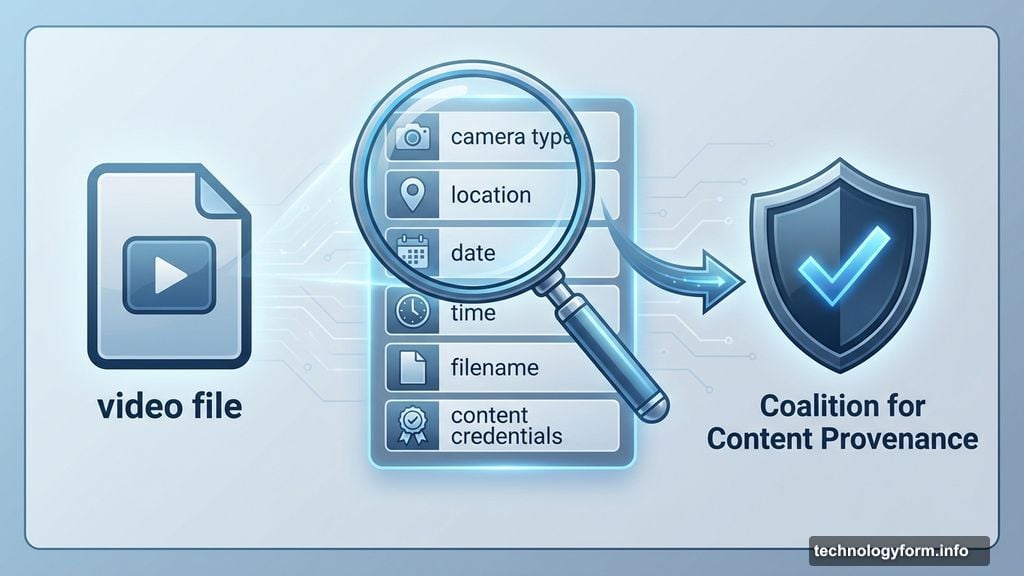
Every digital file carries metadata automatically. It includes camera type, location, date, time, and filename. AI-generated content often includes extra signals called content credentials that flag its artificial origins.
OpenAI joined the Coalition for Content Provenance and Authenticity, meaning Sora videos contain C2PA metadata. Translation? You can verify them using free online tools.
Here’s the simple process:
First, navigate to verify.contentauthenticity.org. Then upload the suspicious video. Click Open. Finally, check the right panel for content summary information.
Sora videos will show “issued by OpenAI” plus confirmation of AI generation. The tool displays creation dates and technical details that help you understand what you’re viewing.
However, this method has gaps. Videos from Midjourney don’t get flagged in my testing. Content run through third-party apps loses its metadata signals. So while metadata checking works great for Sora videos, it struggles with other AI generators.
Look for Platform Labels
Meta’s platforms including Instagram and Facebook use internal systems to flag AI content. When their algorithms detect artificial media, they add visible labels. You’ll see them clearly on flagged posts.
TikTok and YouTube implemented similar policies. These platforms recognize the misinformation risks and try to help users identify synthetic content. But automated detection misses plenty of AI videos while occasionally mislabeling real footage.
The most reliable indicator remains creator disclosure. Many platforms now offer settings that let users mark their posts as AI-generated. Even a simple caption credit helps everyone understand what they’re watching.
Think about it this way. When you share Sora videos outside the app, you know they’re AI. But your audience doesn’t automatically have that context. Disclosure becomes a collective responsibility as these tools become mainstream.
Watch for Visual Glitches
AI video generators struggle with specific details even as overall quality improves. Train your eye to spot these telltale signs.
Text often appears mangled or nonsensical in AI videos. Look closely at signs, documents, or any written words in the frame. If letters blur together or don’t form real words, that’s a red flag.
Objects sometimes disappear between frames. AI models occasionally lose track of items as camera angles change. Watch for sudden vanishing acts that defy logic.
Physics violations happen frequently too. People’s hands might pass through solid objects. Reflections might not match movements. Shadows could fall in impossible directions. These subtle inconsistencies reveal the AI’s imperfect understanding of physical laws.
But here’s the catch. As models improve, these glitches become rarer and subtler. What works to spot fakes today might fail tomorrow.
Trust Your Instincts
No single method catches every AI video. The best defense combines multiple verification techniques with healthy skepticism.
If something feels off, it probably is. That gut reaction matters more than you think. Your brain processes visual information incredibly well, even when you can’t consciously identify specific problems.
Stop scrolling so fast. Actually look at the videos you watch. Question what seems too perfect or too outrageous. Check for the verification signals we discussed: watermarks, metadata, platform labels, visual glitches.
Even experts get fooled occasionally. That’s not failure. That’s the reality of increasingly sophisticated AI tools. The goal isn’t perfect detection. The goal is staying alert and checking suspicious content before believing or sharing it.
The Real Problem Nobody’s Solving
AI companies race to build better video generators while pushing responsibility onto users to detect fakes. That’s backwards.
We need stronger technical safeguards built directly into these tools. Mandatory watermarks that can’t be removed. Metadata that persists through edits and platform uploads. Detection systems that actually work across all AI generators, not just specific ones.
But those improvements take time and reduce the tools’ appeal. Companies want adoption and engagement, not limitations that slow growth. So the burden falls on us to be our own fact-checkers in an increasingly synthetic media landscape.
Stay vigilant. Question what you see. Use the verification tools available. Most importantly, remember that not everything convincing is real anymore. That’s the world AI video generators created, and we’re all learning to navigate it together.