Meta’s AI Video Generator Just Got Its Own App. Nobody Asked For This
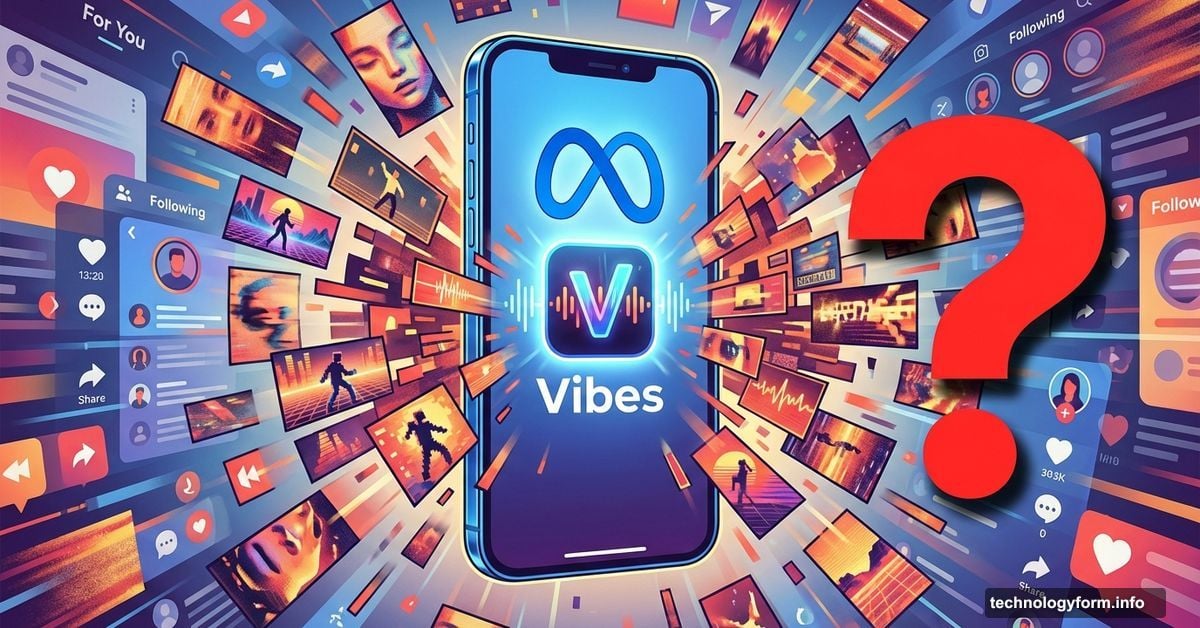
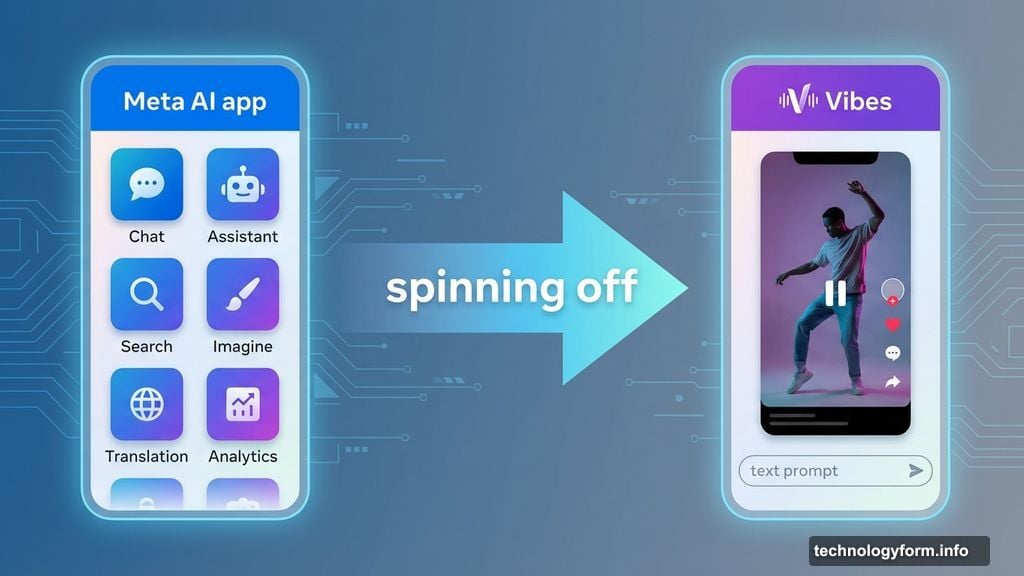
Meta is spinning off Vibes into a standalone app. That’s their AI video generator that creates TikTok-style clips from text prompts.
Why separate it from the Meta AI app? The company claims “strong early traction.” But they won’t share actual usage numbers. That’s never a good sign when a tech company talks about success without providing data.
Here’s what’s really happening. Meta is betting big on AI-generated content flooding your feeds. And they need a dedicated space to develop this technology without cluttering their existing AI assistant.
The Vibes Experiment Started Quietly
Meta launched Vibes inside the Meta AI app back in September 2025. The feature works like OpenAI’s Sora. You type a prompt, and AI generates a vertical video.
Think of it as ChatGPT for TikTok content. Instead of text responses, you get short video clips. The format mimics social media perfectly, with vertical orientation and shareable clips.
So far, Meta has kept usage metrics private. They claim people are “increasingly leaning into the format.” But without numbers, that statement means nothing. Companies typically shout success metrics from the rooftops when products actually perform well.
Why Meta Needs a Dedicated App
Breaking Vibes into its own app gives Meta room to experiment. The Meta AI app serves multiple purposes already. Adding complex video generation features would make it bloated and confusing.
Plus, a standalone app sends a clear message. Meta believes AI-generated videos represent the future of social media content. They want users creating and sharing this stuff constantly.
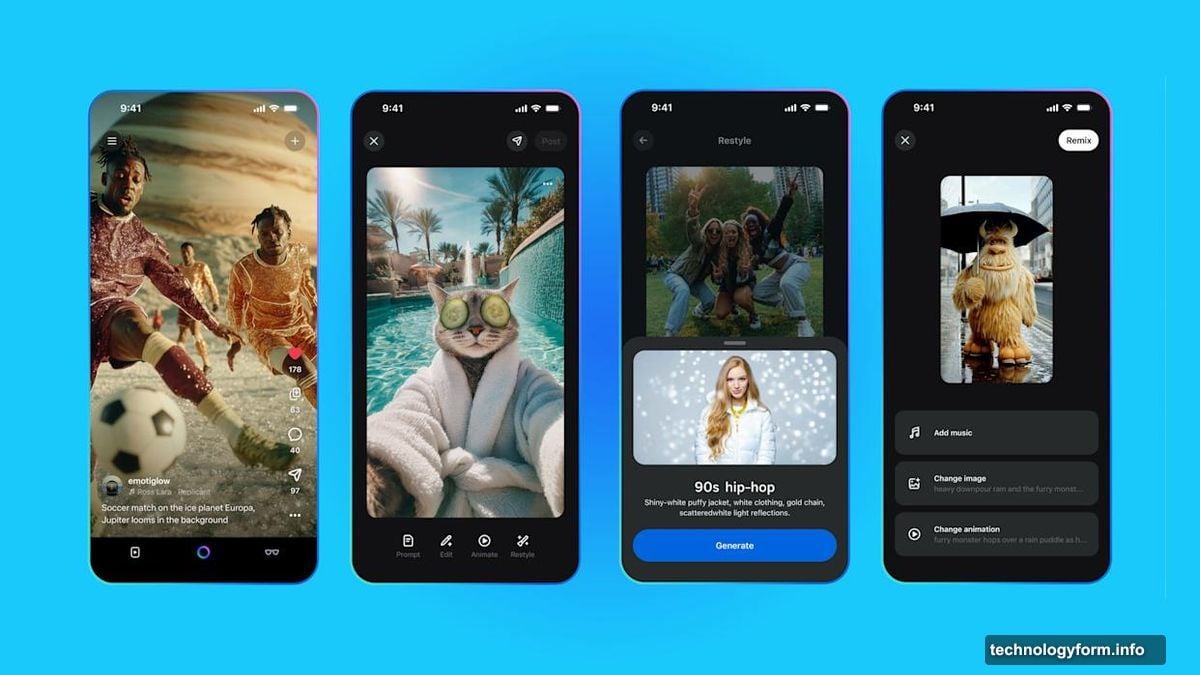
The company even said they’ll expand the app based on community feedback. That suggests they’re planning features beyond basic text-to-video generation. Character persistence, style controls, and collaborative tools could all be coming.
But here’s the catch. Meta hasn’t proven people actually want this yet. They’re building infrastructure for a future that might not materialize.
The OpenAI Arms Race Continues
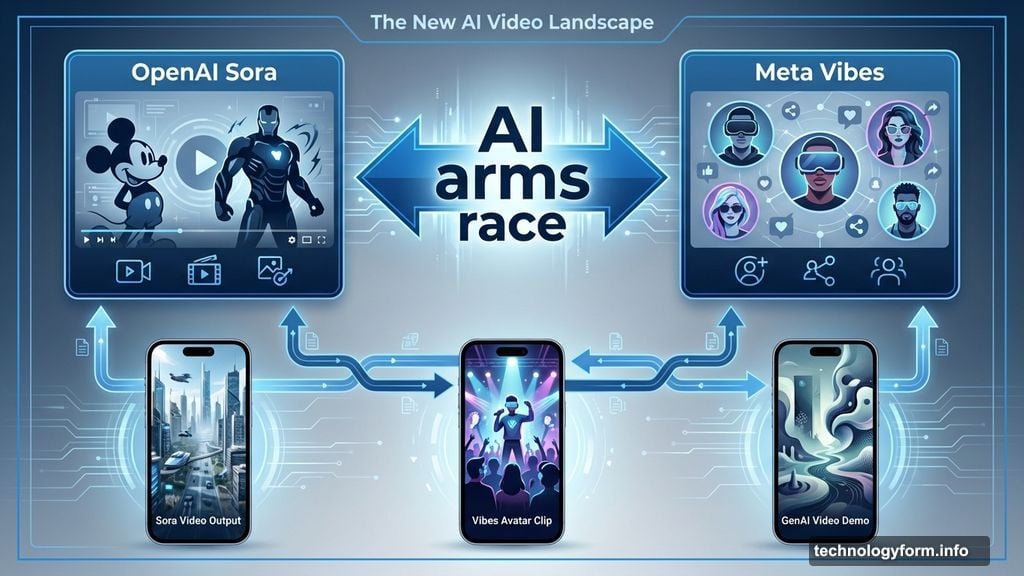
OpenAI keeps iterating on Sora with new features. They added character cameos and celebrity appearances. Then they signed a deal with Disney for branded content generation.
Now you can create videos featuring Mickey Mouse or Marvel characters. That’s a big deal for engagement. People love creating content with recognizable IP.
Meta will likely chase similar partnerships. They’ve licensed celebrity likenesses before for their AI chatbots. Extending that to video generation makes strategic sense. Imagine creating clips with your favorite actors or sports stars.
The competition between Meta and OpenAI is heating up fast. Both companies see AI-generated content as the next major platform shift. Whoever builds the best tools wins the creator ecosystem.
AI Slop Is Coming to Your Feed
Meta said something important during their October 2025 earnings call. They plan to push more AI images and videos into recommendation algorithms.
Translation? Your Facebook and Instagram feeds will soon fill with AI-generated content. Not just from brands or influencers. From regular users creating synthetic videos with Vibes.
This raises obvious questions. How will platforms distinguish between real and AI-generated content? Will disclosure be mandatory? What happens when your feed is 50% synthetic media?
Meta clearly believes AI content will drive engagement. More content means more time on platform. More time means more ad revenue. The incentives are obvious.
But nobody asked for this. Most users already complain about algorithmic feeds showing them content they don’t want. Adding AI slop to the mix won’t improve things.
The Real Problem Nobody’s Discussing
AI video generation technology is impressive. The quality improves rapidly. Soon, most people won’t distinguish between real and synthetic clips.
That creates serious trust issues. When AI-generated content floods social platforms, authenticity becomes impossible to verify. Misinformation becomes trivial to create and spread.
Meta hasn’t addressed these concerns meaningfully. They’re racing to launch features before competitors. Trust and safety considerations come later, if at all.
Moreover, copyright issues remain unresolved. These AI models train on existing content without compensation to creators. Now Meta wants users generating derivative works from that training data. The legal implications are messy.
And what about the environmental cost? AI video generation requires massive compute resources. Each clip created burns energy and produces emissions. Scaling this to billions of users has real planetary impact.
Three Reasons This Could Fail
First, creation fatigue is real. Not everyone wants to be a content creator. Passive consumption still dominates social media usage. Adding more creation tools won’t change fundamental user behavior.
Second, quality control gets harder at scale. AI-generated content can be offensive, inaccurate, or harmful. Moderating billions of synthetic videos created daily presents enormous challenges. Meta already struggles with human-created content moderation.
Third, the novelty wears off quickly. AI generation feels magical initially. But once everyone’s feed fills with similar-looking synthetic clips, the appeal fades. We’ve seen this pattern with every new content format.
What Actually Happens Next
Meta will launch the standalone Vibes app soon. They’ll push it aggressively across their platform ecosystem. Expect integration with Instagram Reels and Facebook Stories.
Some users will love it. Creating custom video content from text prompts has appeal. Meme creators and casual users might adopt it enthusiastically.
But mass adoption isn’t guaranteed. Just because Meta builds something doesn’t mean people use it. Remember Facebook’s cryptocurrency? Meta’s VR social spaces? The company has a track record of forcing products users don’t want.
The real test comes six months after launch. If Meta still won’t share usage numbers then, you’ll know Vibes flopped. Successful products generate metrics companies can’t wait to publicize.
Meanwhile, your social feeds will slowly fill with AI-generated content whether you like it or not. Meta’s algorithmic recommendation system will ensure it. The company’s betting its future on synthetic media. Your preferences don’t factor into that equation.
So get ready for the AI slop era of social media. It’s coming fast, and nobody asked permission.