App Stores Just Became ID Checkpoints. Here’s What Changed
Buying beer requires an ID. Soon, downloading apps might too.
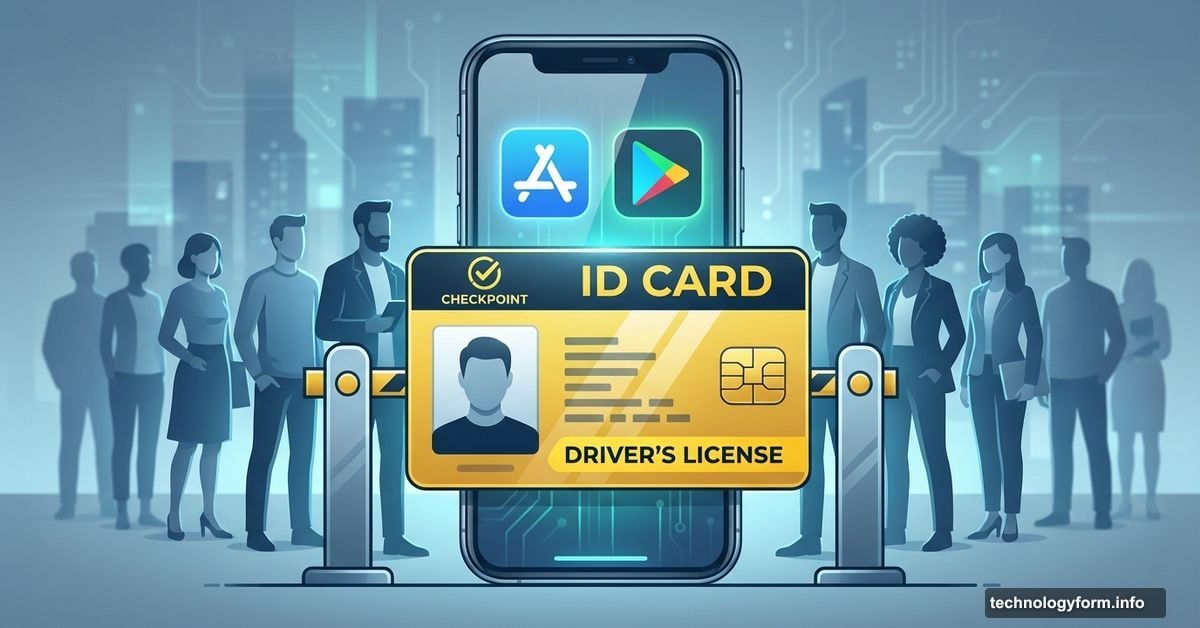
Lawmakers across the US now view app stores as digital gatekeepers that need age verification checkpoints. The shift marks a major change in how governments regulate online access. Plus, it affects every smartphone user, not just kids.
From Porn Sites to App Stores
Age verification online started simple. Show your ID to access adult websites. Just like buying magazines at a corner store.
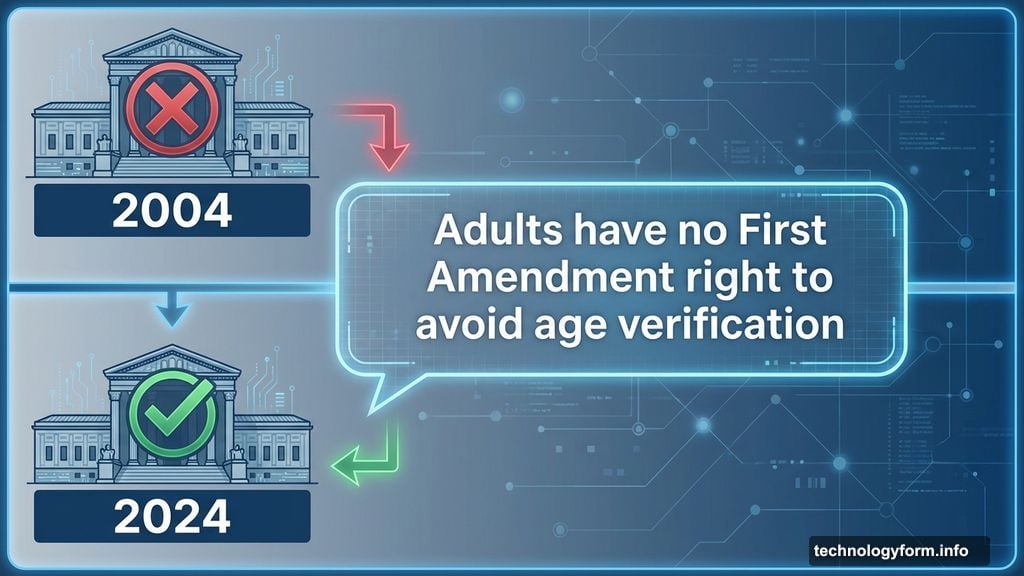
But courts pushed back hard. In 2004, the Supreme Court ruled in Ashcroft v. ACLU that mandating age verification on porn sites violated free speech. The reasoning? Parents could use content filters on their own computers. That seemed less restrictive than forcing websites to check IDs.
For years, that ruling held. Activists focused efforts on individual websites and platforms. They targeted services most likely to expose kids to harmful content.
Then everything shifted in 2024. The Supreme Court effectively reversed course. Justices decided the modern internet required a fresh look at age verification. Their key finding? “Adults have no First Amendment right to avoid age verification.”
That decision cracked open new possibilities. However, verifying ages on social media platforms still faces constitutional challenges. These sites host vast amounts of protected speech alongside potentially harmful content. Courts typically block state laws requiring age checks for social platforms.
So lawmakers found a different target. One with fewer constitutional tripwires.
Apple and Google Become the Gatekeepers
App stores control access to millions of applications. Most users prefer apps over browser-based websites. Apps provide richer experiences and better integration with smartphones.
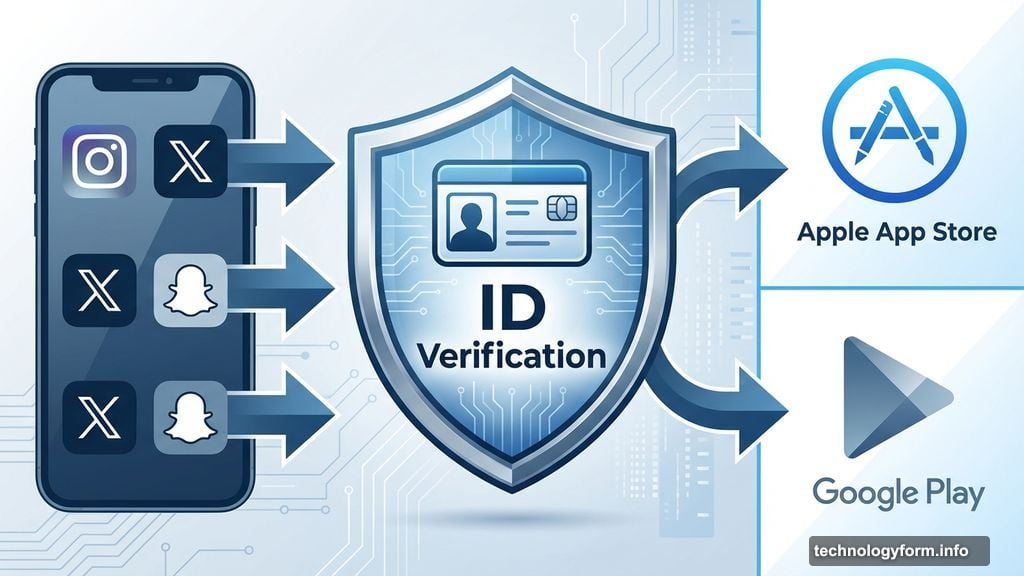
That centralization makes app stores attractive regulatory targets. Instead of policing millions of individual apps, lawmakers can create a single checkpoint. One verification system for Apple’s App Store and Google Play.
The approach gained traction in Utah first. Parent advocacy groups pushed the legislation through. Texas and Louisiana quickly followed with similar laws.
Here’s what surprised everyone. Meta, Snap, and X all backed the approach. Why? It shifts responsibility away from their own platforms onto Apple and Google. If kids encounter harmful content on Instagram or X, the app stores might catch more blame than the platforms themselves.
Apple fought back against these laws. But Google took a different path. The company recently endorsed California’s version, which takes a softer approach. Under California’s model, operating systems collect age information when users create accounts. That data gets shared with app stores and relevant apps.
Google called it “shared responsibility across the ecosystem.” Translation? Everyone should help, not just social platforms.
Federal Bills Enter the Arena
Two competing proposals hit Congress recently. Both appeared in a House package focused on kids’ online safety. But they take radically different approaches.
The App Store Accountability Act mirrors the strict state laws. It requires actual age verification with government-issued IDs or similar proof.
The Parents Over Platforms Act takes California’s softer approach. App stores collect users’ ages during account creation. Then they transmit age signals to developers. No strict verification required.
Sponsors of both bills say they’re open to compromise. But how do you blend mandatory verification with optional age collection? The approaches fundamentally conflict.
Meanwhile, Congress has repeatedly failed to pass kids’ online safety legislation. Despite momentum in the House, these bills face uncertain futures. Plus, a federal judge in Texas just blocked the state’s app store age verification law days before it took effect.
That court battle could eventually reach the Supreme Court. The outcome will determine whether these checkpoints actually get built.
Apple Sees the Writing on the Wall
Despite public opposition, Apple is preparing for change. CEO Tim Cook personally lobbied against these proposals in Congress and with state governors. Yet the company simultaneously introduced parental controls that share kids’ age ranges with app developers.
It’s classic hedging. Fight the laws publicly while building compliance systems privately.
Google already signaled its acceptance by backing California’s approach. The company likely sees age collection as inevitable. Better to shape the regulations than resist them entirely.
But there’s a catch most people miss. While these laws target kids’ safety, they fundamentally change how adults use the internet too. Every user will face new friction when downloading apps. Your age becomes another data point companies collect and store.
That creates privacy risks. Hackers targeting app stores would gain access to massive databases of age-verified identities. One breach could expose millions of users.
What This Means for You
Within a few years, downloading apps might require proving your age. Whether that means uploading a driver’s license photo or simply entering your birthday depends on which laws pass.
Motivated users could sidestep restrictions by accessing websites through browsers instead of apps. But most people won’t bother. They’ll either verify their age or lose access to their favorite services.
Some platforms have already pulled out of states with strict verification laws. Pornhub left Texas entirely. Bluesky briefly exited Mississippi before upgrading its age verification system to comply.
As more states pass similar laws, platforms will likely adapt rather than abandon major markets. Bluesky’s return to Mississippi after upgrading its systems shows the path forward. Companies will build compliance into their infrastructure.
The bigger question is whether Americans will accept this new normal. Will showing ID to download apps feel as routine as showing ID to buy beer? Or will enough users push back that these laws face serious resistance?
The International Context
The US isn’t leading this trend. Australia recently banned social media accounts for kids under 16. Several European countries enforce strict age restrictions on internet services.
America’s First Amendment typically slows age verification mandates. Courts scrutinize these laws more carefully than similar restrictions in other countries. But the Supreme Court’s recent openness to age verification suggests US law is catching up to international standards.
The UK’s shaky rollout of age verification rules provides a cautionary tale. Implementation challenges there show how difficult these systems are to build and maintain at scale.
Still, as verification laws proliferate and become more uniform, platforms will invest in better compliance systems. What seems burdensome today might become seamless tomorrow.
App stores transformed into digital gatekeepers by design. Now lawmakers want to turn them into age checkpoints too. Whether that makes the internet safer for kids or just more restrictive for everyone remains hotly debated.
One thing’s certain. The days of freely downloading any app without proving your age are likely numbered. For better or worse, the corner store ID check is coming to your smartphone.