Setapp Mobile iOS Store Shuts Down Next Month. Users Lose Everything
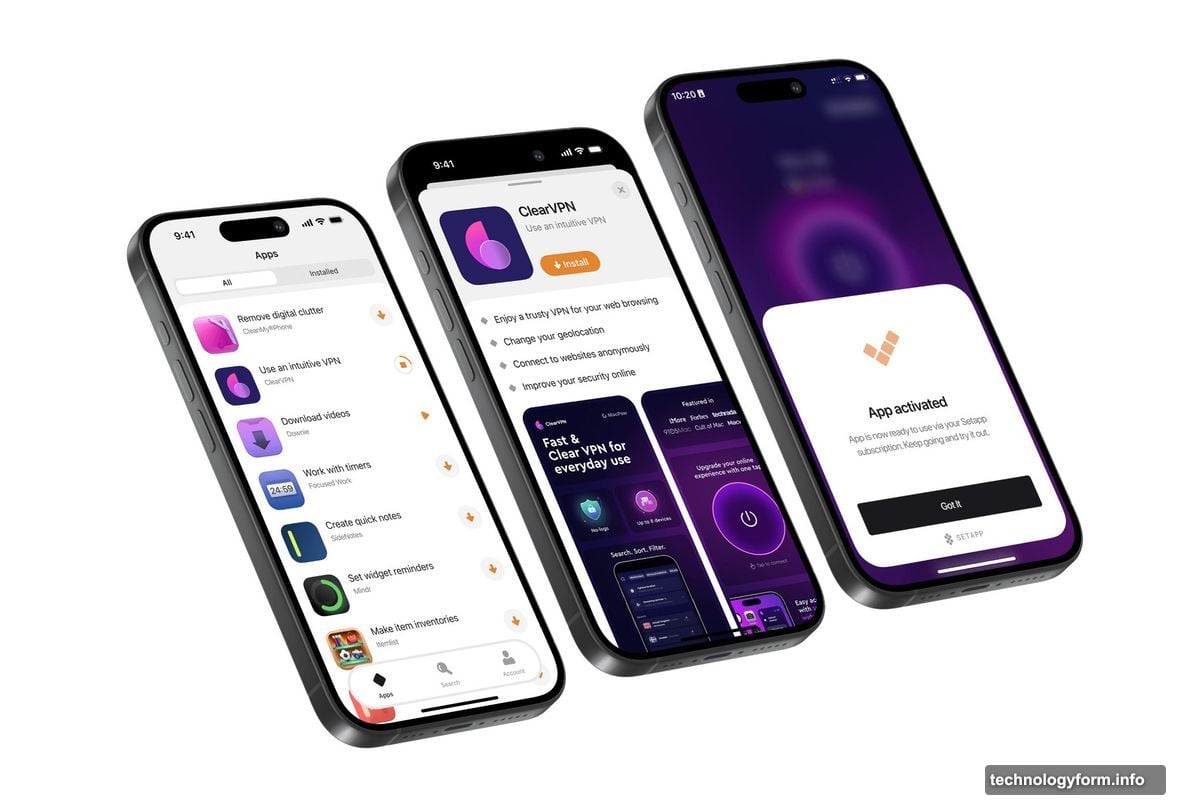
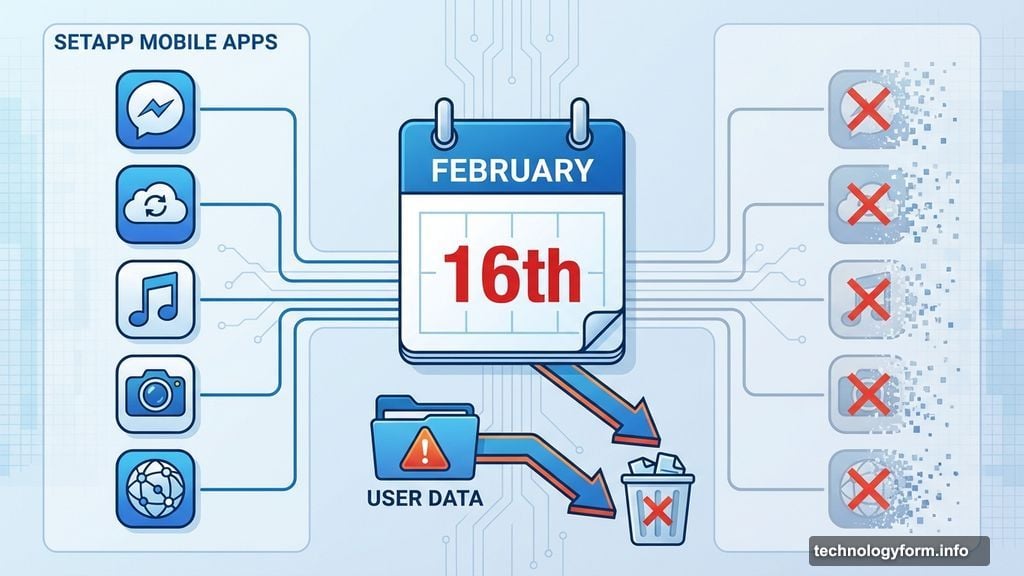
MacPaw is pulling the plug on Setapp Mobile on February 16th. When the service dies, every app you installed through it vanishes too.
The Ukrainian developer announced the shutdown quietly on a support page. No gradual wind-down. No transition period. Just a hard stop that wipes out access to everything you downloaded. Plus, your data disappears with it unless you migrate manually before mid-February.
This marks another blow to alternative iOS app stores in the EU. The Digital Markets Act forced Apple to allow third-party marketplaces. But forcing permission and making them viable are completely different challenges.
Why MacPaw Is Walking Away
The company blames Apple’s business terms. Specifically, they cited “still-evolving and complex business terms that don’t fit Setapp’s current business model.”
Translation? Apple’s rules make it nearly impossible to run a profitable alternative store. The company designed the DMA compliance framework to technically follow the law while keeping competitors at a massive disadvantage.
MacPaw CEO Oleksandr Kosovan told The Verge they’re “disappointed to discontinue Setapp Mobile” but couldn’t sustain it financially. Instead, they’re pivoting to other projects like Eney, an AI assistant for macOS, and improvements to their desktop Setapp service.
Here’s what frustrates me about this. MacPaw built something genuinely useful. Their subscription model gave users access to quality apps without individual purchases. But even a solid product can’t survive when platform economics work against you.
Apple’s DMA Compliance Playbook
Apple technically opened iOS to third-party stores. But they surrounded that opening with so many restrictions that few stores can operate profitably.
The friction starts immediately. Installing apps from alternative stores requires multiple confirmation steps. Users must navigate through warnings that make the process feel dangerous. Meanwhile, App Store downloads happen with one tap.
Then there’s discovery. Apple doesn’t promote alternative stores. They don’t make them easy to find. Users who want them must actively seek them out and overcome installation barriers. That limits the user base to tech-savvy early adopters.
Finally, the fees. Apple still collects commissions on many transactions even when they happen outside the App Store. Those fees eat into already-thin margins for alternative store operators. So even if you succeed at attracting users and developers, profitability remains elusive.
What This Means for Users
If you installed apps through Setapp Mobile, you need to act fast. February 16th is the deadline.
First, identify which apps you use regularly. Make a list. Some might be available through the regular App Store. Others might require finding alternative sources or switching to web versions.
Second, export your data. Many apps store information locally. Check each one for export or backup options. Once Setapp Mobile shuts down, that data becomes inaccessible. There’s no recovery option.
Third, consider whether you want to switch to a different alternative store. AltStore PAL and Epic Games Store still operate in the EU. But they face the same challenges MacPaw encountered. There’s no guarantee they’ll survive long-term either.
The Bigger Pattern
Setapp Mobile joins a growing list of alternative stores that struggled or failed in the EU market. The DMA promised competition. What we got instead is a masterclass in malicious compliance.
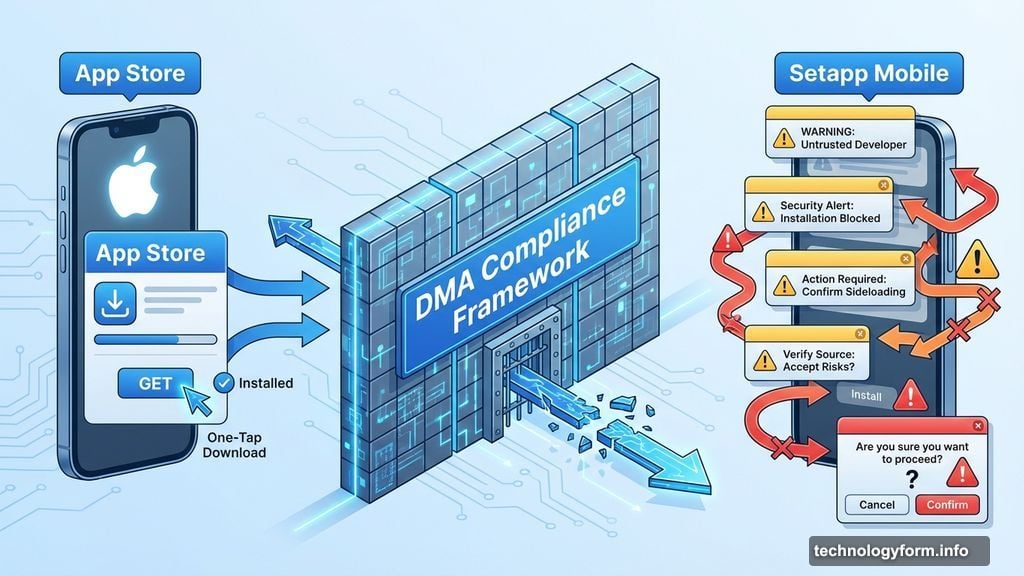
Apple followed the letter of the law. They allow alternative stores. But they engineered the implementation to make success nearly impossible. High fees, installation friction, and lack of promotion combine to strangle competition before it can establish itself.
Moreover, most users simply don’t care about alternative stores. They’re comfortable with the App Store. It works well enough. The benefits of alternatives don’t outweigh the hassle of setting them up. So even when alternative stores exist, adoption remains minimal.
That leaves developers in a bind. Building for alternative stores means reaching a tiny audience while navigating Apple’s complex rules. Most choose to stick with the App Store instead. Without developer support, alternative stores can’t offer compelling app selections. Without compelling apps, they can’t attract users. It’s a vicious cycle.
What Happens Next
AltStore PAL and Epic Games Store continue operating for now. But Setapp Mobile’s shutdown raises questions about their long-term viability.
Epic has deep pockets and a philosophical commitment to fighting Apple’s policies. They can sustain losses that smaller operators can’t. But even Epic faces the same fundamental challenges around user adoption and developer interest.
AltStore PAL operates on a smaller scale with a dedicated niche audience. That might help them survive where broader marketplaces struggle. Smaller ambitions mean lower costs and less pressure to achieve mainstream success.
Meanwhile, Apple continues refining its DMA compliance strategy. Each iteration adds more restrictions or fee structures that squeeze alternative stores. The company clearly learned from the first wave of stores that getting around malicious compliance is hard when you don’t control the platform.
The Harsh Reality
Alternative iOS stores sounded great in theory. The DMA promised to break Apple’s monopoly and give users more choice. Instead, we’re watching stores shut down one by one.
MacPaw’s decision shows that good intentions and solid execution aren’t enough. You also need favorable platform economics. Apple controls those economics completely. So they dictate who succeeds and who fails.
Users will lose access to their apps next month. Developers will lose a distribution channel. But Apple’s App Store will hum along unchanged. That’s not how competition is supposed to work. But it’s exactly how malicious compliance plays out.
Back up your data before February 16th. Because once Setapp Mobile dies, it’s not coming back.