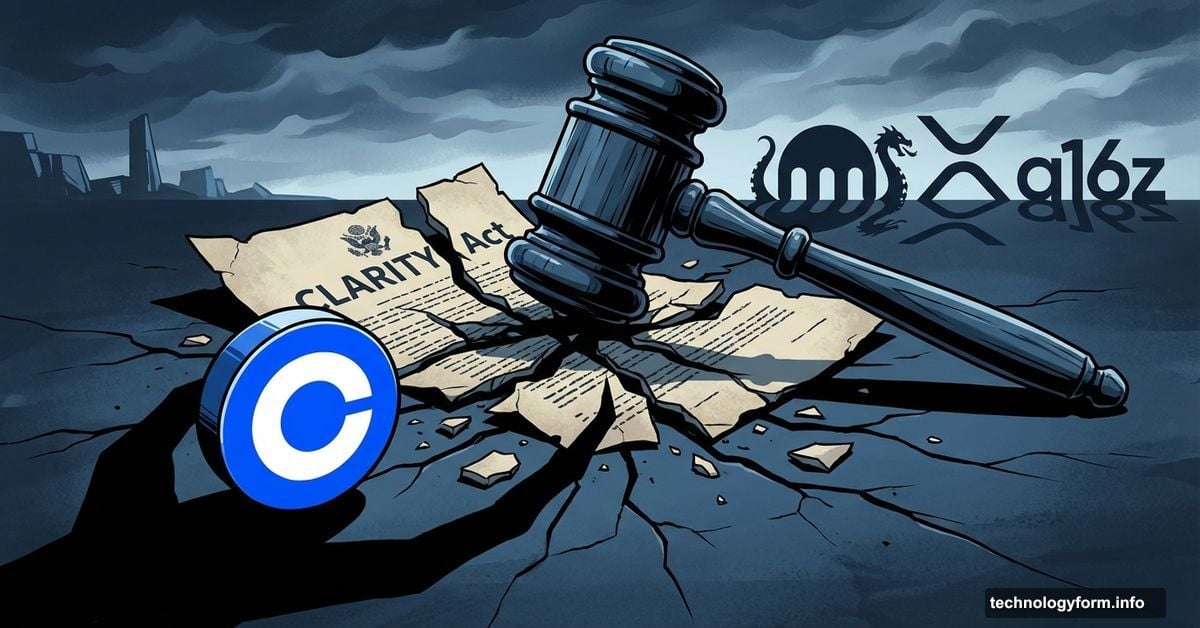
Coinbase Just Killed Crypto’s Best Shot at Clear Rules
The crypto industry had one job this month. Pass a law that finally spelled out how digital assets work in America.
Then Coinbase torpedoed the whole thing at midnight on Wednesday. One tweet from CEO Brian Armstrong derailed years of bipartisan work. Now the rest of crypto is furious.
What Actually Happened
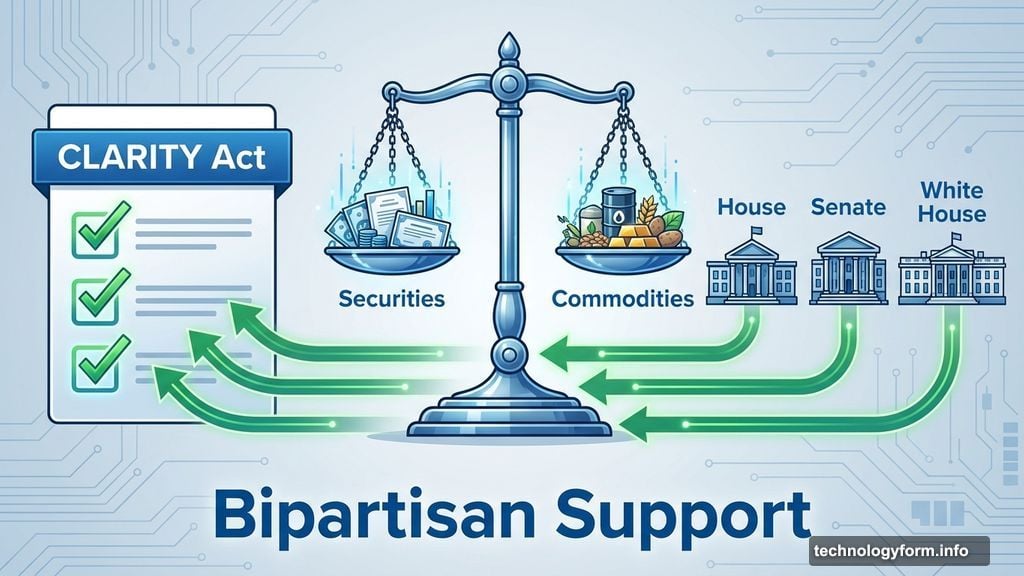
The Senate Banking Committee was set to finalize the CLARITY Act on Thursday morning. This bill would establish the basic framework for crypto regulation in the US. It defined which digital assets counted as securities versus commodities. It outlined what companies had to do to operate legally. It gave consumers actual legal protections.
Both the House and Senate supported it. The White House stood ready to sign. Democrats and Republicans had reached consensus on the fundamentals. After years of operating in a regulatory gray zone, crypto would finally have clear rules.
But hours before the Thursday markup session, Coinbase pulled its support. Armstrong claimed the final draft had become “a bad bill” and blamed big banks for last-minute lobbying against crypto wallets.
His main concern? Whether crypto owners could earn interest on stablecoins the same way bank customers earn interest on savings accounts. Coinbase offers exactly this kind of yield-bearing stablecoin account. So this provision hits their business model directly.
Senate Banking Committee chairman Tim Scott immediately cancelled the markup. He called it a “brief pause” to renegotiate. But the damage was done.
The Rest of Crypto Isn’t Having It
Nearly every major crypto player publicly backed the Senate bill anyway. That includes Coinbase’s direct competitors.
Kraken CEO Arjun Sethi released a statement on Thursday supporting the CLARITY Act. He said reasonable people can disagree on specific provisions but shouldn’t abandon years of progress over them. Instead, he urged the industry to work through the final negotiation stage.
Ripple CEO Brad Garlinghouse agreed. So did Chris Dixon from a16z. Even David Sacks, the White House special advisor on AI and crypto, told Coinbase to resolve their differences before month’s end.
The message was clear. Most of crypto would rather have imperfect rules than no rules. Only Coinbase seems willing to gamble on getting a better deal later.
But there might not be a later.
The Clock Just Started Ticking
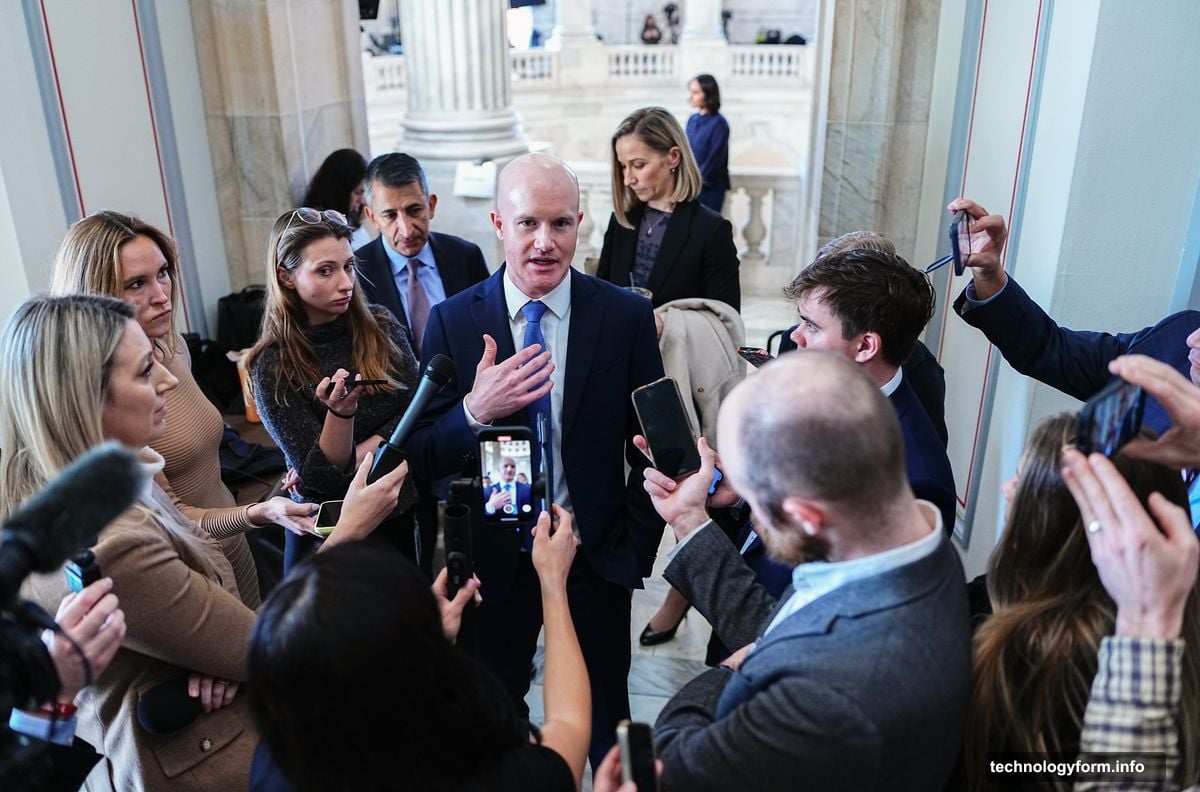
Congress has maybe three weeks to salvage this bill. After that, election season kills any chance of bipartisan cooperation.
Midterm campaigns start in March. Once that happens, supporting crypto legislation becomes politically toxic. Voters angry about the Trump administration will view any crypto bill as supporting Trump. Plus, Senate Republicans are actively trying to block a Democratic provision that would prevent Trump from profiting off crypto assets.
That gives the Banking Committee less than a month to renegotiate language, mark up the revised bill, send it to the Senate Agriculture Committee for more negotiations, and somehow get it to the Senate floor for a full vote.
Floor time is scarce too. Most of it will burn on averting government shutdowns. Getting all 100 senators in one room to vote requires careful scheduling that takes weeks.
Waiting until next year won’t work either. Republicans will likely lose control of either the House or Senate in the midterms. Then Democrats can block CLARITY for whatever reason they choose. And while the current president supports crypto, nobody knows who comes next or how they’ll feel about digital assets.
Seth Hertlein, global head of policy at Ledger, put it bluntly. “Will we ever have a setup as favorable as we do right now? Hard to imagine.”
Why DC Insiders Are Frustrated
Policymakers feel like Coinbase just reopened a settled debate. The House spent years writing their version of this bill. It passed last August with overwhelming bipartisan support.
The Senate version had to accommodate new demands from the finance industry and progressive Democratic senators. Fair enough. But the basic framework matched what the House already approved.
Then Coinbase swooped in at the last second with objections. Armstrong’s concerns might be legitimate for his business. But his timing couldn’t be worse for the industry as a whole.
There’s also a running joke in Washington: “The Senate is where House bills go to die.” The Senate insisted on writing its own version instead of just passing the House bill. Now that decision looks increasingly expensive.
The Real Stakes Nobody Mentions
Crypto has operated without clear rules for over a decade. Companies constantly worry that what’s legal today becomes illegal tomorrow when a new administration takes over.
Connor Brown from the Bitcoin Policy Institute explained the core problem. Every time a new president comes in, the rules around what you can do with software or what you can publish potentially change. That uncertainty makes it impossible to build sustainable businesses.
The CLARITY Act would fix that. Not perfectly, but permanently. Companies would finally know what they could and couldn’t do. Consumers would understand their rights. Innovation could happen within predictable boundaries.

Coinbase just sacrificed that certainty for a better deal on one provision. A provision that directly affects their profit margins but matters less to the rest of the industry.
The industry spent years and millions of dollars getting Congress to this point. Armstrong’s midnight objection might have wasted all of it.
What Happens Next
The Senate has three options. First, they could cave to Coinbase’s demands and renegotiate the stablecoin interest provisions. That burns precious time and might alienate other stakeholders.
Second, they could ignore Coinbase and pass the bill anyway. The rest of the industry clearly supports this approach. But Coinbase wields significant political influence through lobbying and campaign contributions.
Third, they could abandon the bill entirely and try again next year under much worse political conditions.
None of these options look great. Meanwhile, crypto companies continue operating in legal limbo. Consumers lack clear protections. And the window for bipartisan legislation gets smaller every day.
Coinbase bet that they could force better terms by threatening to tank the whole bill. We’re about to find out if the rest of crypto calls their bluff.