NVIDIA Still Plans Massive OpenAI Investment Despite Deal Confusion
NVIDIA plans to pour serious money into OpenAI. But the numbers keep changing, and the tech world is trying to figure out what’s actually happening.
CEO Jensen Huang told reporters this weekend that NVIDIA will “invest a great deal of money” in OpenAI’s latest funding round. In fact, he called it potentially “the largest investment we’ve ever made.” Yet just days earlier, reports suggested their previously announced $100 billion deal was falling apart.
So what’s really going on? Let’s untangle this mess.
The $100 Billion Deal That Wasn’t
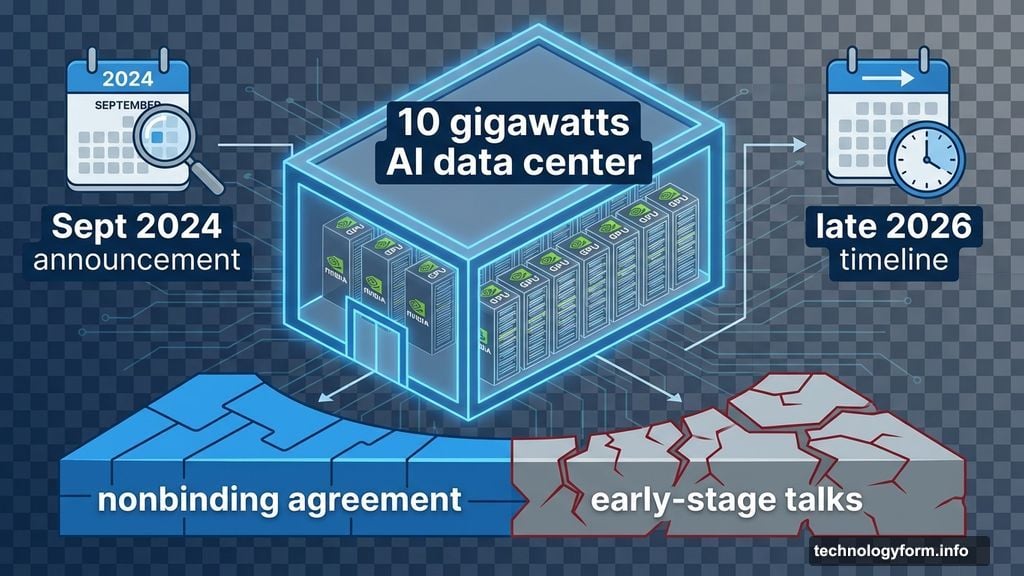
NVIDIA and OpenAI made waves in September 2024 with a joint announcement. They planned to build 10 gigawatts of AI data centers together. The price tag? Up to $100 billion.
The timeline seemed ambitious but achievable. First phase would go online in late 2026. It sounded like a done deal.
But The Wall Street Journal threw cold water on that story Friday. Sources close to the discussions revealed the agreement never progressed beyond early-stage talks. Moreover, Huang reportedly criticized OpenAI’s business strategy as undisciplined behind closed doors.
That’s a pretty harsh assessment from someone supposedly investing $100 billion.
Huang Pushes Back Hard
Speaking to reporters in Taipei this weekend, Huang called The Wall Street Journal’s claims “nonsense.” He defended OpenAI strongly, calling them “one of the most consequential companies of our time.”
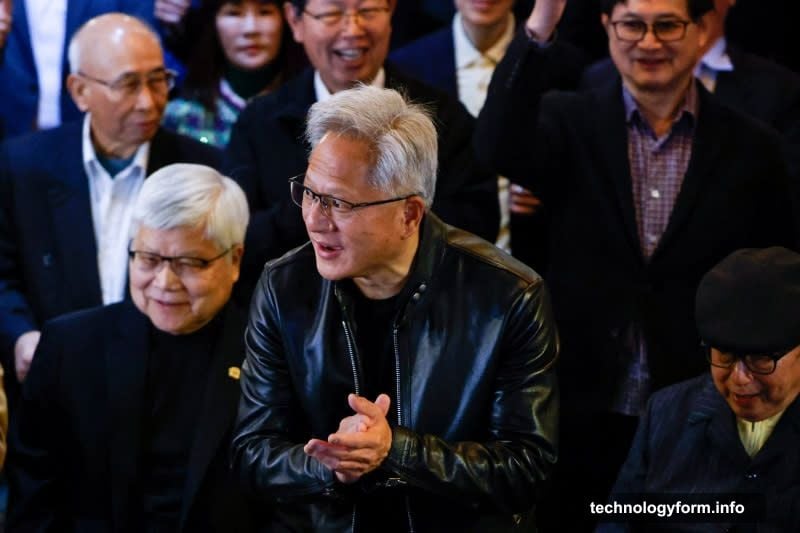
However, he also clarified something crucial. NVIDIA’s actual investment won’t approach $100 billion. Not even close.
So which is it? Huge investment or walking back commitments?
The answer seems to be both. NVIDIA still plans significant investment. But the September announcement appears to have been more aspirational than concrete. The $100 billion figure represented a maximum potential, not a firm commitment.
Plus, Huang pointed out the original agreement was nonbinding. That’s corporate speak for “we can change our minds.”
Why the Confusion Matters
These mixed signals create real problems. OpenAI relies on massive computing power from partners like NVIDIA. Their AI models require enormous infrastructure investments that most companies can’t afford alone.
NVIDIA, meanwhile, needs customers who’ll buy their high-end AI chips. OpenAI represents one of their biggest potential buyers. So both companies benefit from this partnership working.
But vague commitments and public contradictions don’t inspire confidence. Investors watching this space need clarity on who’s spending what and when.
Moreover, other AI companies are paying attention. If NVIDIA and OpenAI can’t lock down firm commitments, competitors might swoop in with better terms.
The Real Investment Size
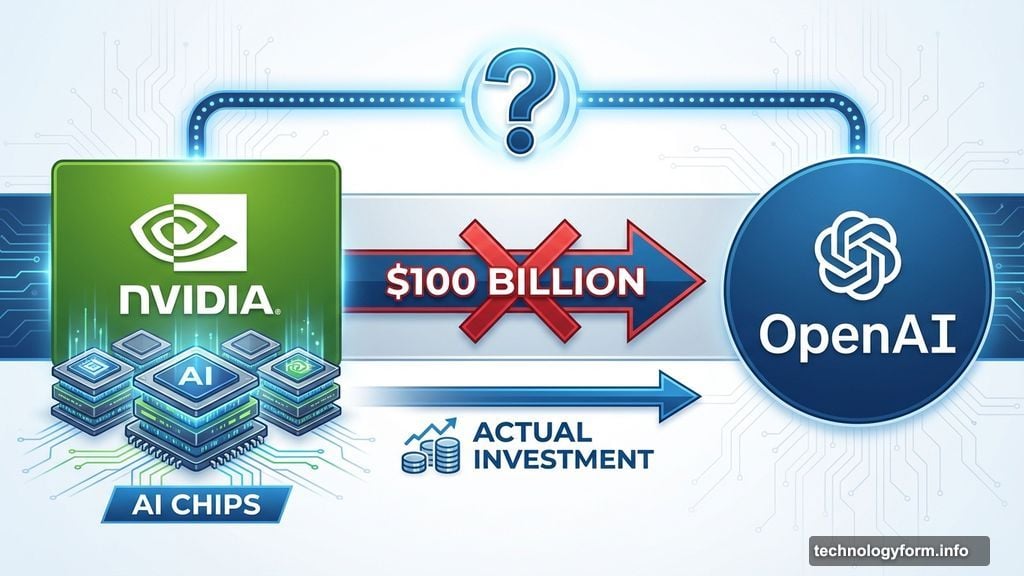
Bloomberg reports Huang confirmed NVIDIA will still invest heavily in OpenAI’s current funding round. Just not $100 billion worth.
What does “heavily” mean? Huang didn’t specify exact numbers. But for context, NVIDIA’s previous investments in AI startups typically ranged from hundreds of millions to a few billion dollars.
So we’re probably looking at billions, not tens of billions. Still massive by most standards. But way below the headline-grabbing figure from September.
The data center project might still happen eventually. However, it won’t happen on the timeline or scale originally suggested. Those plans require regulatory approvals, site selection, construction permits, and power grid capacity that take years to arrange.
What This Means for AI Development
OpenAI needs two things right now. Money and computing power. NVIDIA can provide both, but apparently on different terms than previously announced.
The funding round Huang referenced will inject cash into OpenAI’s operations. That helps them continue training larger models and expanding their services. But it doesn’t directly add computing capacity.
For that, OpenAI still relies on Microsoft’s infrastructure deal. Microsoft invested billions in OpenAI partly in exchange for exclusive cloud computing arrangements. Those agreements give OpenAI access to massive Azure datacenters packed with NVIDIA GPUs.
So even without the $100 billion NVIDIA deal, OpenAI isn’t stuck. They’ve got computing resources through Microsoft. NVIDIA’s investment adds financial flexibility but doesn’t fundamentally change OpenAI’s technical capabilities.
Reading Between the Lines
Here’s what Huang’s comments actually reveal. NVIDIA believes in OpenAI’s technology and market position enough to invest heavily. But they’re not writing blank checks.
The criticism about business discipline suggests NVIDIA wants OpenAI to demonstrate clearer paths to profitability. Training AI models costs astronomical amounts. Those expenses need to translate into sustainable revenue eventually.
Meanwhile, calling their agreement nonbinding gives NVIDIA flexibility. If OpenAI’s strategy shifts or competitors emerge with better opportunities, NVIDIA can adjust their commitments accordingly.
That’s smart business, even if it creates public confusion.
The Bigger Picture
This situation highlights a fundamental tension in AI development right now. Building cutting-edge AI requires unprecedented capital and infrastructure. But nobody knows yet which business models will actually work long-term.
NVIDIA thrives either way. Whether OpenAI succeeds wildly or struggles, companies will keep buying NVIDIA’s chips to train and run AI models. So NVIDIA can afford to be selective about partnerships.
OpenAI, despite its success with ChatGPT, still needs to prove it can turn technological leadership into durable profits. That pressure explains why Huang might push for more business discipline before committing massive sums.
The AI arms race continues accelerating. But the companies racing are learning to be more cautious about splashy announcements versus actual commitments. Expect more deals like this one where initial headlines don’t match eventual reality.
For now, NVIDIA will invest heavily in OpenAI. Just not $100 billion heavily. And the massive data center project remains somewhere between ambitious vision and concrete plan. We’ll see which direction it moves over the coming months.