ChatGPT Go Just Hit 16 Asian Countries. Google Should Be Nervous
OpenAI dropped ChatGPT Go in 16 new Asian markets this week. The move signals something bigger than simple expansion.
This isn’t just about adding countries to a map. OpenAI is betting on a pricing strategy that could reshape how millions of people access AI. Plus, they’re doing it while burning billions of dollars.
Let’s unpack what’s actually happening here.
The $5 Gambit
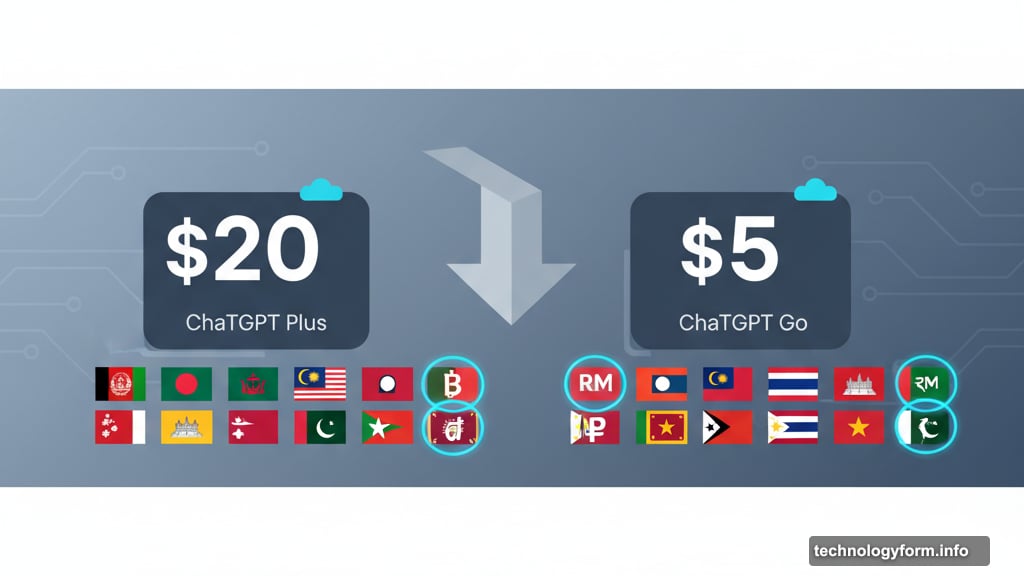
ChatGPT Go now works in Afghanistan, Bangladesh, Bhutan, Brunei, Cambodia, Laos, Malaysia, Maldives, Myanmar, Nepal, Pakistan, the Philippines, Sri Lanka, Thailand, East Timor, and Vietnam.
The price stays under $5 in most places. However, OpenAI made a smart move in five key markets. Users in Malaysia, Thailand, Vietnam, the Philippines, and Pakistan can pay with local currency.
That matters more than it sounds. Forcing customers to convert USD creates friction. Every conversion step loses potential subscribers. So OpenAI removed that barrier in their biggest target markets.
The remaining countries pay in USD at roughly $5, adjusted for local taxes. That’s still accessible compared to the $20 standard ChatGPT Plus plan.
What You Actually Get
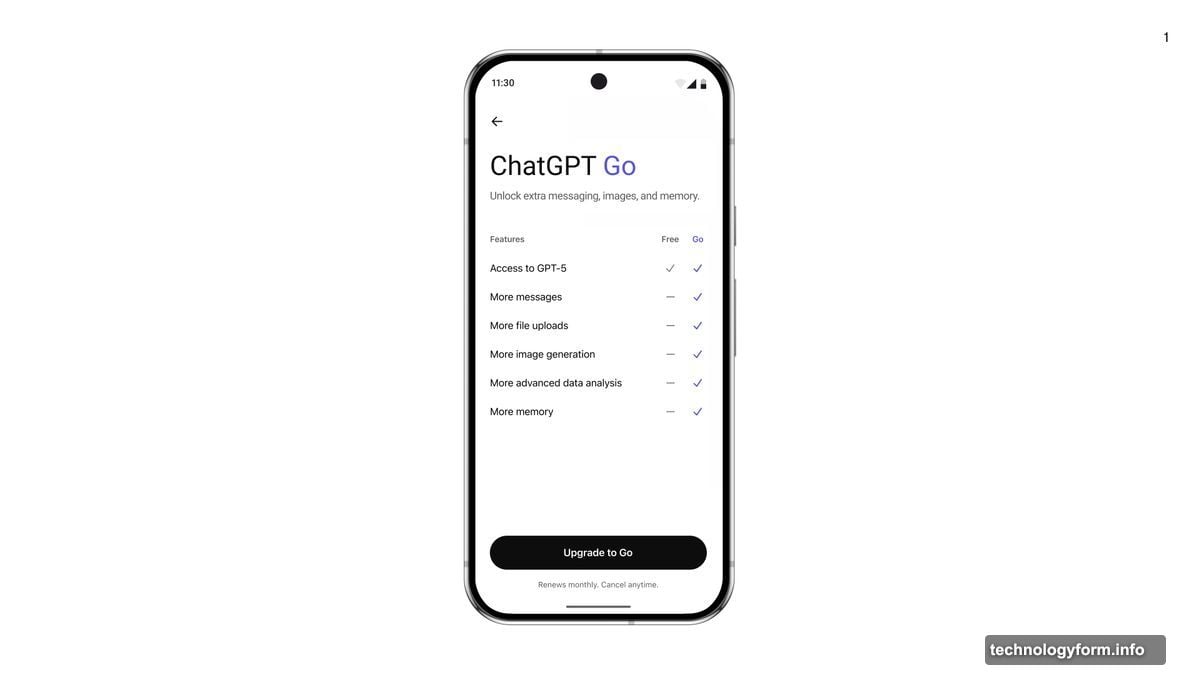
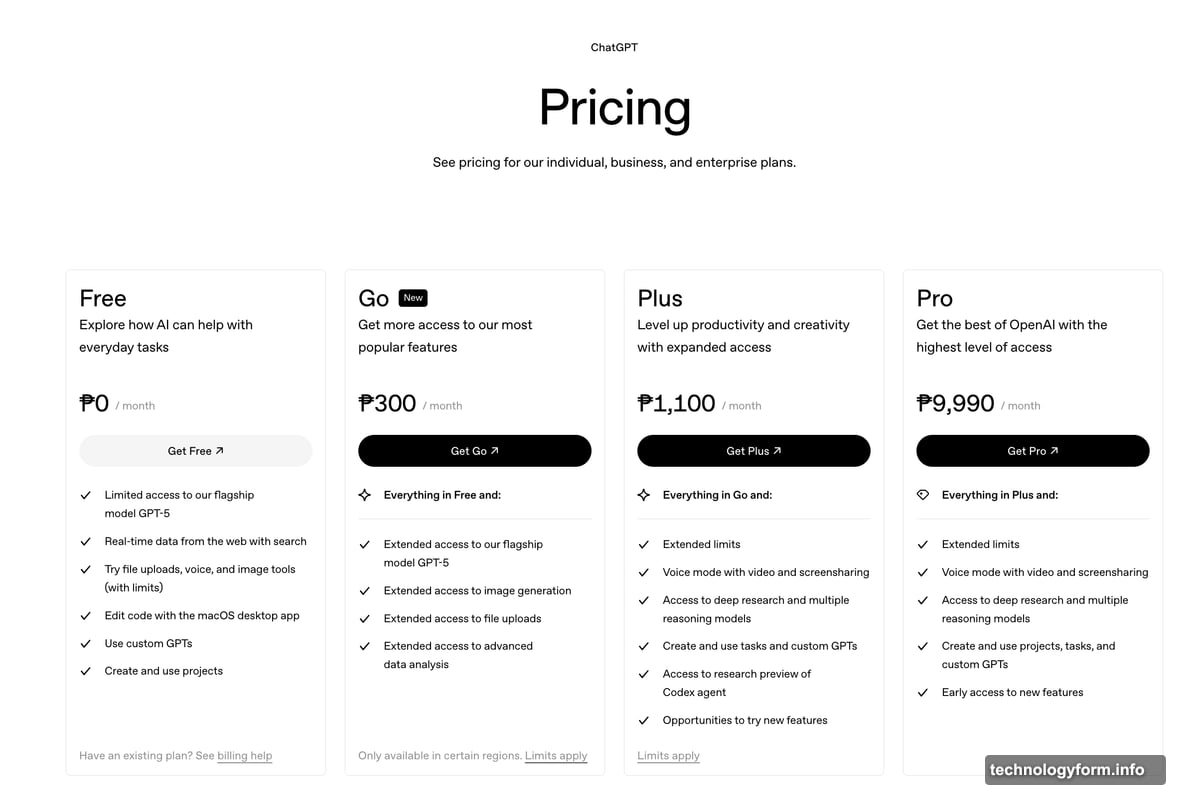
ChatGPT Go isn’t just a cheaper version with fewer features. The plan includes higher daily limits for messages, image creation, and file uploads.
Plus, subscribers get double the memory capacity. That means the AI remembers more context from previous conversations. So responses become more personalized over time.
OpenAI reports their Southeast Asian user base grew 4x since launching these affordable tiers. In India, where Go launched first in August, paid subscribers doubled.
Those numbers explain why OpenAI is pushing so hard into Asia. The market is responding.
Google Isn’t Standing Still
Google launched its own budget AI plan at similar pricing. The Google AI Plus tier arrived in Indonesia last September, then expanded to over 40 countries.
Google’s offering includes access to Gemini 2.5 Pro, their most advanced model. Subscribers also get creative tools like Flow for design, Whisk for image remixing, and Veo 3 Fast for video creation. Plus 200GB of cloud storage.
That’s a different value proposition. OpenAI focuses on conversational AI. Google bundles in productivity tools and storage.
Both companies are fighting for the same customers. Neither wants to cede ground in high-growth Asian markets.
The App Store Play
OpenAI announced something fascinating at DevDay 2025 this week. ChatGPT now runs apps directly inside the chat interface.
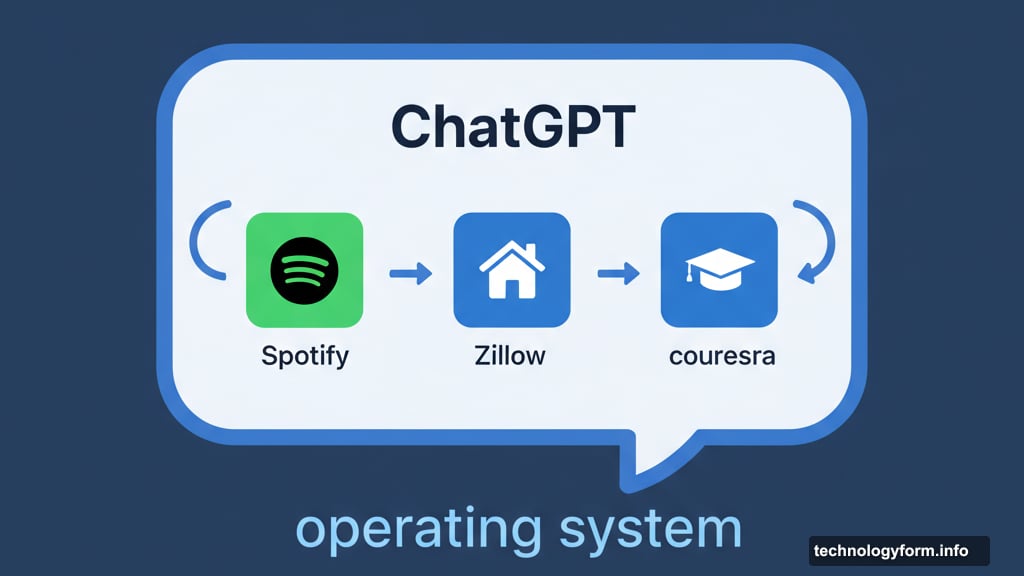
Think of it like an app store. Spotify, Zillow, and Coursera already joined. Users can access these services without leaving ChatGPT.
Nick Turley, who leads ChatGPT development, explained the vision clearly. “The evolution we’re trying to make over the next few years is one where ChatGPT itself is more like an operating system.”
That’s ambitious. Also potentially transformative. If ChatGPT becomes the place where people accomplish tasks instead of just asking questions, it changes everything.
But it also requires massive scale. Which brings us to the uncomfortable part.
The Money Problem
ChatGPT hit 800 million weekly active users globally. That’s up from 700 million in August. Growth is explosive.
Yet OpenAI reported a $7.8 billion operating loss in the first half of 2025. They’re spending heavily on AI infrastructure while revenue struggles to keep pace.
The company’s recent $500 billion valuation suggests investors believe the path to profitability exists. However, burning billions quarterly isn’t sustainable forever.
That’s why ChatGPT Go matters so much. These affordable tiers need to convert massive user numbers into recurring revenue. The math only works if millions of users in Asia decide $5 monthly is worth paying.
So far, the early signals look promising. India’s subscriber doubling suggests people will pay when the price feels right.
What Comes Next
OpenAI is racing to build an ecosystem before competitors catch up. The app integration strategy could work. But it requires developers to build for ChatGPT instead of traditional platforms.
Google has its own advantages. The Gemini integration with Google Workspace gives them distribution Microsoft would envy. Plus their creative tools appeal to different use cases.
Meanwhile, both companies are learning what works in emerging markets. Local currency payment options matter. Pricing needs to reflect local purchasing power. Feature sets need to match actual user needs.
The winner in Asia won’t necessarily be whoever has the best AI model. It’ll be whoever understands these markets best and adapts fastest.
OpenAI made a smart move with ChatGPT Go. They’re trading margin for volume in markets where that trade makes sense. Whether it leads to profitability or just faster cash burn remains to be seen.
But one thing is clear. The AI chatbot wars just went global. And the battlefield shifted to regions where billions of potential users are making their first choice about which AI assistant to trust.