Google Ditched the AI Hype. Now It’s Chasing What Works
Google’s 2025 was all about flashy AI models. Veo 3 videos turned heads. Gemini 3 spooked competitors. But 2026 tells a different story.
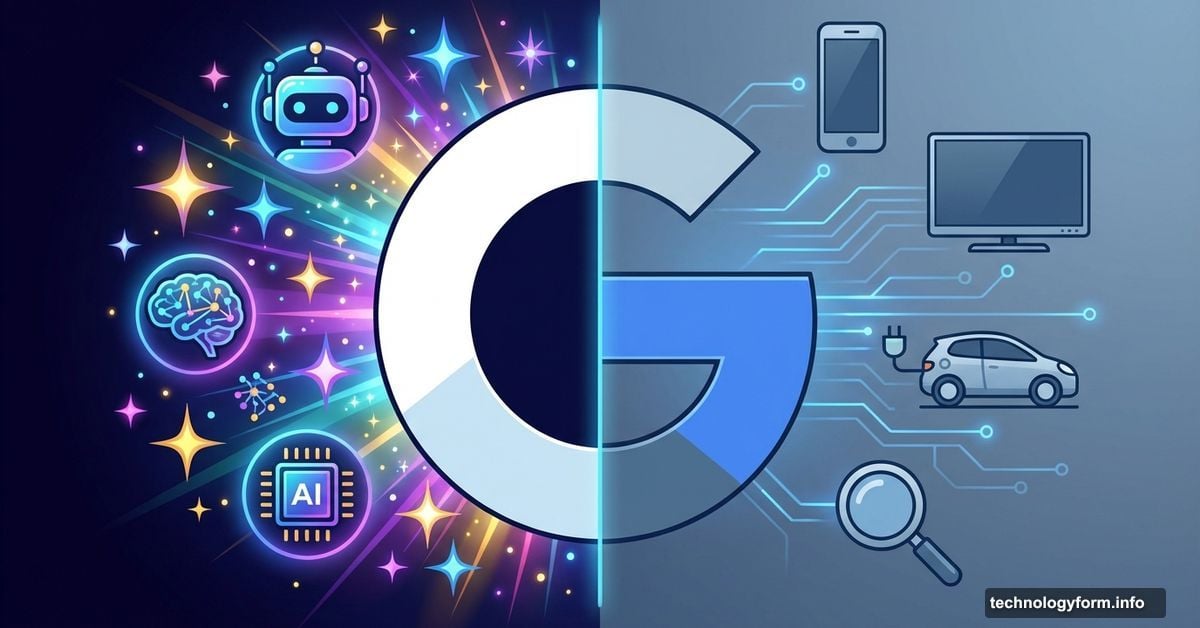
Sameer Samat, president of Android Ecosystem at Google, calls it “AI utility.” The company spent last year building impressive tech. Now it’s figuring out how to make that tech actually useful in your pocket, on your TV, or inside your car.
That shift matters more than another benchmark-topping model.
From Curiosity to Everyday Tools
Google’s AI evolution mirrors how we all experienced the internet. Remember when having email felt revolutionary? Then it became boring infrastructure you couldn’t live without.
AI is hitting that transition now. The novelty wore off. People stopped asking “What can AI do?” and started asking “Why would I use this?”
Samat sees 2025 as the curiosity phase. Companies raced to show off capabilities. Users experimented with chatbots and image generators because they were new and weird. But that wears thin fast.
So Google’s 2026 strategy focuses on practical integration. Not another mind-blowing demo. Instead, AI features that solve actual problems without you thinking about them.
AI Moves Beyond Your Phone Screen
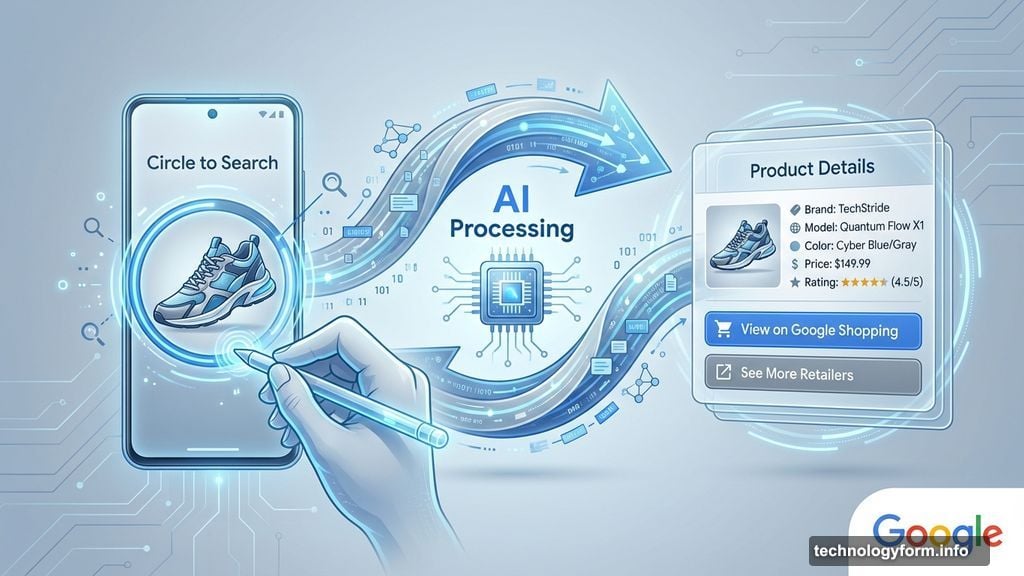
Android devices already got practical AI upgrades. Circle to Search lets you draw on your screen to identify objects or get info. No app switching. No typing. Just circle and go.
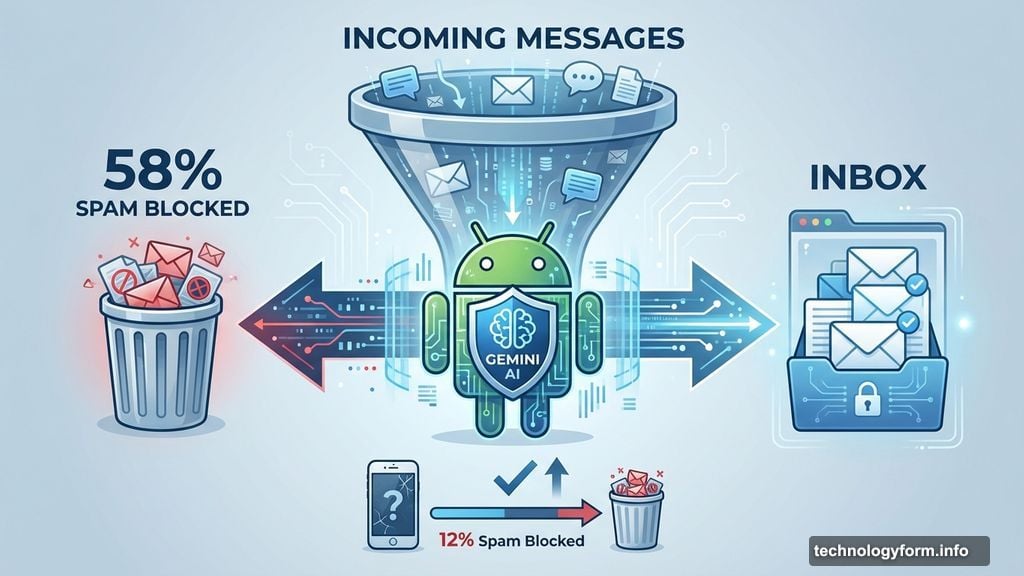
Spam filtering improved dramatically using AI. Google’s research shows Android users now report 58% fewer spam messages compared to iPhone users. That’s not flashy. But it’s the kind of utility people actually value.
Maps integration added hands-free Gemini chat. You can ask for parking or restaurant suggestions while driving. The AI handles the search while you focus on the road.
But phones are just the beginning. Google’s pushing Gemini into TVs, Chromebooks, smart glasses, and vehicles. The goal isn’t putting chatbots everywhere. Instead, it’s building AI that fits each form factor naturally.
Your TV Gets Smarter (Maybe Too Smart)
Google announced expanded Gemini features for TVs at CES 2026. Some make sense. Others feel like solutions searching for problems.
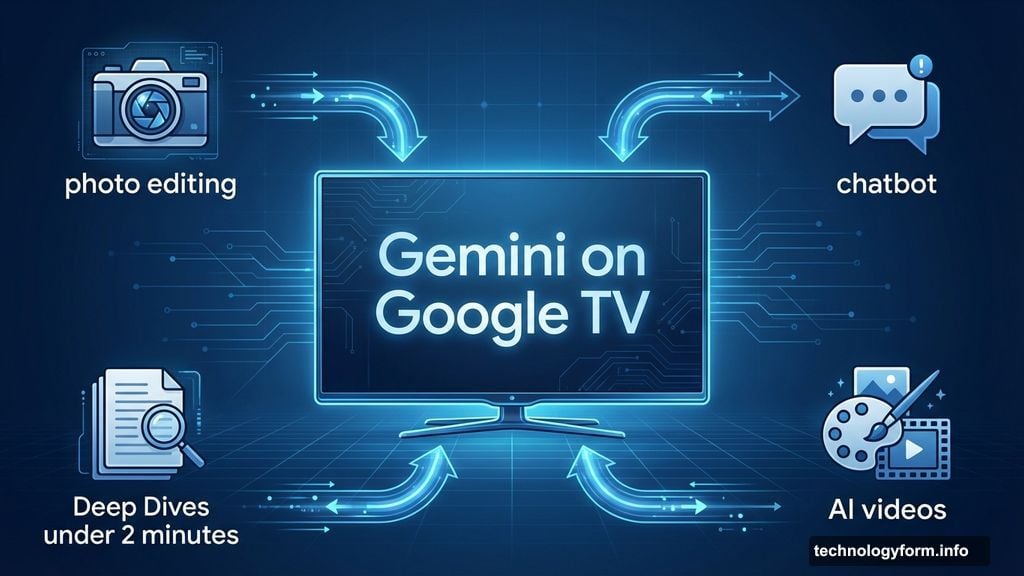
Deep dives create custom multimedia presentations on any topic in under 2 minutes. You can chat with your TV like a chatbot. AI-powered photo editing tools, similar to Google Photos features, now work on the big screen.
You can even generate AI images and videos directly on your TV using Google’s models.
Here’s the thing. Most people don’t want to edit photos on their TV. But Google’s betting some do. Plus, adding these features positions Google’s TV platform as more than passive entertainment.
The strategy makes more sense when you consider engagement. TVs traditionally demanded nothing from viewers. You sat. You watched. Google wants to change that dynamic by making TVs interactive hubs.
Whether people actually want that remains unclear. But the technical capability exists now.
Agents Are Coming (No, Really This Time)
Agentic AI represents Google’s bigger bet. These AI systems handle tasks independently without human supervision. Think ordering food delivery or running code automatically.
Samat admits we’re only “on the cusp” of truly functional AI agents. But he sees them as essential for devices beyond traditional computers and phones.
“Some of the greatest need for this kind of functionality will come from other form factors, which perhaps have smaller screens, no screens at all, or where they need to be hands-free,” Samat explained.
Smart glasses fit that description perfectly. So do vehicles and wearables. These devices need AI that works without constant screen interaction or typing.
Google previously identified smart glasses as critical to AI’s future. That makes sense. Glasses sit between you and the world. They can see what you see and respond contextually. But they need sophisticated AI to work well without pulling out your phone.
The Shift Everyone’s Making
Google’s utility focus isn’t unique. The entire AI industry is moving this direction. Novelty faded. Now companies need to prove their AI improves daily life.
Think about internet evolution. Early days felt magical. Email! Search engines! But the real impact came when those tools became invisible infrastructure. You don’t think about using email. You just communicate.
AI is heading toward that invisibility. The best implementations won’t announce themselves. They’ll quietly make your devices smarter, faster, and more helpful.
Samat frames it clearly: “AI utility is really how I think about the way that an ordinary consumer would experience this technology and say, ‘Wow, that is really powerful.'”
That “wow” can’t come from novelty anymore. It needs to come from genuine usefulness. From AI that saves time, solves problems, or enables new capabilities you actually want.
What This Means for Users
Google’s 2026 strategy signals a broader industry maturation. Expect fewer headline-grabbing model releases. More focus on practical features that work across devices.
For Android users, that means continued AI integration that actually improves your experience. Better spam filtering. Smarter search tools. More capable voice assistants that understand context.
For everyone else, it means AI becomes more like plumbing. Essential infrastructure you rely on but rarely notice. That’s not exciting. But it’s how technology becomes truly transformative.
The companies that nail this transition win. The ones still chasing benchmark scores and demos fall behind. Google’s betting its future on utility over novelty.
Smart move. Assuming they execute well. Because building genuinely useful AI is harder than building impressive demos.