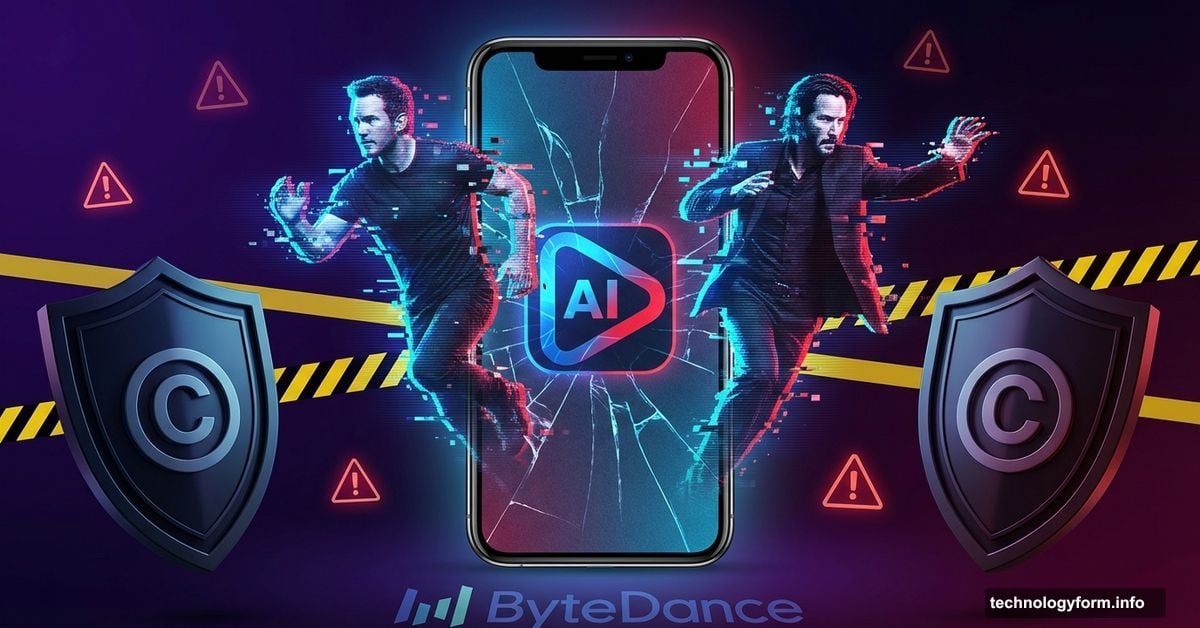
ByteDance’s AI Video Tool Sparked a Celebrity Deepfake Crisis
ByteDance just learned a hard lesson about AI video generators. Sometimes, moving fast means breaking things you can’t easily fix.
Less than a week after launching Seedance 2.0, the company faces multiple cease-and-desist letters. The trigger? A viral AI-generated clip showing Tom Cruise and Brad Pitt in a fabricated fight scene. Now ByteDance promises to “strengthen safeguards” against unauthorized content. But their vague response raises more questions than it answers.
Disney and Paramount Strike Back
Major studios aren’t waiting around for ByteDance to figure this out. Disney fired off a cease-and-desist letter on Friday with serious allegations.
The entertainment giant claims Seedance 2.0 treats copyrighted characters like “free public domain clip art.” Their letter included example videos featuring Spider-Man and Darth Vader. These weren’t homages or parodies. They were straight-up unauthorized uses of billion-dollar franchises.
Paramount Skydance followed with its own legal threat, according to BBC reports. Both studios want immediate action to stop their intellectual property from appearing in AI-generated content.
Here’s the thing. These companies don’t issue cease-and-desist letters lightly. Legal teams move when they see clear infringement and potential revenue loss. Plus, letting unauthorized AI content slide sets a dangerous precedent for their entire catalog.
ByteDance’s Non-Answer Answer
ByteDance told the BBC they’re “taking steps to strengthen current safeguards.” They added that the company “respects intellectual property rights” and heard user concerns.
Sounds reasonable, right? But notice what’s missing. No specifics. No timeline. No explanation of how these safeguards actually work.
When pressed for details, ByteDance went silent. That’s not reassuring for studios worried about their content getting remixed into AI slop. Moreover, it suggests ByteDance hasn’t figured out the technical solution yet.
The reality is brutal. AI video generators work by training on massive datasets. Those datasets often include copyrighted material scraped from the internet. So “strengthening safeguards” means somehow filtering out protected content from models already trained on it. That’s not a simple software patch.
The Deepfake Problem Goes Mainstream
The viral Cruise vs. Pitt clip exposed something bigger than copyright issues. It showed how easily AI tools can create convincing celebrity deepfakes.
Think about the implications. Anyone with internet access can now generate videos of famous people doing or saying anything. The technology moved from research labs to consumer apps in months. However, the guardrails didn’t keep pace.

Studios worry about brand damage and lost revenue. But celebrities face personal threats too. Deepfake technology enables harassment, misinformation, and reputation destruction at scale. Plus, once these videos spread online, removing them becomes nearly impossible.
Current laws weren’t written for AI-generated content. Copyright protections cover original works, not synthetic media created by algorithms. So legal frameworks are scrambling to catch up with technology that’s already in millions of hands.
Where This Goes Next
ByteDance faces three bad options. First, they could implement strict content filters that break the tool’s functionality. Users want creative freedom. Aggressive filtering kills that appeal.
Second, they could continue with weak safeguards and face escalating legal battles. Disney and Paramount won’t be the last companies demanding action. Every studio with valuable IP will pile on if they see vulnerability.
Third, they could shut down Seedance 2.0 entirely until they solve the copyright problem. But that admission of failure would embarrass ByteDance and embolden critics who say AI video tools launched too early.
None of these paths look good. Yet ByteDance created this mess by prioritizing launch speed over safety guardrails. Now they’re learning that “move fast and break things” doesn’t work when you’re breaking other companies’ billion-dollar franchises.
Artists and studios wanted AI tools that respect copyright from day one. Instead, they got yet another tech company asking forgiveness rather than permission. That pattern is getting old fast.