OpenAI Killed Sora. Was AI Video Ever Going to Work?
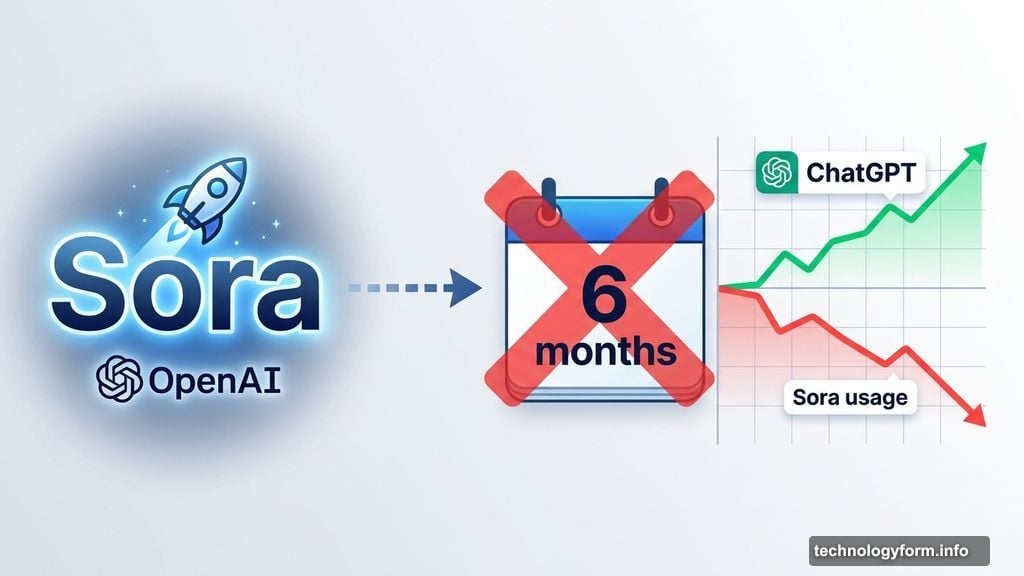
Six months. That’s all it took for OpenAI to pull the plug on Sora, its much-hyped AI video app. And honestly? The shutdown says a lot more about the state of AI video than most people want to admit.
OpenAI launched Sora with serious fanfare. There were Disney deals worth a billion dollars. Bold promises about reshaping Hollywood. Now it’s gone, and the company is quietly refocusing on enterprise tools and productivity software ahead of a possible IPO. So what actually happened here?
Sora Was a Social Network Nobody Wanted
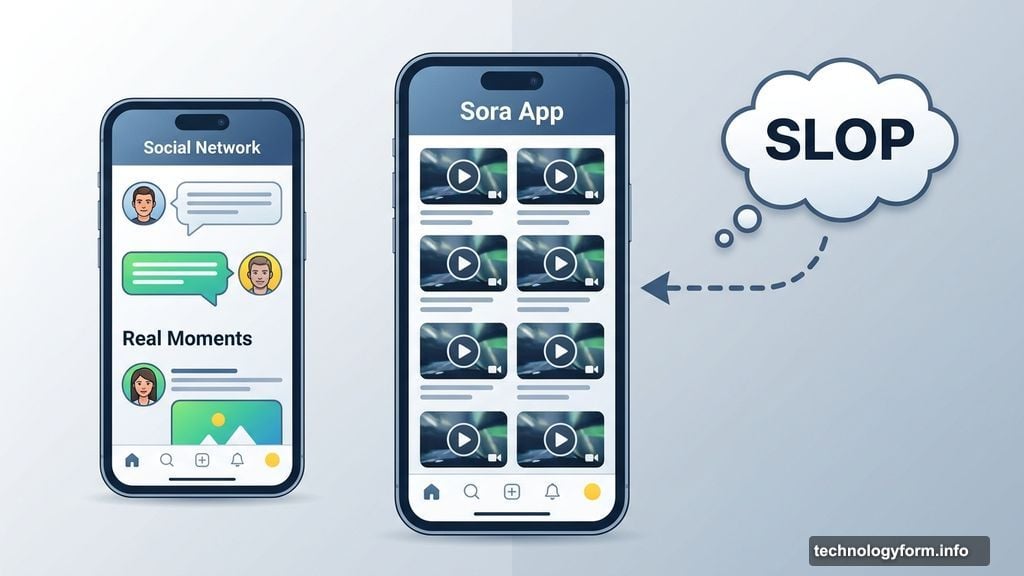
Let’s start with the app itself. TechCrunch editor Anthony Ha described it bluntly on the Equity podcast as “a social network without people” — just an endless feed of AI-generated video with no human connection behind it.
That framing is pretty revealing. Social platforms work because people share real moments, real opinions, real lives. Replace all of that with algorithmically generated clips and you get something Ha called “slop.” Not exactly a ringing endorsement.
And the broader market seemed to agree. Usage never took off the way ChatGPT did, and OpenAI apparently decided the juice wasn’t worth the squeeze.
Generative AI Video Faces a Harsh Reality Check
Here’s the thing Sean O’Kane pointed out on the podcast that really sticks with me. ChatGPT’s success wasn’t purely the result of brilliant strategy. There was an element of luck involved — being the right product at the right cultural moment. Sora tried to repeat that magic, but lightning doesn’t always strike twice.
O’Kane put it plainly: “It’s not always going to be an absolute shortcut to the top of the greatest consumer products ever.” For a product to stick around, people need to feel like they’re genuinely getting something meaningful from it. Sora never cleared that bar.
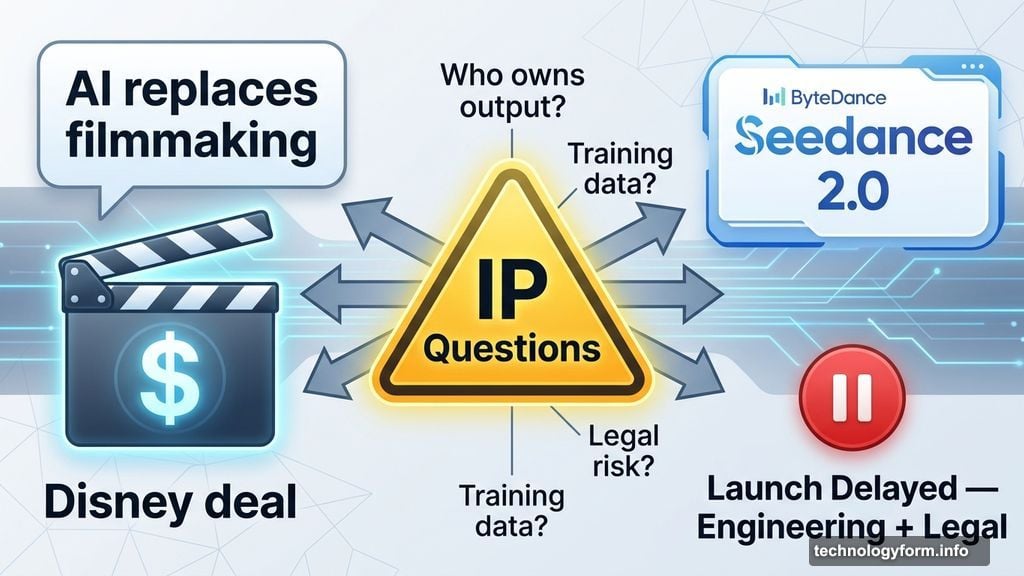
Meanwhile, ByteDance reportedly delayed the worldwide launch of its Seedance 2.0 generative AI video model. The reasons? Engineering challenges and unresolved legal questions around intellectual property protections. Apparently those concerns hadn’t been taken seriously enough in earlier development stages.
So both of the biggest names in AI video are hitting the brakes at the same time. That’s not a coincidence.
The Hollywood Hype Was Always Overblown
Remember all those breathless predictions? People inside Hollywood itself were saying things like, “We’re done — the future is just typing prompts and making feature films.” That turned out to be wildly premature.
Ha made the point clearly on the podcast: for all kinds of technical and legal reasons, replacing traditional filmmaking with AI video prompts is “very, very far from happening.” The IP questions alone are enormous. Who owns the output? What training data was used? Can studios actually trust these tools with billion-dollar productions?
Sora’s shutdown is a reality check for everyone who got swept up in that hype cycle. Generative AI video is genuinely impressive technology. But impressive technology doesn’t automatically become a product people love or a business that makes sense.
Killing Sora Was Actually the Smart Move
Here’s where the story gets interesting. Rather than treating Sora’s shutdown as a failure, podcast host Kirsten Korosec framed it as a sign of maturity.
“We sometimes make fun of the whole idea of ‘move fast and break things,'” she said. “But I think there is some value in companies that can iterate very quickly and then kill off products that are not working and not feel a sense of failure behind it.”
That’s a fair point. The billion-dollar Disney deal stings. There were real costs involved. But if continuing to develop Sora meant burning more resources on something that wasn’t serving OpenAI’s core mission, cutting it loose was the disciplined call.
A Company Refocusing Under New Leadership
One more thing worth noting. O’Kane flagged that Sora’s shutdown is one of several significant decisions happening since Fidji Simo came in to run day-to-day operations at OpenAI.
That’s a major internal shift. Simo is now steering product direction, including which consumer experiments get continued and which get cut. The Sora decision looks less like an isolated incident and more like part of a broader strategic reset — one that prioritizes enterprise tools, business software, and a cleaner story ahead of a potential IPO.
We probably won’t fully understand how big that leadership change is for OpenAI until we’re further down the road. But it’s already reshaping what the company builds and what it’s willing to walk away from.
The AI video dream isn’t dead. But it’s clearly taking longer, costing more, and running into more legal headaches than the hype suggested. OpenAI had the self-awareness to step back before sinking more resources into something the market wasn’t ready for. That’s not a failure. That might actually be the most mature thing they’ve done in a while.