Your Sora Videos Just Got Longer. But That’s Not the Real Story
OpenAI quietly rolled out two updates to Sora this week. One extends video length. The other reveals where this app might actually be heading.
Three weeks ago, OpenAI launched Sora as a fun AI video app for friends. Short clips. Silly memes. TikTok vibes. Now they’re adding professional filmmaking tools like storyboarding and 25-second videos.
So what changed? Maybe OpenAI realized the meme market wasn’t enough. Or maybe they’re trying to win back the professional creators they’ve spent months alienating.
The Specs: What Actually Changed
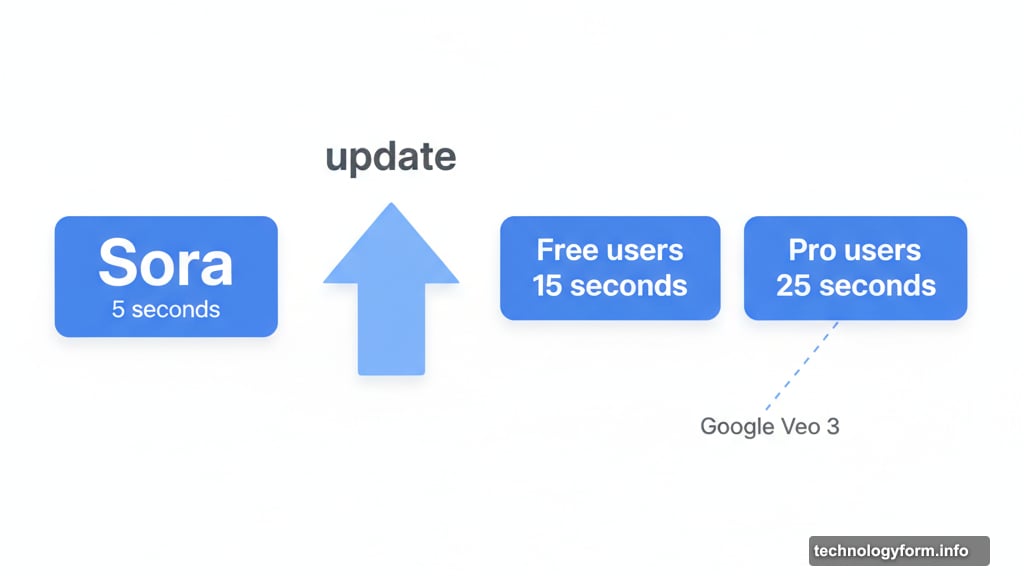
Free users can now make 15-second videos on both iPhone and web. That’s up from the original 5-second limit.
Pro users get 25 seconds, but only on web. Plus, they gain access to storyboarding tools that let them plan multi-shot videos before generating anything.
For context, Google’s Veo 3 announced longer videos just one day earlier. OpenAI isn’t leading here. They’re catching up.
Storyboarding Shows OpenAI’s Real Plan
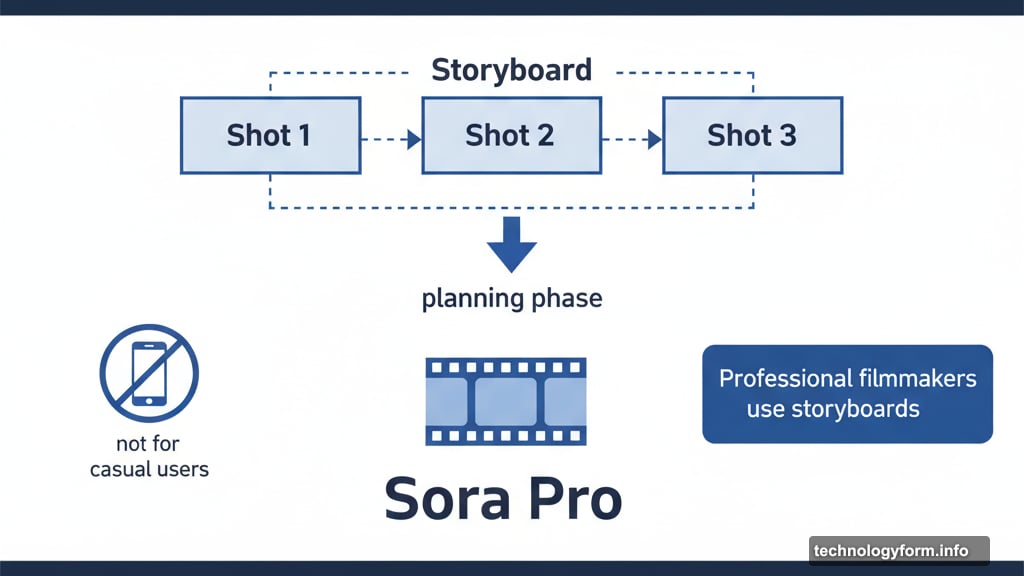
Here’s what’s interesting. Storyboarding isn’t a feature casual users need.
Professional filmmakers use storyboards. Production studios use storyboards. People making quick friend videos? They don’t plan shots in advance. They just hit generate and hope for something funny.
So why add it? Because OpenAI wants professional creators on Sora. Not just teenagers making AI memes.
Google’s Flow already offers storyboarding. Traditional video editing software has included it for years. OpenAI is building tools that compete with professional filmmaking platforms, not social media apps.
That’s a massive shift from Sora’s original pitch three weeks ago.
The Creator Problem Nobody Talks About
OpenAI has a creator problem. A big one.
Before Sora launched, they told talent agencies and streaming companies they’d need to opt OUT of having their intellectual property used in Sora videos. Want to protect Pikachu? Tell OpenAI yourself.
That’s backwards from how copyright works. You can’t just use someone’s work unless they explicitly say no. Yet that’s exactly what OpenAI tried.
Backlash came fast. OpenAI changed their policies days after launch and added more controls over how likenesses can be used. But the damage was done. Professional creators saw OpenAI’s true stance on intellectual property.
Now OpenAI is building tools those same creators need. Longer videos. Higher resolution. Professional planning features. They’re courting the exact people they just alienated.
What Makes Sora Different (and Concerning)
Every video on Sora is AI-generated. Nothing is real.
That sounds obvious. But scroll through Sora and the implications hit differently. It’s not like Instagram where some posts are AI and others aren’t. Everything you see is synthetic.
Plus, Sora’s cameo feature lets you use other people’s faces to create nearly any video. The technology is disturbingly good. Videos look real even when they’re completely fabricated.
Facebook and Instagram feel like they’re drowning in AI content already. But Sora takes that to its logical extreme. An entire social app where reality doesn’t exist.
Where This Goes Next
OpenAI is trying to serve two masters. Casual users who want quick memes. Professional creators who need serious filmmaking tools.
Those are fundamentally different markets with different needs. Casual users don’t care about storyboarding or 25-second videos. They want fast, easy, funny content.
Professional creators need exactly what OpenAI is building now. But they also need trust. They need clear copyright protections. They need confidence their work won’t be scraped without permission.
OpenAI damaged that trust before Sora even launched. Adding professional features won’t fix it overnight.
Meanwhile, Google’s Veo 3 offers similar capabilities with slightly better optics around creator rights. Adobe has professional tools creators already trust. Meta is building AI video into platforms people already use.
So Sora faces competition from all sides. Their early momentum came from novelty and meme culture. But sustaining that requires either dominating the casual market or winning over professionals.
Right now, they’re trying to do both. And succeeding at neither.
These updates show OpenAI’s ambition. They want Sora to be more than a toy. But whether professional creators will trust them remains the biggest question.