
Meta’s New AI Model Muse Spark Signals a Costly Bet on Superintelligence
Meta just launched its most anticipated AI model in years. And the story behind it is just as interesting as the model itself.
The new model is called Muse Spark. It comes from Meta Superintelligence Labs, a team Meta built by poaching top AI talent from competitors. And it signals that Meta is serious about catching up in the AI race.
A Pricey Team Behind the Model
Meta didn’t build this quietly. The company assembled Meta Superintelligence Labs last year by recruiting expensive AI leaders and developers away from rival companies.
Leading the charge is Alexandr Wang, co-founder and CEO of Scale AI. Wang came on board after Meta made a massive $14.3 billion investment in Scale AI. That’s not a small commitment. It shows just how seriously Meta is taking this push.
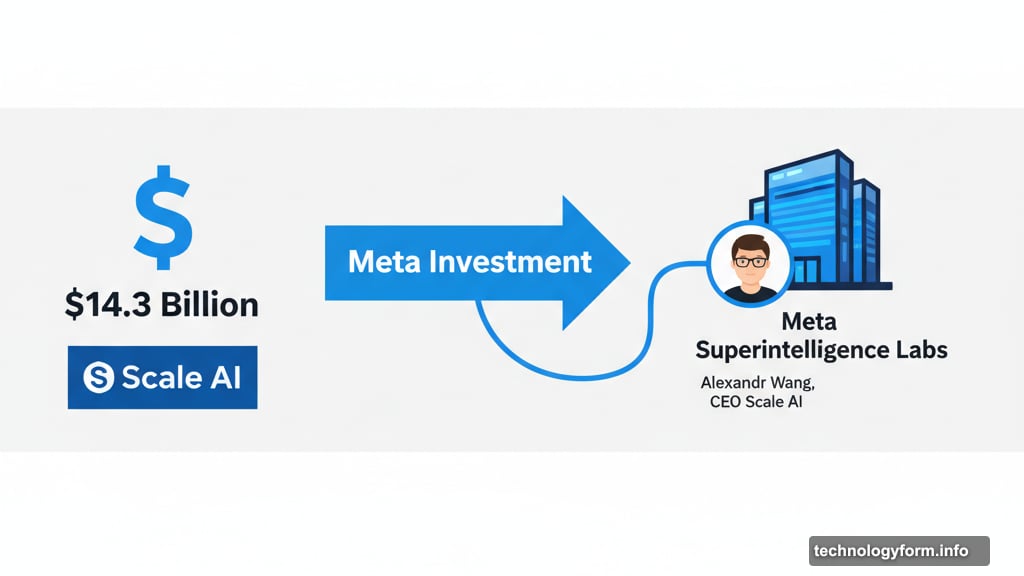
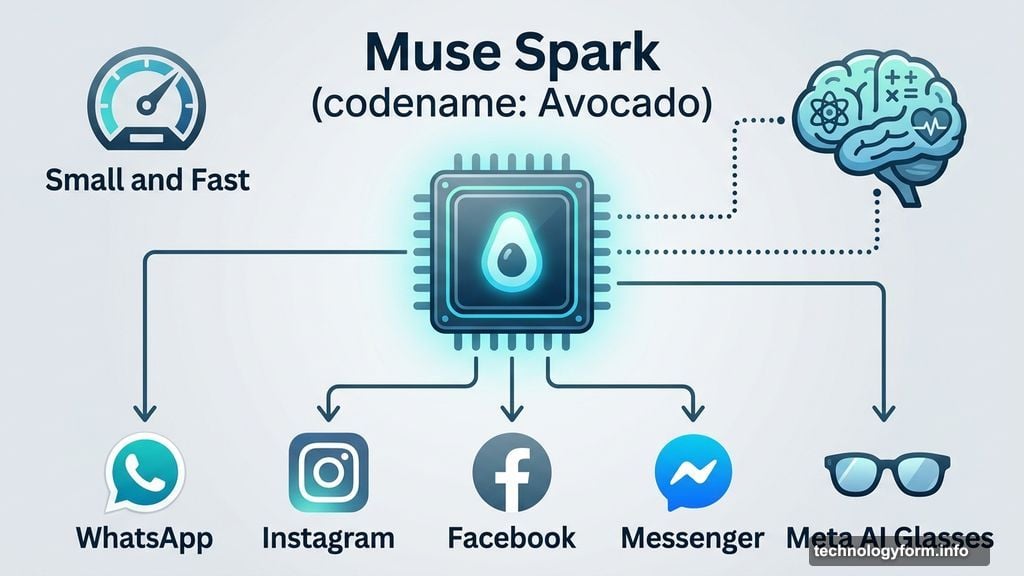
The model itself was developed under the internal codename Avocado. Now it’s live and powering the Meta AI app and website. Soon, it will roll out across WhatsApp, Instagram, Facebook, Messenger, and even Meta’s AI glasses.
Small, Fast, and Built to Grow
Muse Spark isn’t trying to be everything at once. Meta describes it as “small and fast by design,” built to handle complex reasoning in science, math, and health without being a resource hog.
Think of it like a sharp junior associate rather than a heavyweight expert. It’s quick, capable, and meant to be a foundation. Meta already confirmed that larger, more powerful models are in development.
Meta called this release “an early data point on our trajectory.” That’s honest framing. It signals ambition without overselling what Muse Spark can do today.
Why Meta Needed This Win
The pressure behind this launch is real. Meta’s previous Llama model releases last year landed with a thud. Meanwhile, competitors kept sprinting forward.
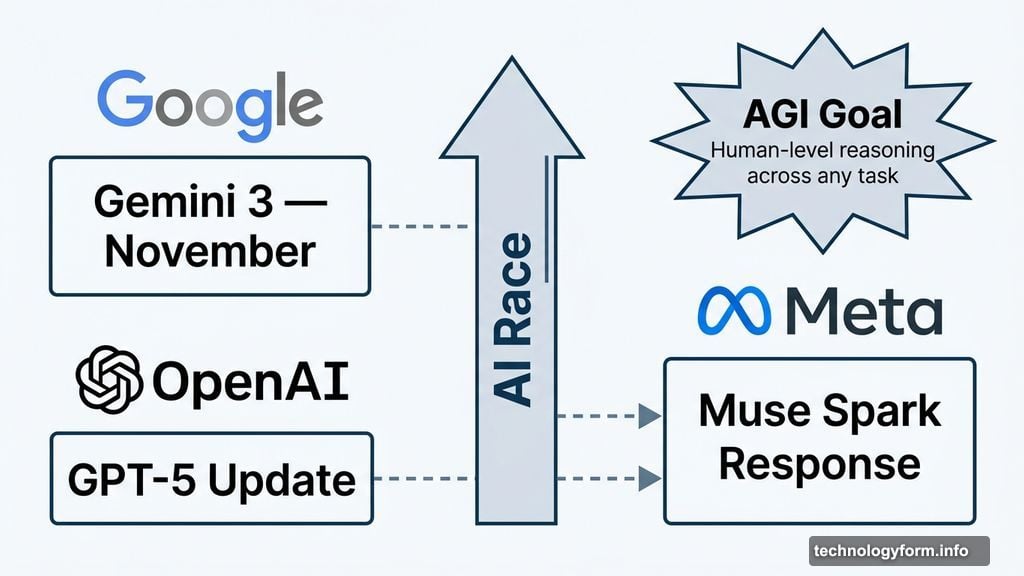
Google pulled ahead in November with Gemini 3, which wowed the AI community with its coding and research abilities. OpenAI followed quickly with updates to GPT-5. Meta watched both moves and needed a credible response.
This launch is that response. It shows Meta’s superintelligence team can ship something competitive, even if more powerful models are still coming.
The Bigger Picture: Chasing AGI
Muse Spark is part of a much larger ambition. Meta has poured increasingly enormous sums into AI research, with a specific goal of reaching artificial general intelligence, or AGI. That’s the point where AI can match or exceed human-level reasoning across virtually any task.
Most experts agree AGI is still years away. But the companies investing now are the ones most likely to shape what it looks like when it arrives. Meta wants a seat at that table.
Building a dedicated superintelligence team is how Meta plans to earn it. And spending $14.3 billion on Scale AI to do it shows the company isn’t treating this as a side project.
Meta’s path forward is clear: ship fast, build bigger, and close the gap on Google and OpenAI before the next major AI breakthrough reshapes the field entirely. Whether Muse Spark marks a real turning point or just another step in a long race remains to be seen. But for the first time in a while, Meta looks like it’s running in the right direction.