Google’s Gemini 3 Could Flip the AI Race Upside Down
Google’s about to drop Gemini 3.0. The stakes couldn’t be higher.
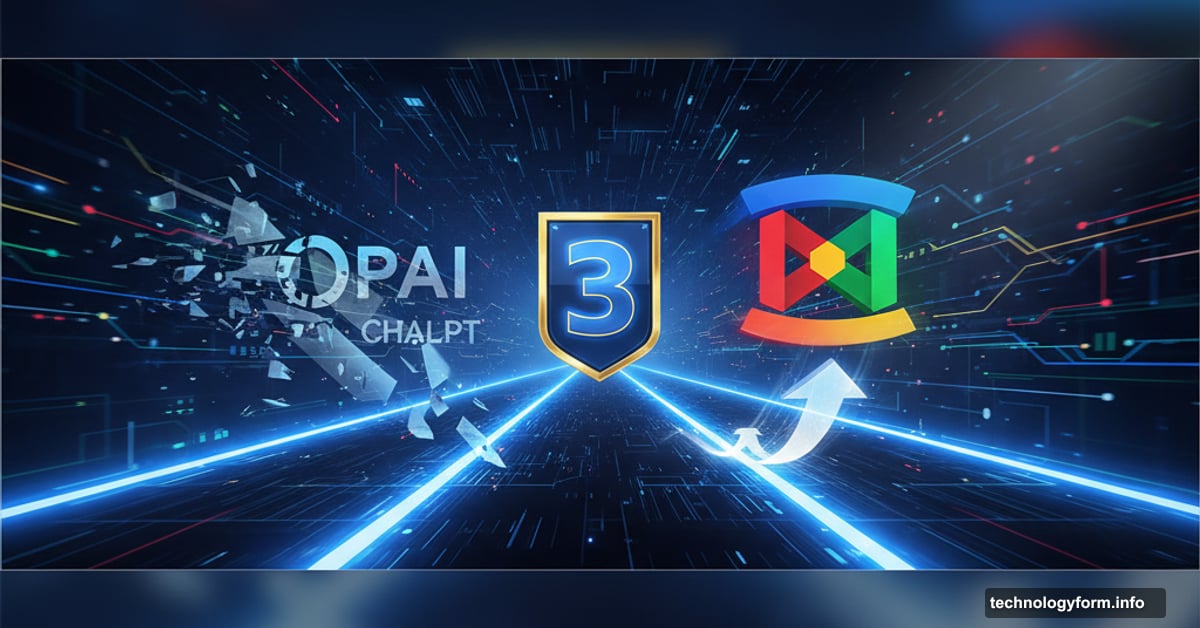
After three years of playing catch-up to OpenAI, Google finally has a shot at reclaiming the throne. CEO Sundar Pichai promised the new model would arrive by year’s end. Industry insiders are calling it “extremely impressive.” Plus, AI enthusiasts are convinced it’s already running in secret tests.
This isn’t just another model release. It’s Google’s chance to prove the sleeping giant actually woke up.
The Hype Machine Is Running Hot
AI communities are losing their minds over Gemini 3. Discord channels buzz with speculation. X feeds overflow with rumors that Google’s already testing it in the wild.
They might be onto something. Google has a history of stealth testing its models before official launches. So those conspiracy theories? Not entirely crazy.
But here’s what makes this different. The entire AI industry is watching this drop. Not just fanboys tracking version numbers. Real players who understand what’s at stake.
Early whispers suggest major improvements in coding and multimedia generation. Remember Nano Banana, that viral image tool? Expect a significantly better version baked into Gemini 3. Those upgrades matter because they hit areas where ChatGPT still struggles.
Google Spent Three Years Playing Catch-Up
Let’s be honest. ChatGPT’s November 2022 launch caught Google flat-footed. The company that literally invented the transformer architecture suddenly looked slow and behind.
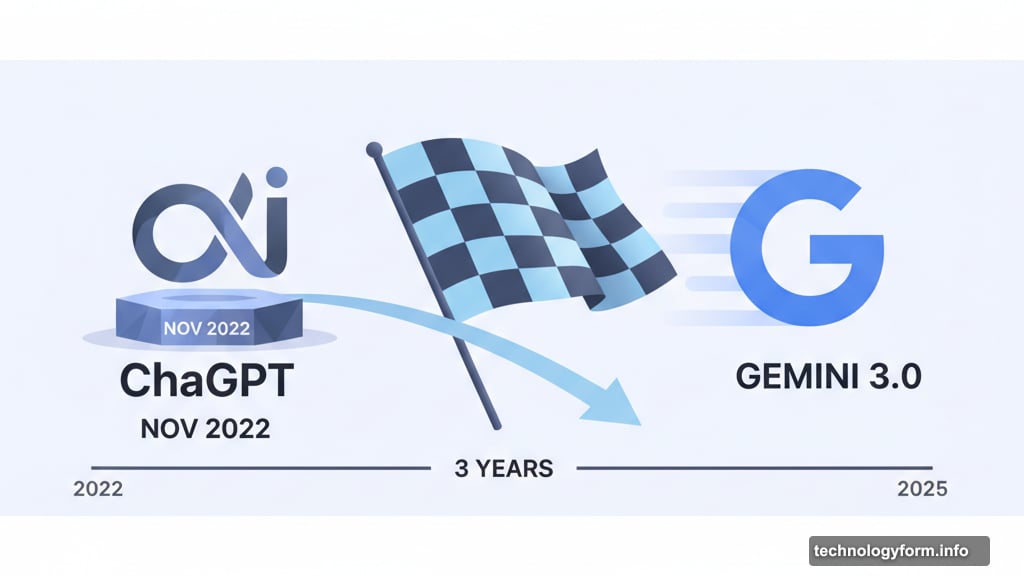
That narrative had teeth. Google faced its first real existential threat in years. The company scrambled to pivot teams and inject generative AI into flagship products.
But something shifted. The drowsy giant actually woke up. Gemini users are soaring. Google’s advertising empire hasn’t crumbled despite AI disruption fears. Calls for Pichai to step down died down.
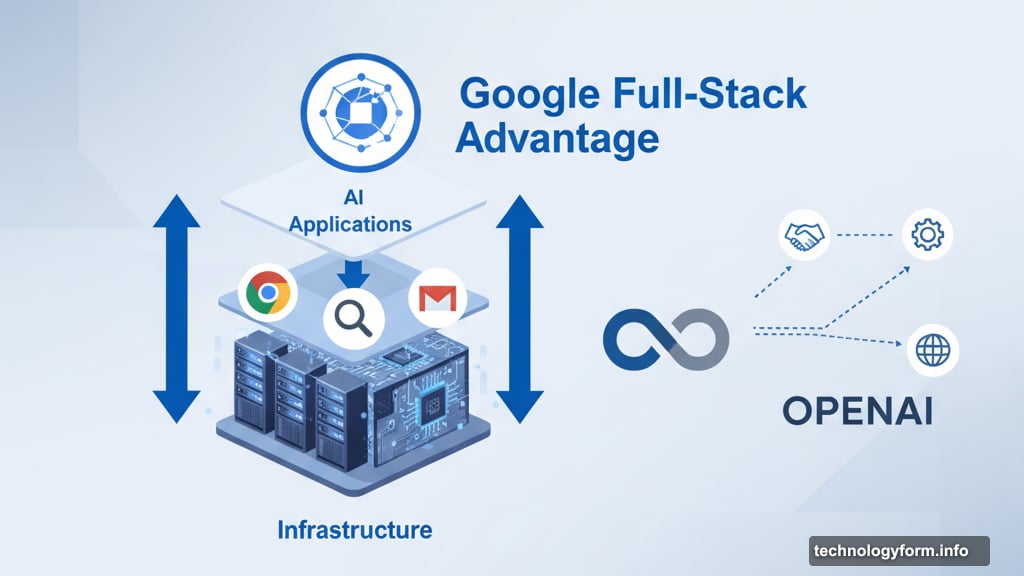
Most importantly, Google tapped its “full-stack” advantage. The company builds models, controls distribution through its products, and runs infrastructure through Google Cloud. That vertical integration kept Google out of the messy web of AI partnerships that’s fueling bubble fears elsewhere.
OpenAI Just Handed Google an Opening
ChatGPT 5 was supposed to be the next big leap. Instead, it landed with more fizz than bang.
What happened? Either AI hit its “boring era” or OpenAI lost its edge. Neither explanation helps OpenAI’s position.
This creates a massive opportunity for Google. If Gemini 3 delivers on the hype, Google could legitimately claim the top spot in the AI race. That’s the position it’s been fighting to reclaim since the generative AI boom started.
OpenAI doesn’t have Google’s advantages. No product ecosystem. No cloud infrastructure. No chip design capabilities. OpenAI stayed ahead through first-mover advantage and smart partnerships. Those advantages erode fast when the technology itself lags behind.
The Brand Gap Remains Google’s Biggest Problem
ChatGPT became the “Kleenex” of AI. People say “ChatGPT” when they mean any AI chatbot, just like “Google” became synonymous with online search.
Irony doesn’t make it less painful for Google.
The numbers tell the story. Gemini hit 650 million monthly active users. ChatGPT boasts 800 million weekly active users. That’s a significant gap. Google’s growing popularity with younger users helps, but closing that 150 million user difference takes time.
Moreover, changing brand perception moves slower than technology. Even if Gemini 3 crushes ChatGPT on capabilities, convincing people to switch requires more than superior features. It demands sustained marketing, word-of-mouth, and time.
Years of Bets Are Finally Paying Off
Google’s decades of investment in cloud infrastructure, custom chips, and AI research are converging. The company didn’t start from scratch when ChatGPT dropped. It had the pieces. It just needed to assemble them fast.
Those pieces include Tensor Processing Units designed specifically for AI workloads. A cloud platform serving millions of businesses. Research teams that pioneered transformer architecture. Product distribution that reaches billions of users daily.
OpenAI has talent and partnerships. Google has an entire ecosystem built over twenty years.
So if Gemini 3 delivers on the hype, Google just needs to not fumble the execution. Simple, right? Except this is Google, a company famous for killing promising products and botching launches.
The technology might be ready. The real question is whether Google’s corporate culture can capitalize on it. No pressure.
This launch matters more than any product release Google’s had in years. Gemini 3 either confirms Google’s comeback or proves the sleeping giant just rolled over and went back to sleep.