Anthropic Just Put Claude Code in Your Browser. Here’s Why That Matters
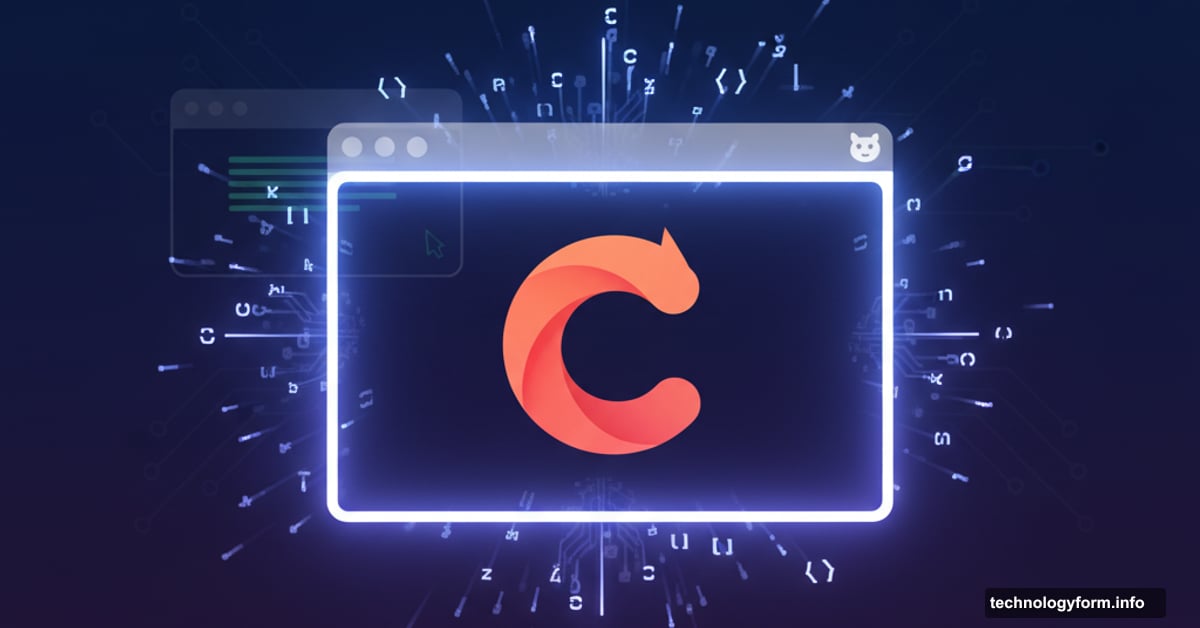
Claude Code went from niche developer tool to must-have AI assistant in just eight months. Now Anthropic is making it even easier to use with a web interface that skips the terminal entirely.
The move matters because it removes friction. Previously, developers needed terminal access and setup time before Claude could help with coding tasks. Now? Just connect your GitHub repositories and start describing what you need. The agent handles everything from there.
Web Access Changes the Game
Anthropic’s new web interface works surprisingly simply. Connect Claude to your GitHub repos once. Then treat it like any other chat interface.
Describe your coding task in plain English. Claude starts working immediately. Plus, it provides progress updates as it goes, so you’re never wondering what’s happening behind the scenes.
But here’s where it gets interesting. You can steer Claude in real-time with additional prompts. Realize you need a different approach halfway through? Just tell it. The agent adjusts course without starting over.
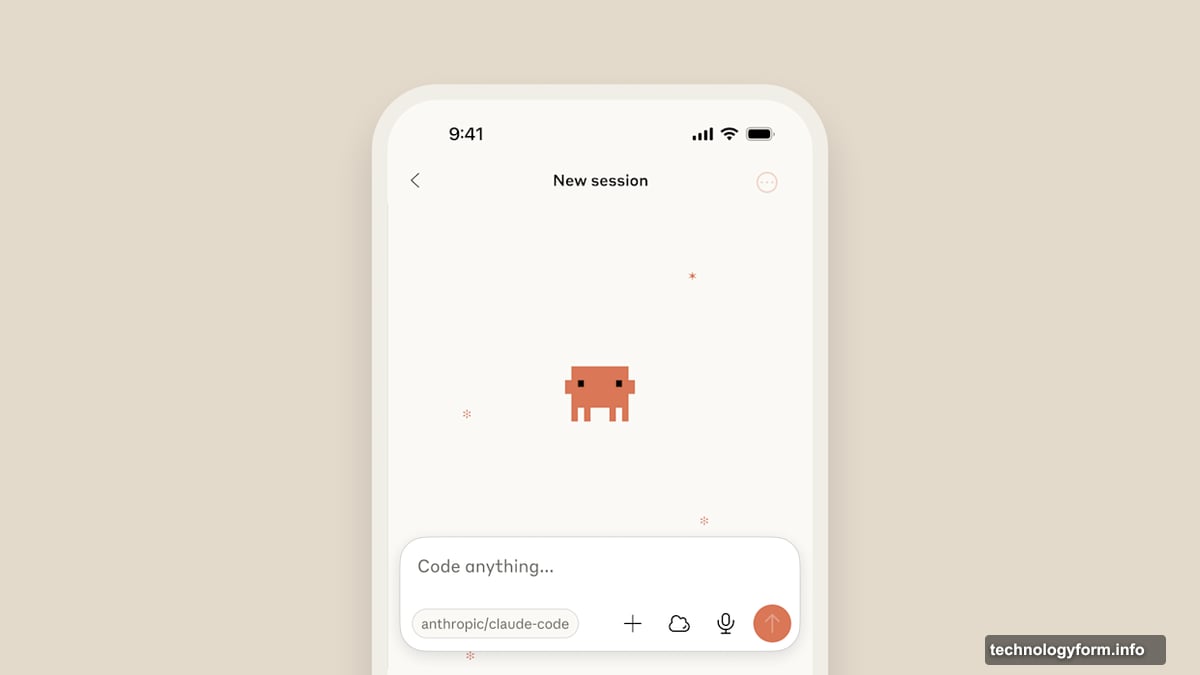
Even better, you can assign multiple tasks simultaneously. Claude runs them in parallel, making it possible to knock out several coding jobs at once. That’s a huge time-saver for developers juggling multiple projects.
Security Built In, Not Bolted On
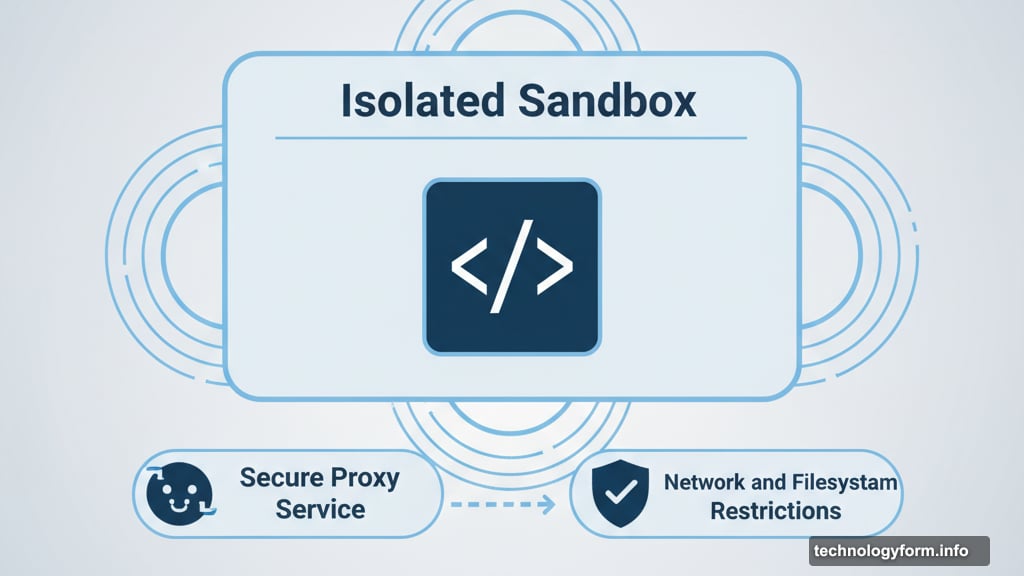
Every Claude Code task runs in its own isolated sandbox. Network and filesystem restrictions keep each session contained. So even if something goes wrong, your other work stays protected.
Git interactions happen through a secure proxy service. That means Claude only touches repositories you explicitly authorize. Your credentials never get exposed. Your code stays yours.
Anthropic clearly learned from early AI coding disasters. Remember when those first GitHub Copilot alternatives leaked API keys? This architecture specifically prevents those problems. The company designed security from the ground up instead of adding it later.
Mobile Preview Shows Ambition
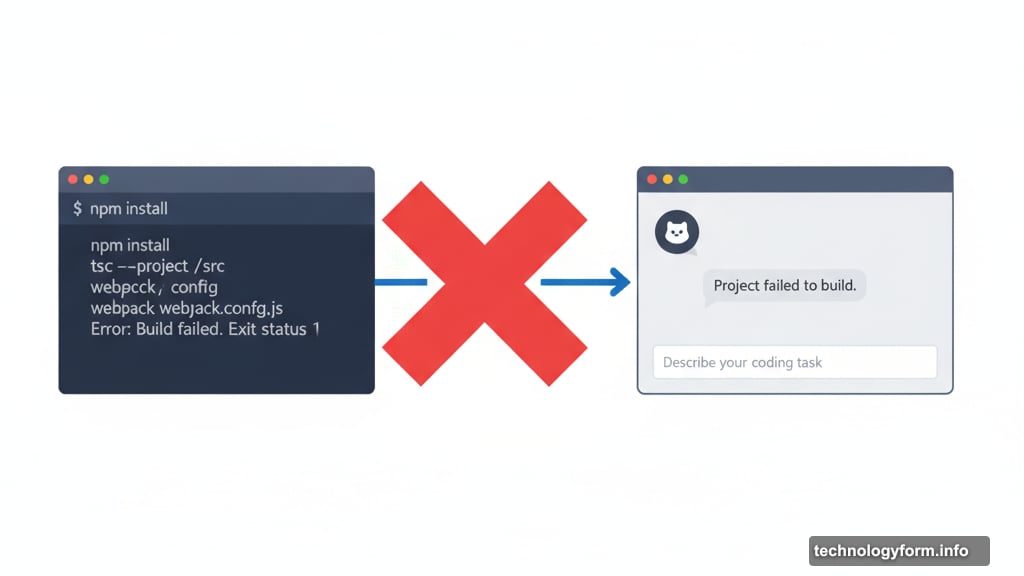
Claude Code just launched on iOS too. Anthropic calls it an early preview and warns the mobile experience needs refinement. Translation: it works but expect rough edges.
Still, the fact they’re pushing mobile at all reveals their strategy. Anthropic wants Claude Code everywhere developers work. Desktop terminals, web browsers, and now phones. That ubiquity matters in a market where convenience often beats raw capability.
Most developers won’t write complex code on mobile. But reviewing pull requests? Checking on automated tasks? Quick bug fixes? Those mobile use cases make sense. Plus, mobile access means you can monitor long-running Claude sessions from anywhere.
The Pricing Reality
Pro and Max subscribers get access starting today. Free tier users are out of luck for now. That pricing structure tells you something important about Anthropic’s business model.
Claude Code represents their premium offering. The feature that justifies subscription costs. So they’re keeping it behind the paywall to drive conversions. Smart move, even if it frustrates hobbyist developers.
One catch: cloud sessions share rate limits with other Claude Code usage. Heavy users might hit throttling. Anthropic hasn’t published exact numbers, but multiple developers reported hitting limits after 3-4 hours of sustained use. Plan accordingly if you’re tackling marathon coding sessions.
Why This Matters Beyond Anthropic
Claude Code’s success proves coding agents work when designed properly. GitHub Copilot started the trend. Cursor rode the hype wave. But Claude carved out a distinct niche by focusing on complete task execution instead of just autocomplete.
Other AI companies are watching. Expect similar web interfaces from competitors soon. The terminal requirement was always a barrier to mainstream adoption. Anthropic just showed how to eliminate it.
Moreover, this signals where AI coding tools are heading. Not replacing developers. Not autocompleting every line. Instead, handling entire well-defined tasks while developers focus on architecture and problem-solving. That division of labor actually makes sense.
The web interface matters because it expands who can use Claude Code. Junior developers uncomfortable with terminals? They’re in now. Product managers wanting to prototype features? Same. That accessibility could shift how teams collaborate on technical projects.
Anthropic nailed the execution here. Simple onboarding. Clear security model. Real-time feedback. These details separate useful tools from abandoned experiments. Claude Code already worked well. Now it works everywhere.