Google Fi Just Made Phone Calls Smarter With AI Audio
Phone calls sound terrible. Wind noise drowns out voices. Coffee shop chatter bleeds through. You constantly say “what?” and “can you repeat that?”
Google Fi wants to fix this mess. The telecom service just rolled out AI-enhanced audio that cleans up calls automatically. Plus, it’s adding several other features that make the platform more useful.
Let’s break down what’s changing and whether it matters for your phone bill.
AI Listens to Your Calls (In a Good Way)
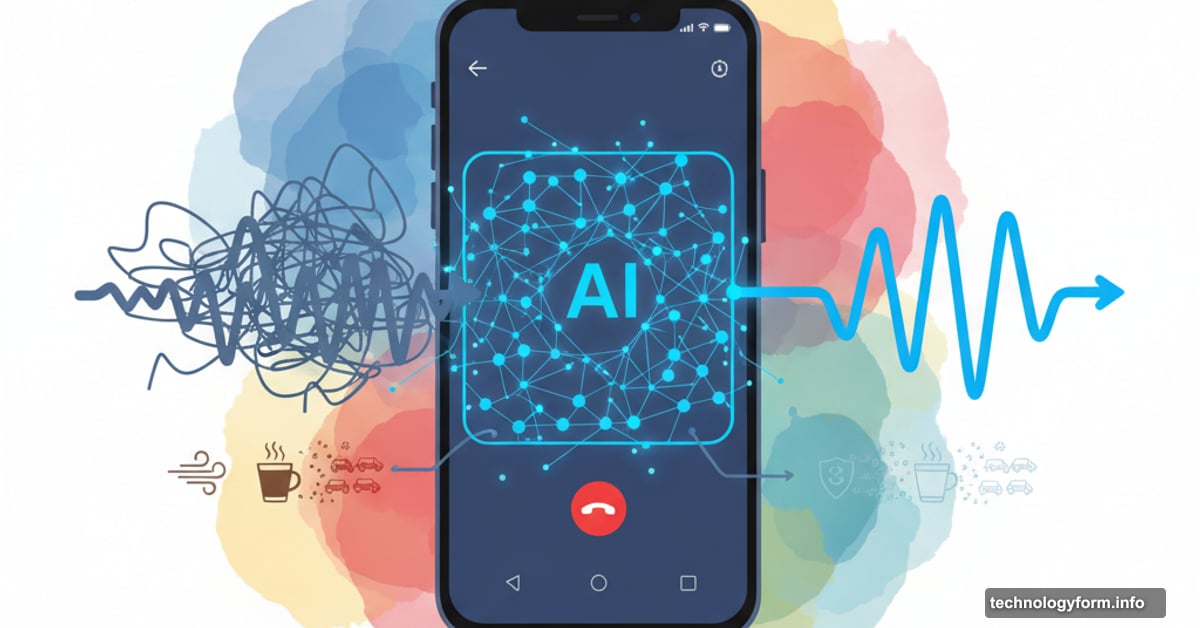
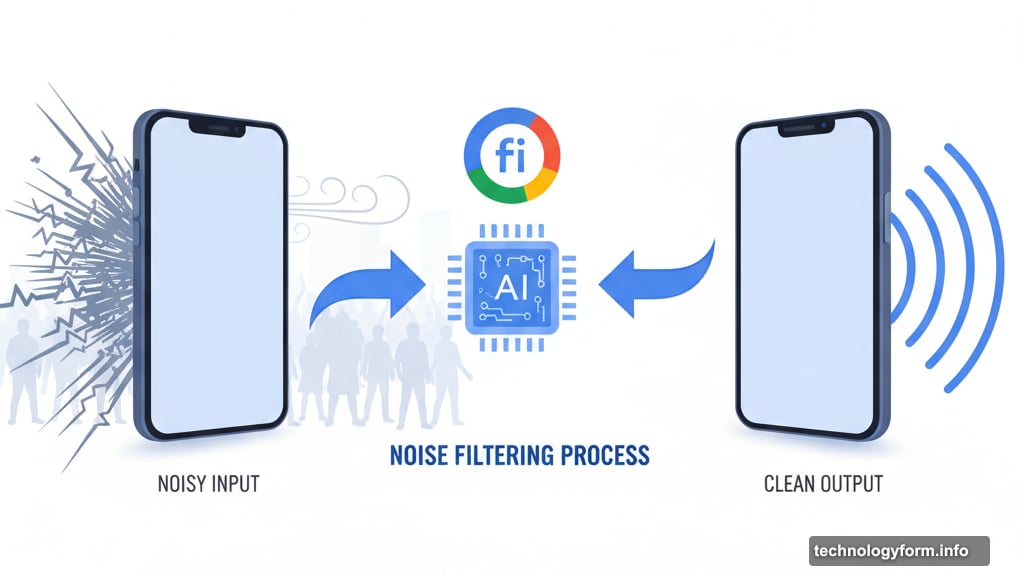
Google Fi now uses artificial intelligence to optimize audio quality during every call. The system analyzes background noise in real-time and filters it out.
Think of it like noise-canceling headphones, but built into the network itself. So when you’re taking calls from a windy park or crowded cafe, the person on the other end hears you clearly. Not the chaos around you.
This feature launches in November. And here’s the best part: it costs nothing extra. Every Google Fi subscriber gets it automatically.
The technology works differently than simple noise reduction. Traditional filters just lower overall volume to cut background sounds. But that makes everything quieter, including your voice.
Instead, Google’s AI identifies specific sound patterns. It recognizes wind, traffic, conversation chatter, and other common noise sources. Then it removes those frequencies while preserving your voice frequencies. So the other person hears you loud and clear, even in noisy environments.
HD Calling Finally Arrives
Google Fi is also adding HD and HD+ calling support. This means higher audio quality for voice calls using better codecs and wider frequency ranges.
Most phone calls compress audio to save bandwidth. That compression removes subtle voice details and creates that “tinny” sound. HD calling preserves more of the original audio spectrum.
The difference? Voices sound more natural and less robotic. You can hear emotional nuances better. And it’s easier to understand people with accents or soft voices.
However, both people on the call need HD support for this to work. If you call someone on an older network, you’ll get standard quality. Still, most major carriers support HD calling now, so chances are decent.
Automatic Wi-Fi Switching Saves Data
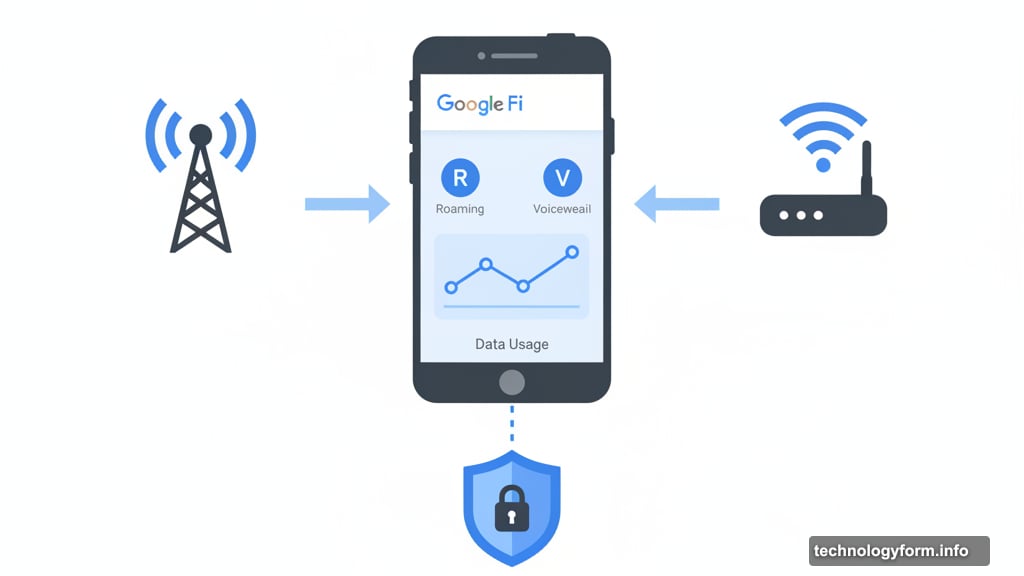
Google Fi will soon connect to Wi-Fi networks automatically when available. The service promises “seamless, secure switching” between cellular and Wi-Fi.
Why does this matter? Wi-Fi calls don’t count against your mobile data cap. So if you’re on a limited data plan, automatic Wi-Fi calling saves money.
Plus, Wi-Fi often delivers better indoor coverage than cellular signals. Those thick building walls that block cell towers? Wi-Fi routers sit inside, so they work better.
Every call and text through this system routes through a VPN automatically. That protects your privacy on public Wi-Fi networks. And again, this costs nothing extra and doesn’t consume your data allowance.
The catch? You need to be near known Wi-Fi networks. The feature won’t help when you’re driving or in remote areas. But for home, office, and frequent locations, it’s genuinely useful.
Web Calling Arrives in December
Google Fi is adding browser-based calling and texting. Starting in December, you can make calls and send messages from any web browser.
This isn’t entirely new. Google Voice has offered web calling for years. But Fi subscribers haven’t had this option until now.
The web interface includes full RCS support. That means you can send high-resolution photos and videos through message threads. No more compressed, blurry images that look terrible.
RCS (Rich Communication Services) is basically modern texting. It supports read receipts, typing indicators, and better media sharing. Think of it as iMessage for Android, except it also works with other platforms.
For people who spend all day at a computer, web calling is convenient. You can keep your phone charging across the room while taking calls through your laptop. Your hands stay free for typing and your battery lasts longer.
Gemini Explains Your Bill
Google is integrating its Gemini AI into Fi’s billing system. The AI creates simplified summaries of your monthly statements.
Phone bills confuse everyone. Taxes, fees, prorated charges, and mysterious line items add up to incomprehensible documents. So Google’s AI reads your bill and explains it in plain language.
The feature has been in beta testing for a while. Google says user feedback shows “high positive sentiment.” That’s corporate speak for “people actually like it.”
Here’s a practical example. Instead of seeing “REGULATORY RECOVERY FEE $2.47” with no context, Gemini explains what that fee covers and why you’re paying it. It can also flag unusual charges or compare costs to previous months.
Will this make bills cheaper? No. But at least you’ll understand what you’re paying for. That’s worth something.
Limited-Time Discount for New Subscribers
Google is offering 50 percent off for 15 months when you bring your own phone. The promotion only applies to Unlimited Premium and Unlimited Standard plans.
Let’s do the math. The Unlimited Premium plan normally costs $65 per month for one line. With 50 percent off, you pay $32.50 monthly for over a year. That’s $487.50 in savings.
Sounds great, right? But there’s a catch. Google Fi’s base prices are already higher than many competitors. So even with 50 percent off, you might find cheaper options elsewhere.
Plus, this discount only lasts 15 months. After that, you’re paying full price. Make sure you’re comfortable with the regular rates before signing up just for the promotion.
The “bring your own phone” requirement also matters. If you need a new device, you’ll pay full retail price. Some carriers subsidize phones when you sign up for service. Google Fi doesn’t offer that with this promo.
Should You Switch to Google Fi?
These updates make Google Fi more competitive. But they don’t solve the service’s core issue: price.
Google Fi works well for light data users. If you mostly use Wi-Fi and rarely stream video on cellular, the flexible plans save money. But heavy data users pay more than they would with traditional unlimited plans from major carriers.
The AI audio features are genuinely useful. Clearer calls matter more than people realize. If you take lots of business calls or live in noisy environments, this alone might justify switching.
However, coverage remains a concern. Google Fi uses T-Mobile’s network primarily. In urban areas, that’s fine. In rural regions, coverage gets spotty. Check T-Mobile’s coverage map for your area before switching.
The web calling feature appeals to people who work from home. Being able to handle calls from your computer without touching your phone is convenient. But it’s not revolutionary. Many VoIP services already do this.
Network quality matters more than features. The best AI audio in the world can’t fix a dropped call from weak signal strength. So evaluate coverage first, features second.