Google Search Gets Personal. Your Gmail and Photos Now Power AI Results
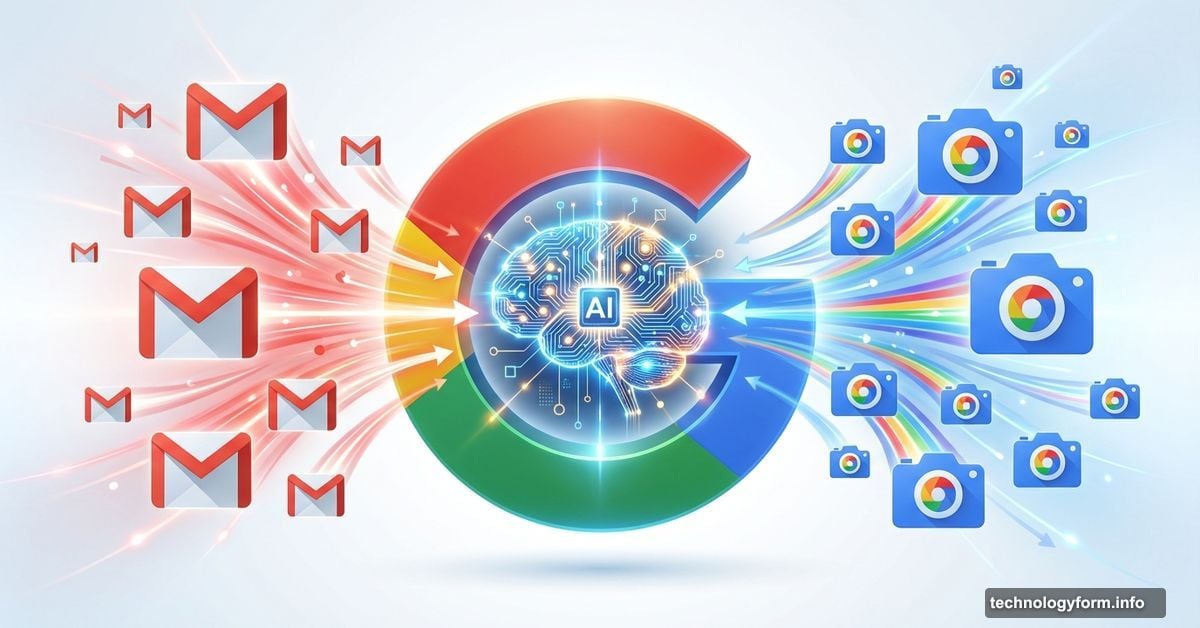
Google just opened a door most of us didn’t know existed. The company’s letting its AI dig through your Gmail and Google Photos to customize search results specifically for you.
Sounds convenient. But it also raises questions about how much access we’re comfortable giving AI to our personal data. Let’s break down what’s changing and what it means for your daily searches.
AI Mode Taps Into Your Google Life
Google’s new personalized intelligence feature works inside AI Mode. That’s the company’s hands-off search experience where AI handles the heavy lifting for you.
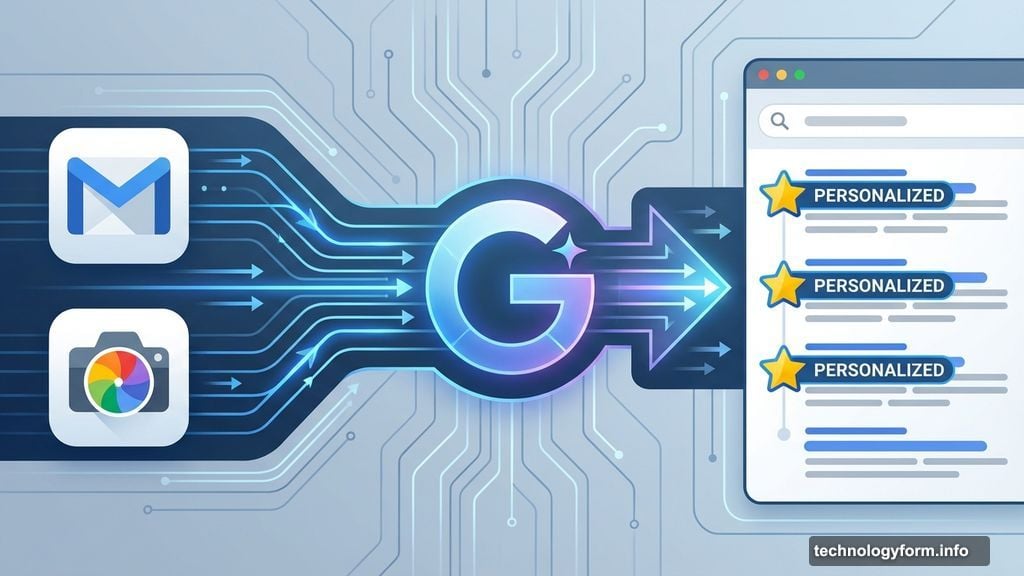
Here’s how it works. When you enable personalization, Gemini can access your Gmail and Google Photos. Then it uses that information to prioritize results based on your actual life. Not generic recommendations. Personal ones.
Say you’re shopping for sneakers. Regular search shows popular options. But personalized AI notices you’ve bought from a specific brand before (based on email receipts). So it highlights that brand first.
The feature requires opt-in. You won’t wake up to find Google’s AI suddenly reading your emails. Plus, it’s separate from AI Overviews, the feature that summarizes search results at the top of the page.
Who Gets Access First
This isn’t rolling out to everyone yet. Google’s testing it with paying subscribers first.
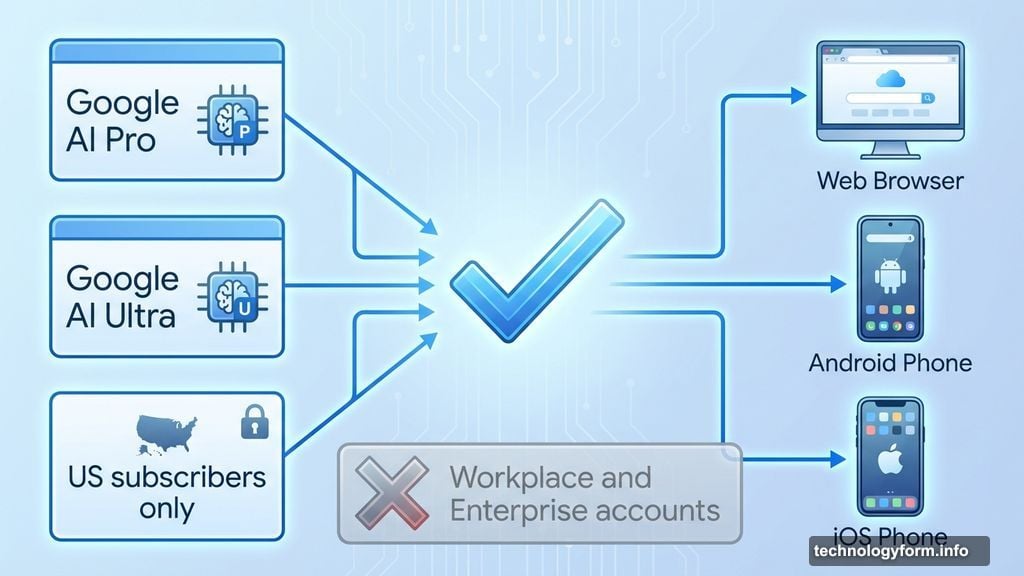
Right now, it’s available for Google AI Pro and Ultra subscribers in the US. You can use it on web browsers, Android, and iOS versions of Gemini. But only with personal Google accounts. Workplace and Enterprise accounts don’t have access.
Free users and people outside the US will get the chatbot version soon. But the full search integration starts with premium subscribers.
How Personalization Actually Reasons
Gemini could already pull information from your Google apps since 2023. Back when it was still called Bard.
What’s different now? The AI doesn’t just retrieve information anymore. It reasons with it.
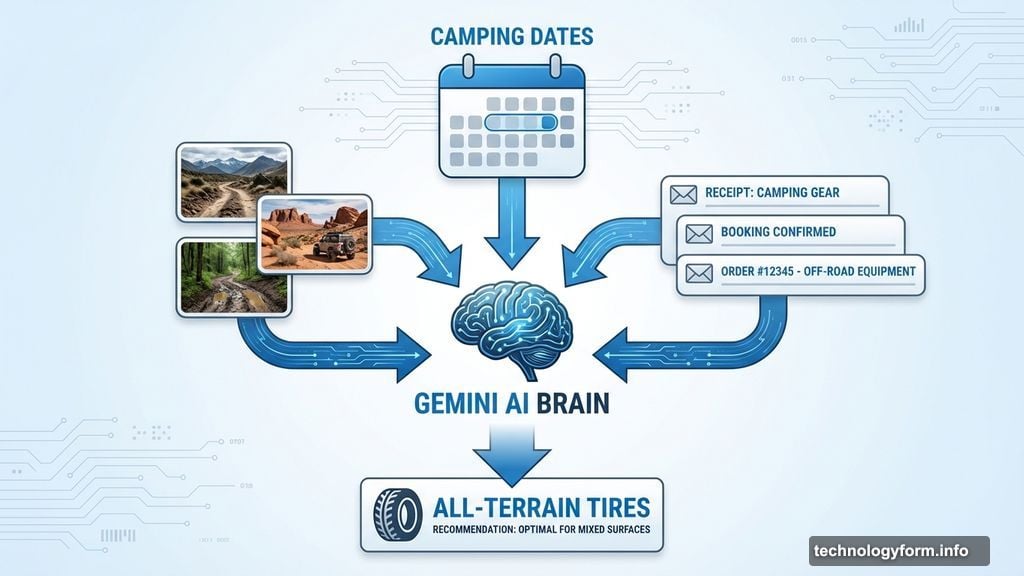
That means Gemini looks at the whole picture of your data. Then it makes recommendations based on patterns it finds. Instead of showing generic results, it considers your specific habits and preferences.
Here’s a real example from Josh Woodward, Google’s VP of Gemini. He asked about tires for his car. Regular Gemini showed specs that would work. Personalized Gemini checked his calendar and photos. Then it noticed camping trips and off-road activities. So it recommended all-terrain tires specifically.
The AI connects dots across different data types. Text from emails. Images from photos. Videos you’ve saved. It processes all formats to build a complete picture of what you actually need.
This multimodal ability matters because our important information spreads across formats. PDFs, emails, photos, videos. Gemini 3, Google’s latest model, handles these nuanced tasks better than previous versions.
Privacy Controls Still Exist
Before you panic about Google reading everything, know this. The feature stays off by default.
You choose which apps to connect when setting up. Want to link your Calendar and Photos but not Gmail? That’s fine. You control the access.
Google promises it won’t use your entire Gmail inbox to train AI models. But it does train on “limited info, like specific prompts in Gemini and the model’s responses” to improve over time. That matches Gemini’s standard privacy policy.
So there’s still some data collection happening. Just not wholesale vacuuming of your entire digital life.
The Real Trade-Off
This feature highlights the core tension in modern AI. More personalization requires more data access. Better recommendations mean deeper insights into your life.
For some people, that’s worth it. Faster, more relevant answers save time. Especially if you’re already comfortable with Google having your data anyway.
For others, it crosses a line. Adding AI reasoning on top of data collection feels like giving up too much control. Even with privacy toggles.
Google’s betting most people will choose convenience over caution. The company’s pushing hard to make AI feel useful instead of just impressive. Features like this show that strategy in action.
Whether it works depends on how much you trust Google with the patterns of your life. The tech works. The question is whether you want it to.