Mastercard and PayPal Just Built a Payment System for AI Agents
Your AI assistant can now shop for you. And it’ll use your actual credit card.
Mastercard and PayPal teamed up to let artificial intelligence agents complete purchases on behalf of users. This isn’t some distant future concept. The system launches soon for hundreds of millions of consumers globally.
How AI Agent Payments Actually Work
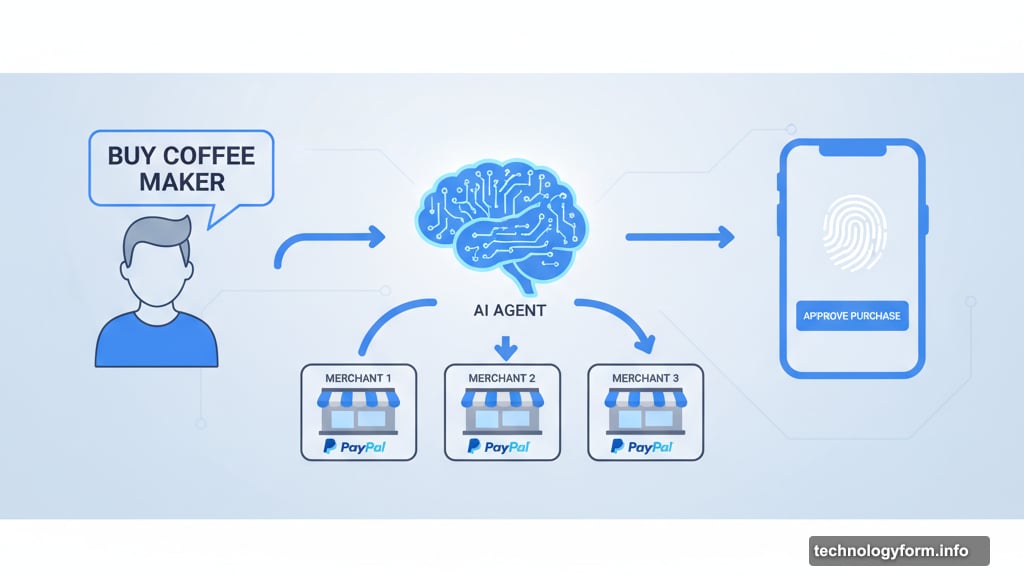
The process sounds simple. You tell your AI assistant to buy something. The assistant finds a merchant that accepts PayPal. Then it accesses your Mastercard stored in your PayPal account to complete the purchase.
But there’s a crucial security step. You must verify your identity before the transaction finalizes. No AI agent can spend your money without explicit permission.
Mastercard calls this “Agent Pay.” PayPal integrates it directly into their checkout systems. So merchants already accepting PayPal can participate without changing anything technical.
The partnership affects both co-branded cards and regular Mastercard credentials stored in PayPal wallets. That covers tens of millions of merchants worldwide.
Security Built Into Every Transaction
Both companies emphasized security measures. They’re using tokenization and authentication technologies to protect payment data.
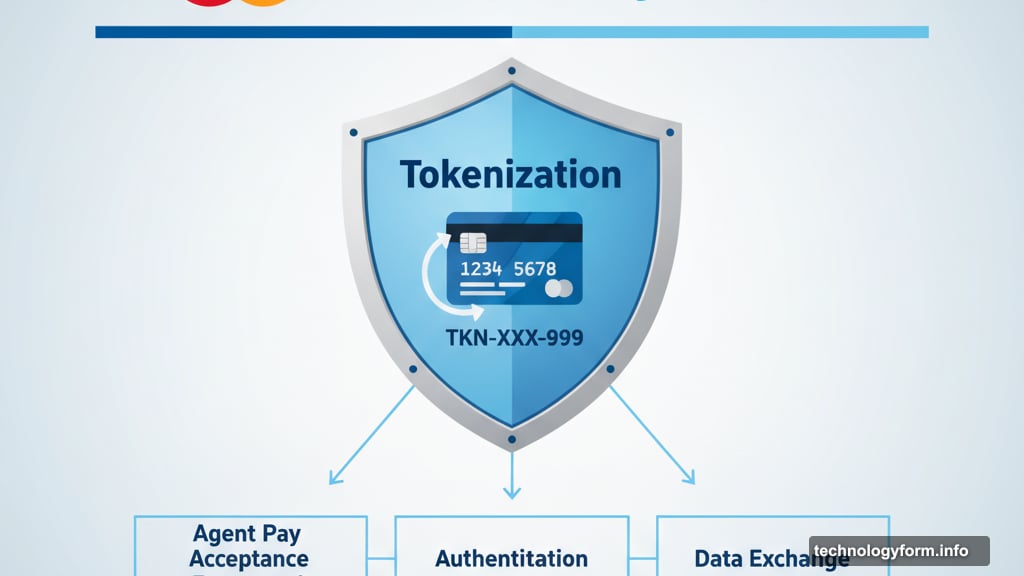
Tokenization replaces your real card number with a temporary code. So even if something goes wrong, hackers can’t steal your actual credit card details. Plus, the verification step adds another layer of protection.
The system also includes what Mastercard calls the “Agent Pay Acceptance Framework.” This ensures AI agents work properly with existing payment infrastructure. It handles verification, data exchange, and compatibility with both Mastercard systems and common AI protocols.
Sherri Haymond, co-president of Global Partnerships at Mastercard, said the collaboration drives “agentic innovation at global scale.” The goal? Help merchants and consumers transact with confidence and trust.
What This Means for Shopping
AI agents handling purchases could change how we buy things online. Instead of manually browsing websites and entering payment info, you’d simply tell your AI what you need.
The AI finds products, compares prices, and completes purchases. All while you focus on other tasks. That’s the promise, anyway.
But reality might differ. AI agents still make mistakes. They might buy the wrong item or choose overpriced options. The verification requirement helps prevent costly errors.
PayPal’s Michelle Gill called the partnership a way to enable “AI-driven commerce with trust and flexibility at the center.” Merchants get access to AI shoppers without technical headaches. Consumers get convenience with security guardrails.
The Bigger Picture for Payment Tech
This partnership builds on an existing relationship between Mastercard and PayPal. But it represents something larger: payment companies preparing for an AI-driven future.
Other players are developing similar systems. Credit card companies want to ensure their networks work with AI agents. Otherwise, they risk losing relevance as technology evolves.
However, questions remain. Will consumers trust AI agents with their money? How often will verification requirements interrupt the convenience? And what happens when AI agents make purchasing mistakes?
Plus, there’s the data question. These systems collect information about your shopping habits, preferences, and spending patterns. That data becomes increasingly valuable as AI learns to predict what you want before you ask.
Should You Let AI Shop for You?
Honestly? Start slow if this technology becomes available to you.
The security measures sound solid. Tokenization works. Verification requirements add protection. Both companies have reputations to protect.
But AI agents aren’t perfect. They interpret instructions based on training data and algorithms. Sometimes they get it wrong. So using them for routine, low-stakes purchases makes sense. Letting them handle expensive or complex transactions? That’s riskier.
The convenience factor is real. Delegating routine shopping to AI could save significant time. But you’ll need to stay engaged enough to catch mistakes before they happen.
This partnership signals where digital payments are heading. AI agents will handle more transactions whether we like it or not. The companies building these systems just need to ensure security keeps pace with innovation. Otherwise, convenience becomes a liability.