Microsoft Turned Copilot Into a Shopping Cart. Here’s Why That’s Risky
Microsoft just added checkout buttons directly inside Copilot. Now when you ask about bedside lamps or sneakers, the AI doesn’t just recommend products. It lets you buy them without ever leaving the chat.
Sounds convenient. But this shift transforms AI chatbots from helpful assistants into digital storefronts. And that changes everything about how we interact with these tools.
Copilot Checkout Works Exactly Like You’d Expect
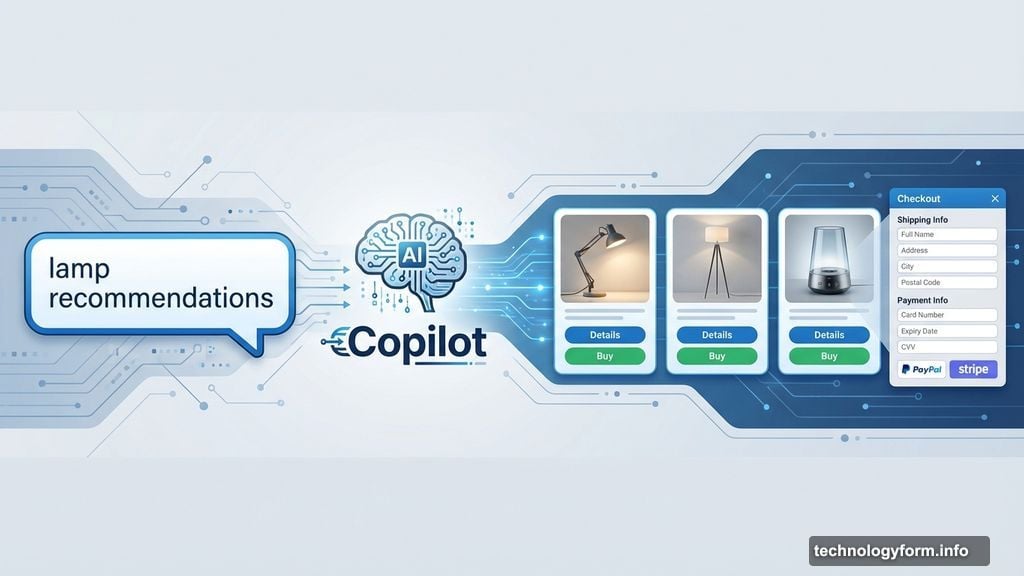
The new feature launches when you ask Copilot for product recommendations. Let’s say you need a small lamp for your nightstand.
Copilot suggests options. Then it shows two buttons: “Details” and “Buy.” Hit “Buy” and a checkout screen appears right in the chat window. Enter shipping info, payment details, and confirm. Done.
No visiting retailer websites. No comparison shopping across tabs. Just AI recommendation straight to purchase. Microsoft partnered with PayPal, Stripe, and Shopify to handle payments. Current retail partners include Urban Outfitters, Anthropologie, Ashley Furniture, and select Etsy sellers.
The feature rolled out this week on Copilot.com for US users. More retailers will join soon.
Every Major AI Platform Races Toward Commerce
Microsoft isn’t alone in this push. In fact, they’re playing catch-up.
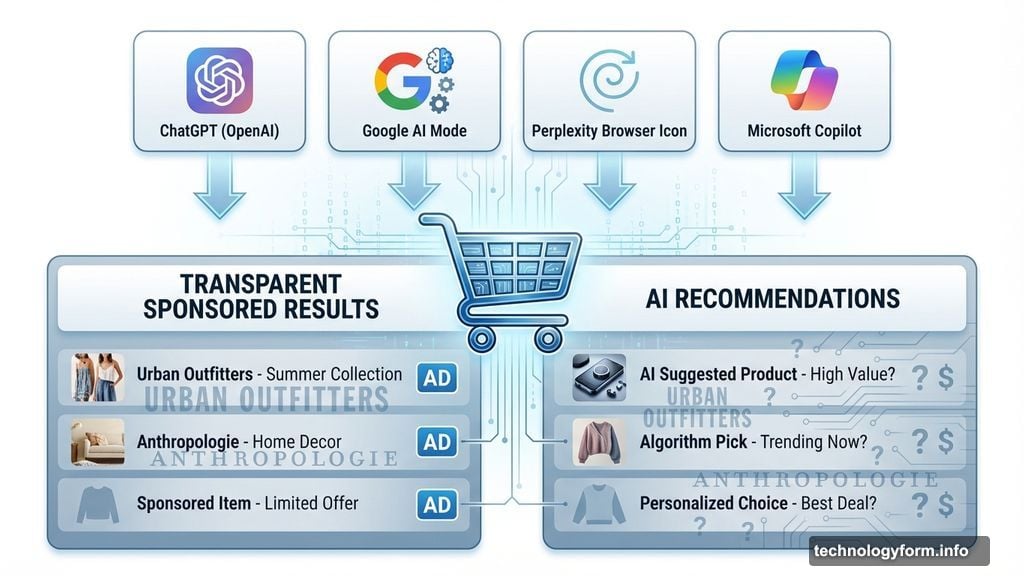
OpenAI added built-in checkout to ChatGPT recently. Google launched agentic checkout in Search and AI Mode. Perplexity built shopping features into both its browser and chatbot. Even smaller AI startups are racing to become shopping platforms.
Why the sudden rush? Simple. AI companies need revenue models beyond subscriptions. Plus, retailers want access to AI-powered discovery. It’s a match made in capitalism heaven.
But here’s the problem. These AI agents don’t just suggest products anymore. They actively guide purchase decisions. And the line between helpful recommendation and paid placement gets blurry fast.
The Trust Problem Nobody’s Talking About
When you ask Copilot for lamp suggestions, how does it choose which products to show? Does it prioritize quality? Price? Or retailers paying the highest referral fees?
Microsoft hasn’t disclosed how product selection works. Neither have OpenAI, Google, or Perplexity. That opacity creates a massive trust problem.
Traditional search engines at least showed you sponsored results clearly labeled. You knew when ads appeared. But AI chatbots present recommendations as objective advice. They sound authoritative. They feel personalized.
Yet behind the scenes, financial incentives might drive those suggestions. Amazon already sued Perplexity for allegedly steering users away from Amazon toward Perplexity’s own shopping features. That tells you everything about where this is heading.
Comparison Shopping Just Got Harder
Here’s what worries me most. Embedding checkout directly in AI chat removes the natural pause where you’d compare options.
Before this, you’d ask Copilot for suggestions. Then you’d visit a few retailer sites. Check reviews. Compare prices. Make an informed decision. That friction was actually healthy. It protected you from impulse purchases and helped you find better deals.
Now Copilot removes that friction entirely. One click from recommendation to purchase. Great for conversion rates. Terrible for thoughtful buying decisions.
Plus, once you’ve entered payment info in Copilot, buying the next AI-recommended product gets even easier. Microsoft just trained you to trust its commercial suggestions without question.
Three Smart Shopping Rules for AI Age
Don’t let AI convenience override your judgment. Here’s how to shop smarter even as these features proliferate.
First, never buy on first recommendation. When AI suggests a product, treat it like you would any sponsored content. Copy the product name and search elsewhere. Check reviews on independent sites. Compare prices across retailers. That extra step saves money and prevents regret.
Second, question the source. Ask yourself why the AI recommended this specific product. Is it genuinely the best option? Or does the retailer pay higher referral fees? Without transparency, assume financial incentives exist.
Third, disable one-click purchasing. Don’t save payment info in AI chatbots. Make yourself manually enter details for each purchase. That forced pause gives you time to reconsider. It sounds annoying but prevents expensive mistakes.
Where This Goes Next
AI-powered shopping will only accelerate. Soon these chatbots won’t just recommend products when asked. They’ll proactively suggest purchases based on your conversations.
Mentioned you’re tired during a chat? Here’s a mattress to buy. Complained about your coffee maker? Here’s an upgrade, one click away. The line between helpful assistant and aggressive salesperson will vanish completely.
Microsoft and its competitors are betting you’ll embrace this convenience. They’re probably right. But that doesn’t mean we should blindly trust AI shopping recommendations without scrutiny.
Smart consumers will treat AI product suggestions the same way they treat Instagram ads or TikTok shop features. Interesting. Sometimes useful. But always viewed with healthy skepticism.
Because once AI controls both the question and the answer, along with the checkout button, they control far more than just your shopping cart.