Microsoft Built Its Own AI Image Generator. It’s Fast, But Missing Something
Microsoft just launched MAI-Image-1, its first homegrown image generator. The model went live in Bing Image Creator and Copilot Audio Expressions this week.
But here’s the catch. European users can’t access it yet. Microsoft AI chief Mustafa Suleyman says it’s “coming soon” to the EU, though no timeline exists.
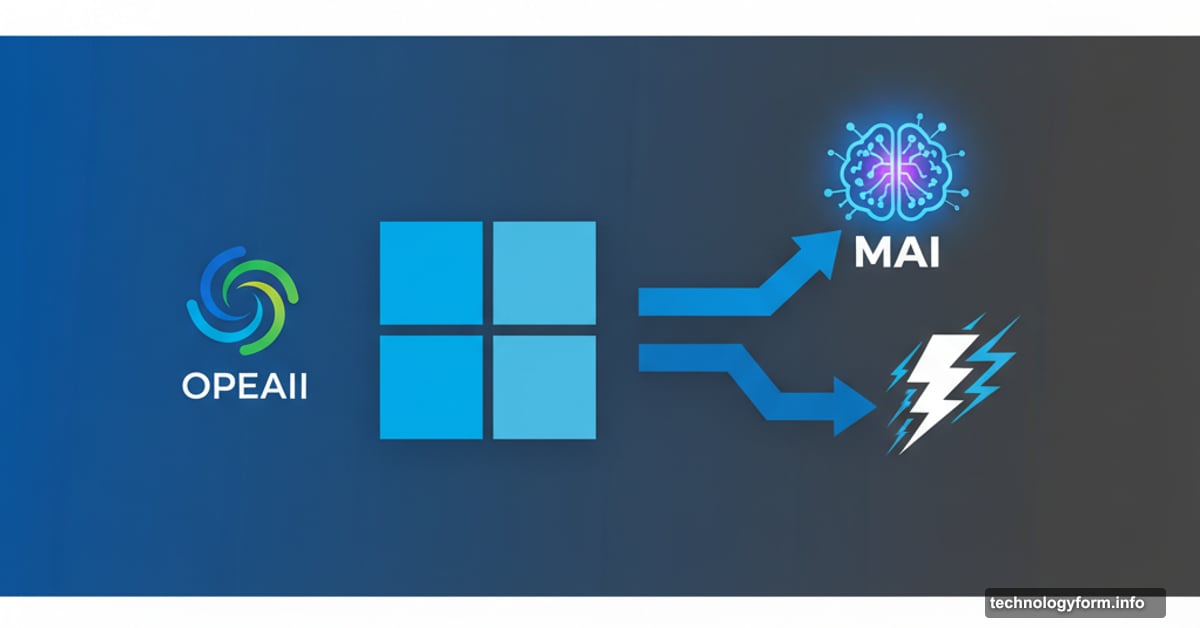
This marks a subtle but important shift. Microsoft spent years leaning heavily on OpenAI’s technology. Now they’re building their own tools. That tells us something about where AI partnerships are headed.
What Makes MAI-Image-1 Different
Speed defines this model’s appeal. Microsoft claims it generates images faster than many larger, slower alternatives while maintaining quality.
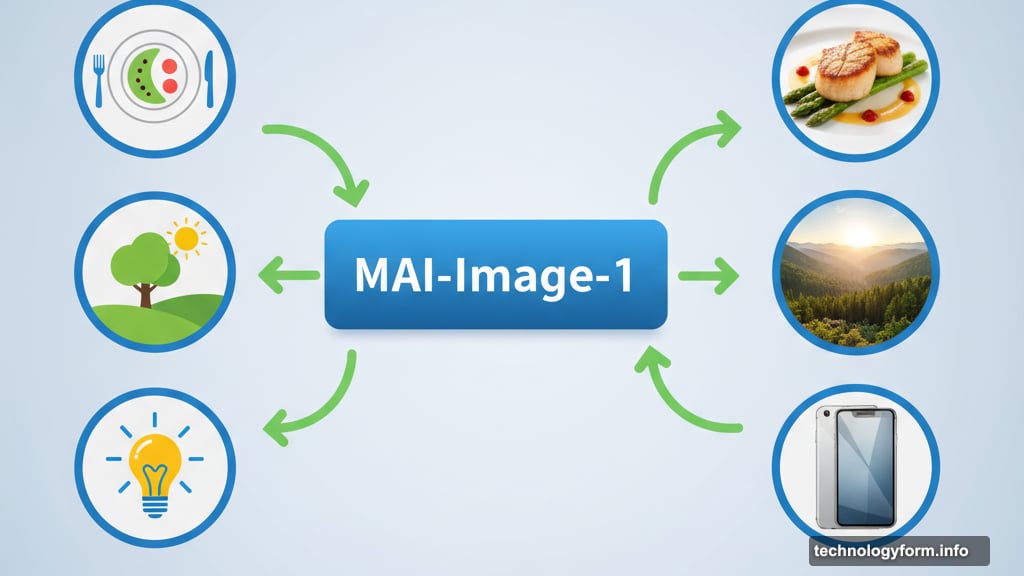
The company says MAI-Image-1 excels at specific tasks. Food photography. Nature landscapes. Complex lighting effects like bounce light and reflections. Plus, it handles photorealistic detail better than you’d expect from a speed-optimized model.
Suleyman highlighted these strengths on X. But notice what’s missing from that list? Creative illustration styles. Abstract art. The quirky, stylized outputs that make models like DALL-E 3 interesting for designers.
So MAI-Image-1 targets practical use cases. Product photos. Marketing materials. Content that needs to look real and render quickly. It’s not trying to be everything to everyone.
Where You’ll Actually Use It
Bing Image Creator now offers three models. DALL-E 3, GPT-4o, and MAI-Image-1. Users can switch between them depending on their needs.
That multi-model approach makes sense. Different tasks require different tools. Need something weird and artistic? Use DALL-E 3. Want fast, photorealistic results? Try MAI-Image-1.
Meanwhile, Copilot Audio Expressions uses MAI-Image-1 to generate artwork for AI audio stories. The company calls this “story mode” in its text-to-speech platform. So the model creates visual companions to narrated content automatically.

This integration reveals Microsoft’s strategy. Build specialized models for specific products. Don’t try to create one AI that does everything perfectly.
Microsoft’s Quiet Pivot Away From OpenAI
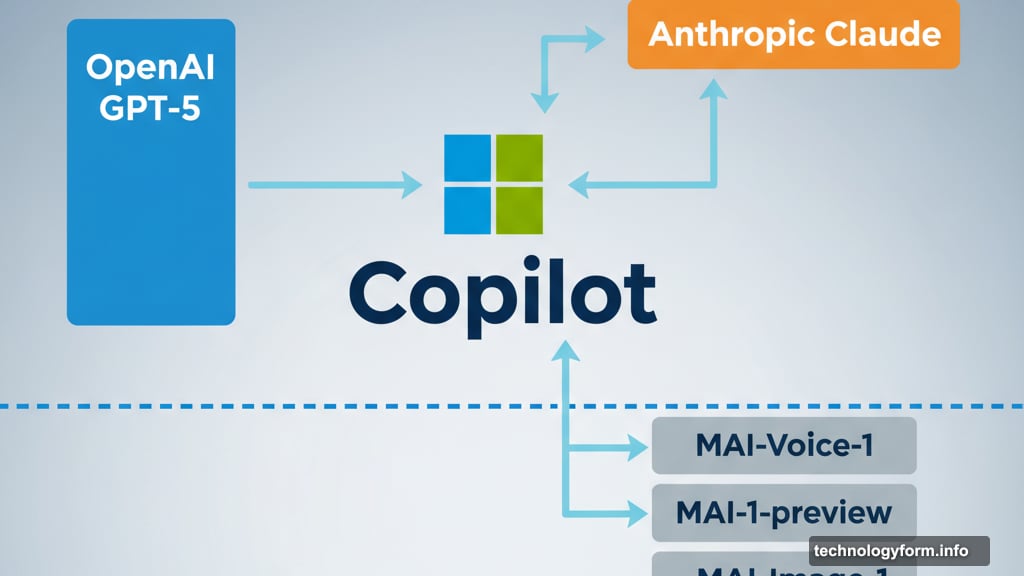
Back in August, Microsoft announced its first in-house AI models. MAI-Voice-1 for speech. MAI-1-preview for text. Now MAI-Image-1 for images.
Yet Microsoft’s Copilot chatbot still uses OpenAI’s latest GPT-5 model. Plus, they added Anthropic’s Claude as an option. So Microsoft isn’t abandoning partnerships. They’re diversifying.
This hedging strategy makes business sense. Relying entirely on OpenAI created dependencies. What happens if OpenAI raises prices? Or changes terms? Or prioritizes other partners?
Building proprietary models gives Microsoft leverage. They can negotiate better with partners when they have alternatives. Plus, they control the entire stack for certain use cases.
The EU Problem Nobody’s Solving
MAI-Image-1 isn’t available in European markets yet. Microsoft promises it’s coming but offers no specifics.
This pattern keeps repeating across the AI industry. New models launch everywhere except Europe. Companies cite regulatory concerns. They promise EU access “soon.” Then months pass.
The gap between what’s available in the US versus Europe keeps widening. That creates competitive disadvantages for European businesses using these tools. It also makes testing and feedback loops slower since developers can’t access everything globally.
Microsoft needs to solve this faster. “Coming soon” without dates feels like an excuse at this point.
What This Means for Designers
If you’re creating content, you now have more options. But more options doesn’t always mean better outcomes.
MAI-Image-1 works best for specific scenarios. Product shots. Nature photography. Marketing images that need realistic lighting. For those tasks, it’ll probably save time versus DALL-E 3.
But creative projects might still favor other models. DALL-E 3 offers more artistic flexibility. GPT-4o handles complex prompts differently. So learning which model fits which task becomes the new skill.
Plus, Microsoft’s multi-model approach in Bing Image Creator lets you compare outputs quickly. Generate the same prompt with all three models. Pick the best result. That flexibility matters more than having one “perfect” model.
Microsoft’s building solid tools for practical image generation. Speed and photorealism serve real needs. But creative professionals shouldn’t expect MAI-Image-1 to replace everything else in their workflow.
The question isn’t whether Microsoft’s model is good. It’s whether having another fast, realistic image generator actually solves problems that existing tools didn’t already address.