Coca-Cola’s AI Holiday Ad Bombed. But Not for the Reason You Think
Coca-Cola just dropped its 2025 holiday commercial. It uses AI-generated animals, snowy landscapes, and that signature red truck. Predictably, the internet erupted.
But here’s the twist. The worst part isn’t the uncanny valley polar bears or the plastic-looking pandas. It’s something far more insidious that nobody’s talking about.
Let’s break down why this bland, sanitized ad represents everything wrong with AI in advertising right now.
The Ad Itself Is Aggressively Boring
First, what you’re actually watching. A Coca-Cola truck drives through winter scenery. AI-generated forest animals wake up, follow the truck, and gather at a Christmas tree. That’s it.
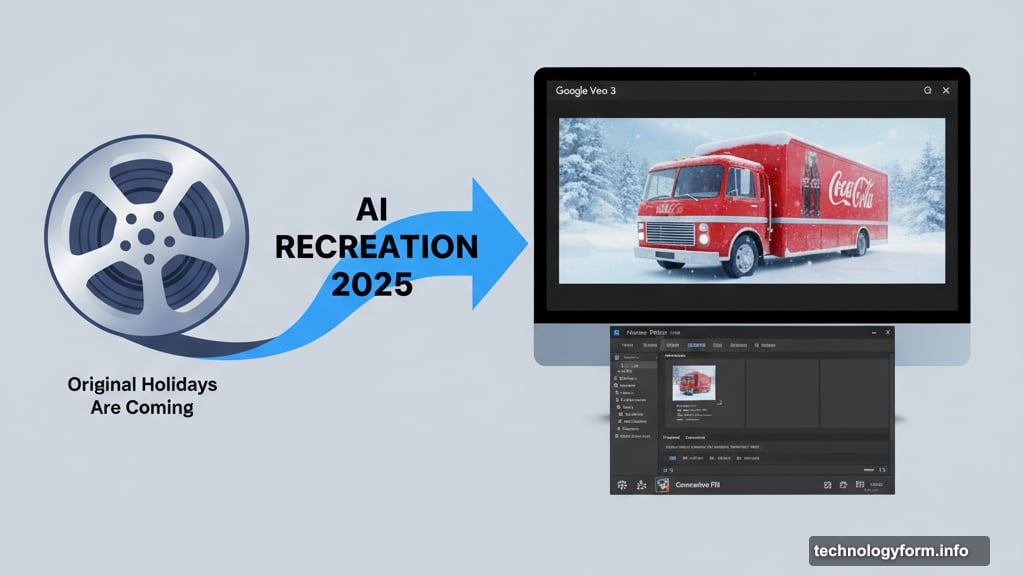
Sound familiar? That’s because Coca-Cola literally remade its 1995 “Holidays Are Coming” commercial. Same concept, same shots, just with AI replacing human animators this time.
The result feels hollow. Safe. Corporate-approved in the worst possible way. Plus, it lacks any of the charm that made the original memorable.
Those Animals Look Deeply Wrong
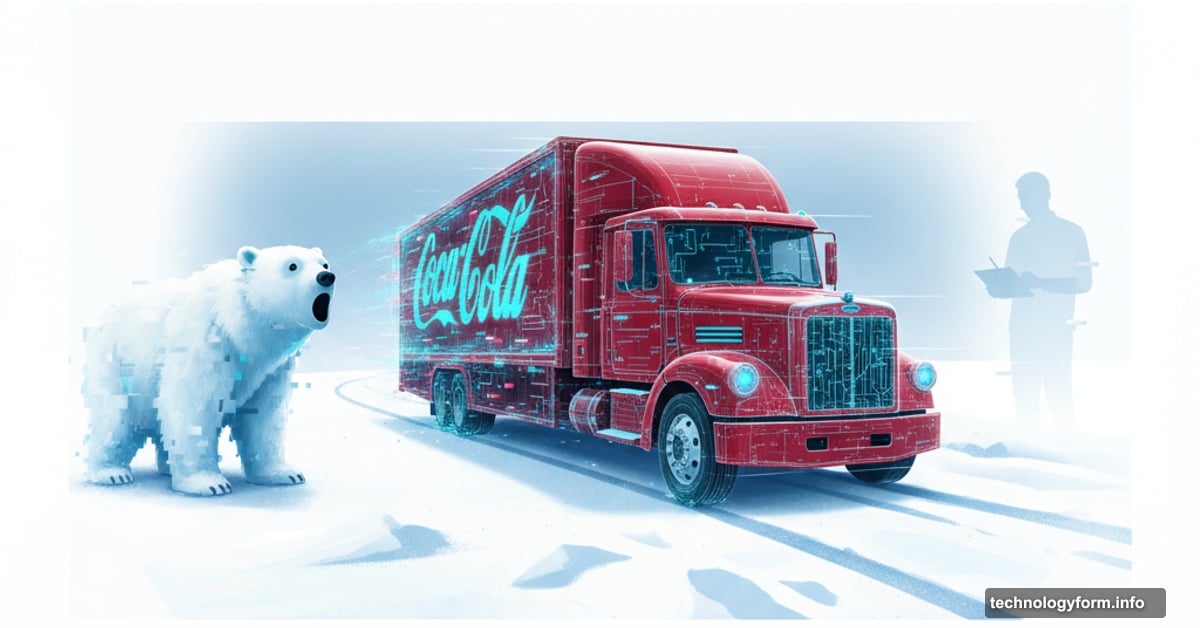
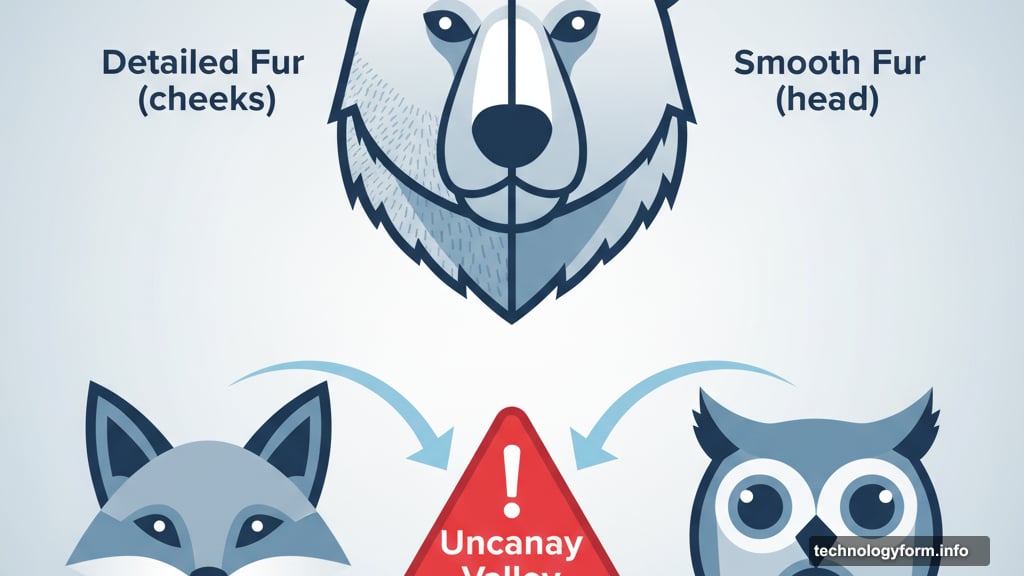
The technical execution reveals AI’s current limitations. Look closely at the polar bear’s fur. It’s detailed on the cheeks but weirdly smooth on top of its head. That inconsistency screams AI generation.
Moreover, the animals make exaggerated surprised faces with perfect circular mouths. Real animals don’t do that. But AI video generators love creating these uncanny expressions because they’re trained on cartoon logic.
Behind-the-scenes footage shows someone clicking through different AI variations of a sea lion’s nose. That’s a dead giveaway of generative tools at work. In fact, you can spot what looks exactly like Photoshop’s generative fill feature in the production video.
Google’s Veo video generator definitely handled some scenes. The interface appears clearly in one shot showing the Veo 3 model selected to create truck footage.
AI Everywhere Becomes AI Nowhere Special
Here’s what really bothers people. AI content has become completely normalized. We can’t escape chatbots online. We scroll past AI slop in our social feeds daily. Now major brands deploy AI in prime-time holiday advertising.
Coca-Cola isn’t breaking new ground here. They’re following a playbook written by countless other companies rushing to adopt AI without considering consequences. Amazon just laid off thousands of workers partly to justify AI investments. That pattern repeats across industries.
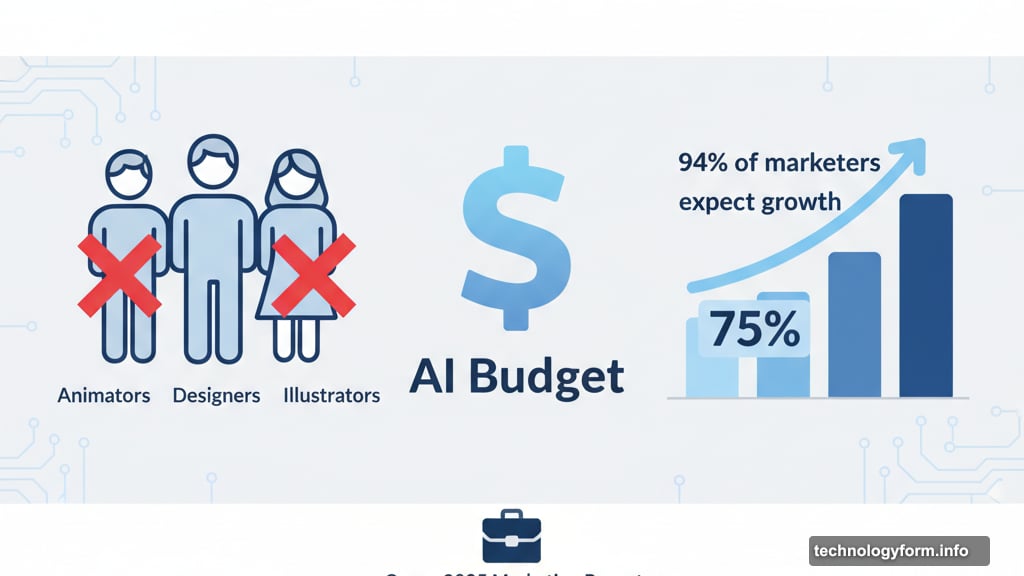
In fact, 94% of marketers now have dedicated AI budgets according to Canva’s 2025 Marketing and AI report. Three-quarters expect those budgets to grow. Translation: AI in advertising isn’t going anywhere.
The Real Victims Aren’t Viewers
Think about who didn’t work on this commercial. Human animators who could’ve created far more detailed, expressive animals. Designers who understand how fur actually behaves. Illustrators with decades of experience bringing characters to life.
Those jobs vanished. Replaced by executives clicking through AI-generated variations until something looked “good enough.” That’s the business case for AI right now: mediocre results at lower cost.
Creative professionals see this coming. Models spoke out when Vogue ran Guess ads featuring AI-generated models in June. Photographers protested when J.Crew used “AI photography” a month later. Their concerns proved justified.
Yet Coca-Cola plows ahead anyway. The company partnered with OpenAI back in 2023. Their advertising agency, Publicis Group, literally won Coca-Cola’s business by pitching an AI-first strategy. Customer backlash won’t change their trajectory.
One Thing Coca-Cola Actually Got Right
Surprisingly, Coca-Cola included clear AI disclosure at the beginning. A small note in the corner reads “Created by Real Magic AI.” That matters more than you might think.
Transparency separates questionable AI use from outright deception. Many brands hide their AI usage because they fear backlash. But letting audiences debate whether content is AI-generated wastes everyone’s time and erodes trust.
Social media platforms try flagging AI content automatically. Those systems fail constantly. So manual disclosure remains our best tool for maintaining some connection to reality.
Compare this to Mariah Carey’s recent holiday ad with Sephora. Did she use AI? Nobody knows because she won’t say. That ambiguity feels worse than Coca-Cola’s obvious AI animals.
The Normalization Nobody Notices
This bland holiday ad represents something darker than bad animation. It’s the quiet normalization of consequential technology without meaningful discussion of impacts.
We’re not talking about groundbreaking AI breakthroughs here. This isn’t GPT-5 or some medical imaging revolution. It’s a soda company cutting corners on animation work because AI offers plausible deniability for cost-cutting.
Each time a major brand deploys AI this way, it shifts expectations. Other companies point to Coca-Cola and say “if they can do it, why can’t we?” The bar drops incrementally until mediocre AI content becomes standard.
That’s exactly why this matters. Not because the polar bears look plastic. Because this represents where creative work is heading if we don’t push back.
What Actually Changes
Coca-Cola won’t reverse course based on Twitter complaints. They’ve invested too heavily in AI partnerships and AI-first strategies. Plus, executives already convinced themselves this is innovation rather than corner-cutting.
But audiences still have power. Viewer reactions matter to brands obsessed with public image. Declining to buy products from companies that replace human creativity with AI slop sends a message.
More importantly, demanding transparency and quality standards can slow AI’s takeover of creative industries. When brands face real consequences for lazy AI deployment, they might reconsider their strategies.
The holiday season just started. More AI-generated ads are coming. Each time you spot one, ask yourself whether replacing human creativity with algorithm output actually improves anything.
Usually, the answer is no. And that’s exactly why people are angry about a simple soda commercial featuring fake polar bears.