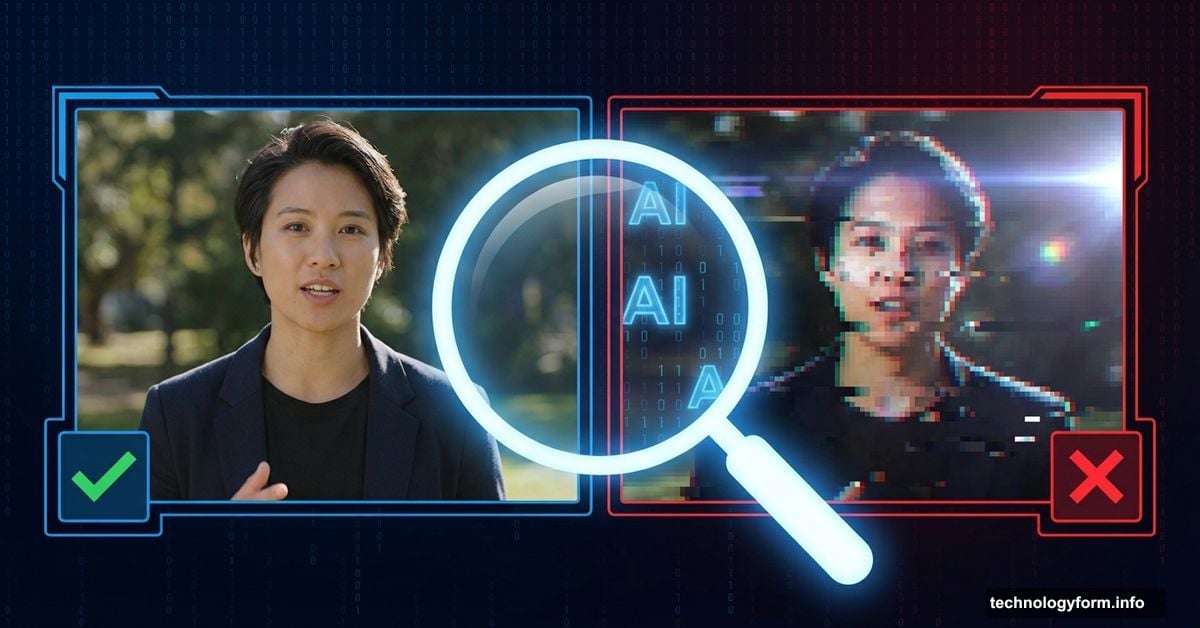
AI Videos Are Fooling Everyone. Here’s How to Catch the Fakes
Deepfakes have invaded your feed. Those cute animal videos? Probably AI. Celebrity endorsements? Often fake. Disaster footage? Potentially manufactured.
The line between real and artificial has basically disappeared. But you’re not powerless. Let’s break down how to spot these increasingly realistic AI creations before they fool you.
Why Modern AI Videos Are So Convincing
AI video generators like OpenAI’s Sora and Google’s Veo 3 changed the game completely. These tools create high-resolution videos with synchronized audio and surprising creativity.
Plus, features like Sora’s “cameo” let anyone insert real people’s faces into fabricated scenes. The results look scarily authentic. No special skills required.
These aren’t the glitchy, obviously fake videos from a year ago. Modern AI generators produce content that fools millions daily. In fact, even experts struggle to identify them consistently.
That’s exactly why unions like SAG-AFTRA are pushing for stronger protections. Public figures and celebrities face the biggest risks. But ordinary people aren’t safe either.
Check for the Sora Watermark First
Every Sora video downloaded from the iOS app includes a moving watermark. It’s the white cloud icon that bounces around the video edges.
This moving watermark works like TikTok’s branding. Google’s Gemini Nano Banana model uses a similar approach. These visual markers help identify AI content at a glance.
However, watermarks aren’t foolproof. Static watermarks get cropped out easily. Moreover, apps specifically designed to remove moving watermarks already exist.
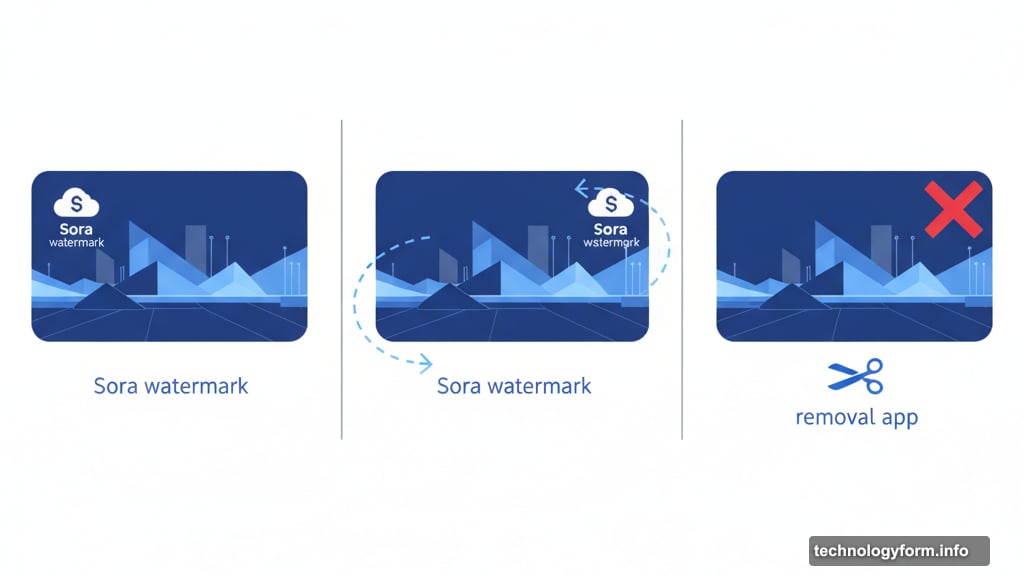
So while watermarks provide a helpful first check, they can’t be your only verification method. Creators can strip them away with minimal effort.
Dive Into the Video Metadata
Metadata sounds technical. But checking it takes just seconds and reveals crucial information about any video’s origins.
Every photo and video carries metadata automatically. This includes creation date, location, camera type, and increasingly, AI generation markers.
OpenAI participates in the Coalition for Content Provenance and Authenticity. That means Sora videos include C2PA metadata that flags their AI origins.
How to Verify Content Authenticity
Navigate to the Content Authenticity Initiative’s verification tool at verify.contentauthenticity.org. Upload your suspicious video. Then check the right-side panel for content summary details.
Legitimate Sora videos show “issued by OpenAI” and explicitly state they’re AI-generated. The tool displays creation date and time too.
But this method has limits. Videos processed through third-party apps often lose their metadata markers. Midjourney videos don’t get flagged at all, based on testing.
Still, metadata checking catches most mainstream AI video generators. It’s worth the extra 30 seconds.
Look for Platform AI Labels
Meta’s platforms (Instagram and Facebook) use internal systems to flag AI content automatically. These labels appear on posts the system identifies as artificial.

TikTok and YouTube employ similar policies. The labels aren’t perfect. Yet they catch enough AI content to make them useful screening tools.
The most reliable method remains creator disclosure. Many platforms now offer settings for labeling AI-generated posts. Honest creators use them.
However, not everyone discloses AI use. That’s where your detective work becomes essential.
Trust Your Instincts Above All
No single method guarantees 100% accuracy. The best defense is healthy skepticism about everything you see online.
If something feels unreal, it probably is. Modern AI struggles with certain details. Watch for mangled text, disappearing objects, and physics-defying motions.
Hands remain particularly tricky for AI. Look at fingers carefully. Extra digits, missing joints, or unnatural positioning often reveal AI origins.
Background consistency matters too. AI-generated scenes sometimes show objects that appear and vanish randomly. Trees might change shape between frames. Shadows might point the wrong direction.
Why This Problem Keeps Growing
Google and OpenAI are locked in an arms race to develop the most advanced AI across all modalities. Each company releases new flagship models trying to outdo the other.
Generative media became a major focus area in 2025. These image and video models give companies competitive advantages they desperately want.
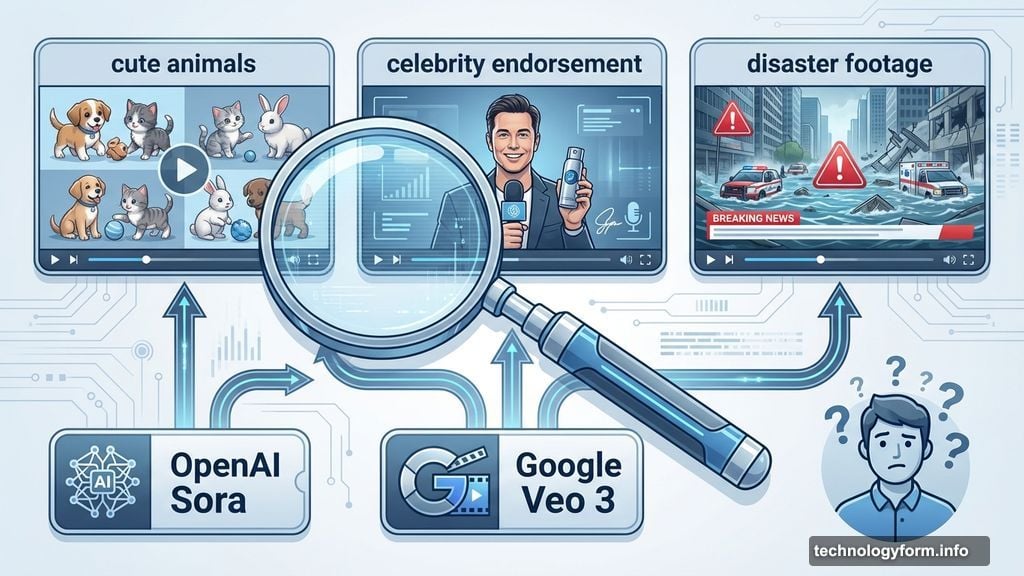
Meanwhile, concerns mount about filling the internet with AI slop. Experts worry these tools enable dangerous misinformation campaigns. False disaster broadcasts could cause real panic.
Society now faces Sam Altman’s reality: anyone can create fake videos of anyone. Prior to Sora and similar tools, that capability required serious technical skills. Now it’s accessible to everyone.
The Collective Responsibility
When you create AI content, disclose it clearly. Add a simple caption credit. Use platform labeling features. Make it obvious how you created the video.
On Sora’s platform, everyone knows nothing is real. But once that content spreads to other platforms, context disappears. Your disclosure helps maintain trust.
This responsibility extends beyond creators. Share skeptically. Question sensational content before reposting. Verify before you amplify.
The AI slop problem won’t fix itself. We’re all swimming in this sea together. Your vigilance helps keep everyone safer.
Reality Check: Even Experts Get Fooled
Don’t beat yourself up when AI videos trick you. Even trained professionals make mistakes identifying deepfakes.
The technology improves daily. What seems obvious today might become undetectable tomorrow. That’s the nature of this AI arms race.
Your best strategy combines multiple verification methods. Check watermarks. Examine metadata. Look for platform labels. Trust your gut. Inspect closely for visual glitches.
No method works perfectly alone. Together, they significantly improve your accuracy detecting AI-generated content. Stay alert and question everything that seems too perfect to be true.