Your Grocery App Just Got Smarter. AI Now Reads Nutrition Labels For You
Scanning barcodes at the grocery store used to mean checking prices. Now it means understanding exactly what’s inside your food.
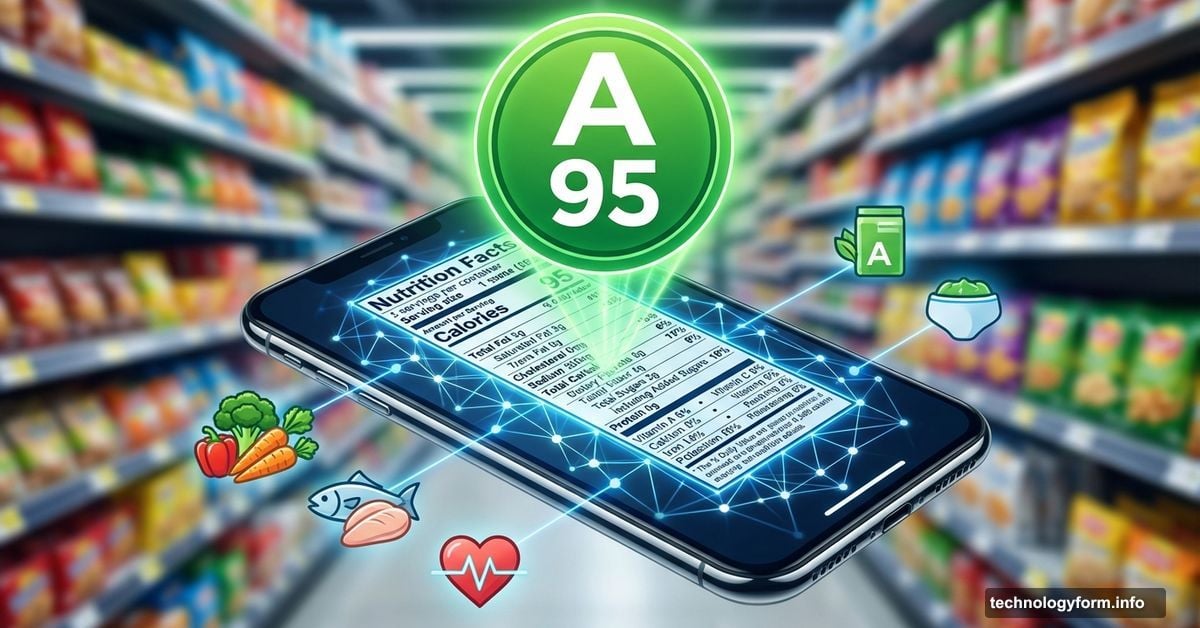
WiseCode launched as a free AI-powered nutrition scanner that analyzes over 700,000 packaged foods. It doesn’t just read labels. It decodes them, translating ingredient lists and nutrition facts into plain language you can actually use while shopping.
The app tackles a real problem. Most people spend hours trying to decode food labels, hunting for hidden additives or comparing similar products. WiseCode promises to do that work instantly, using your phone’s camera and artificial intelligence.
But can an app really make better food choices easier? I tested it to find out.
AI Reads Labels Like a Food Scientist
WiseCode scans product barcodes or photos to pull data from its massive food database. Then AI takes over, analyzing 15 different attributes across five quality levels.
The platform checks ingredient quality, processing levels, additives, allergens and nutrient density. It cross-references manufacturer data, retailer information and public nutrition databases. The AI then standardizes everything into consistent categories.
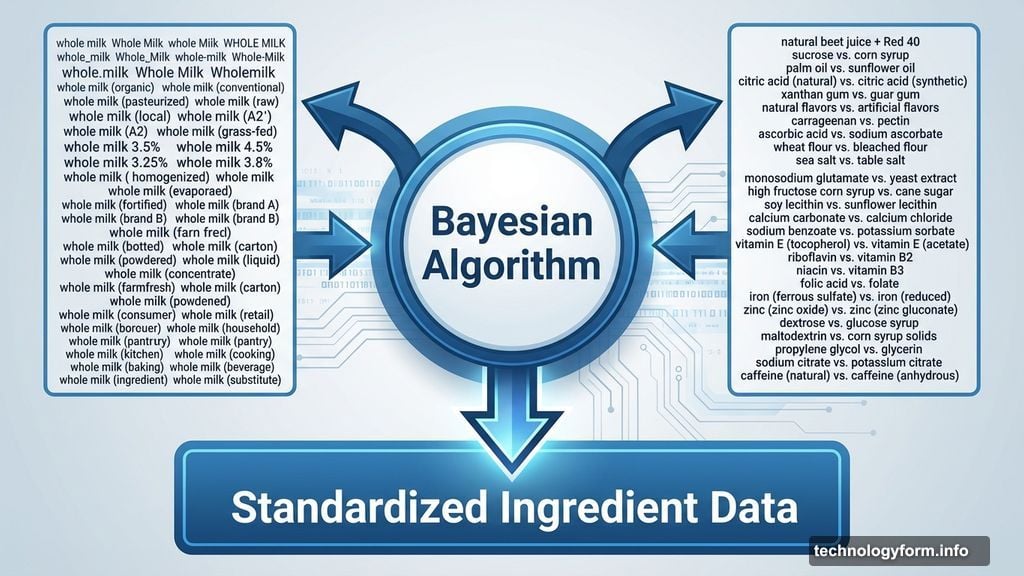
Here’s what makes it different. WiseCode recognizes that “whole milk” appears on labels in over 100 different ways. Its machine learning maps all those variations to one ingredient, so you get accurate tracking across products.
The system also spots patterns humans miss. It flags unusual ingredient combinations, like natural beet juice mixed with synthetic Red 40. It identifies nutritional imbalances that aren’t obvious from the label alone.
Dr. Richard Black, the company’s chief scientific officer, explains the technical approach. “We read ingredient lists the way a scientist would, but at the scale of hundreds of thousands of foods.”
The platform uses Bayesian statistical algorithms to estimate how each ingredient contributes to overall nutrition. When manufacturer labels don’t disclose specific amounts, the AI fills in gaps using pattern recognition from similar products.
WiseScore Cuts Through Label Confusion
Every scanned product gets a WiseScore rating from 1 to 100. The scale breaks down into five simple categories: Poor, OK, Fair, Good or Excellent.
CEO Peter Castleman designed this single-number system intentionally. “Give me one clear answer I can trust, no different than a FICO credit score,” he says. “Our AI lets us be deeply scientific without ever being overwhelming.”
The score combines ingredient quality and nutritional value into one digestible rating. No more juggling multiple metrics or trying to calculate whether 12 grams of sugar is too much.
WiseCode also generates what it calls “Codes” for quick decision-making. These are simplified signals like “high protein density” or “ultra processed” that appear instantly after scanning.
For comparison shopping, this system shines. Scan two similar products and their scores appear side by side. The difference becomes immediately clear without reading entire ingredient lists.
However, the company doesn’t fully disclose its raw data sources. It pulls from manufacturer information, barcode-linked retailer data and public nutrition references. But the exact origins of specific data points remain proprietary.
That means you’re trusting WiseCode’s algorithms without complete transparency into what feeds them. For most shoppers, that’s probably fine. For those with serious allergies or medical conditions, it’s worth noting.
Setting Up Takes Five Minutes
Getting started with WiseCode requires minimal effort. Download the free app from iOS or Android app stores. Open it and answer a quick onboarding questionnaire.
The setup asks about your dietary goals, restrictions and health status. Questions cover whether you’re pregnant, breastfeeding or managing specific conditions. These answers customize what the app flags as problematic for you personally.
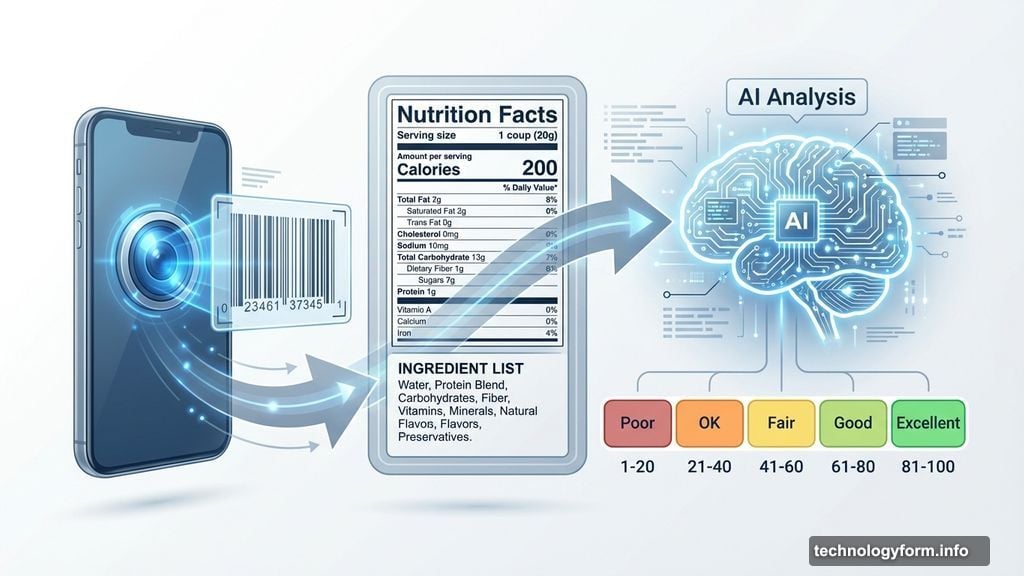
After setup, the interface centers on a big Scan button. Tap it to activate your phone’s camera. Point it at any product barcode and results appear within seconds.
If WiseCode doesn’t recognize a barcode, it prompts you to photograph the product from three angles: front, back and nutrition label. The AI processes these images to add the product to its database.
Results display across multiple categories. You’ll see ingredient quality scores, processing levels, allergen warnings and additive information. Each category includes brief explanations in plain language.
The WiseScore rating appears prominently at the top. Below that, you’ll find specific flags based on your dietary preferences. For example, if you marked “gluten-free” during setup, products containing gluten get red warnings.
Comparing products happens naturally while shopping. Scan one item, then scan another. WiseCode keeps recent scans in memory so you can flip between them to compare scores and flags.
Real-World Testing Reveals Strengths and Limits
I scanned a packet of fruit snacks first. WiseCode flagged multiple synthetic dyes and gave it a Poor rating of 32 out of 100. The app specifically called out Red 40, Yellow 5 and Blue 1 as additives to avoid.
Next I tried Jif peanut butter. WiseCode rated it Fair at 58, noting added sugar and oils that push it into the processed category. It suggested natural peanut butter alternatives with higher scores.
The speed impressed me most. Each scan took roughly two seconds from barcode detection to full results. That’s fast enough to use while actively shopping without slowing down your trip.
However, accuracy depends on database coverage. Popular brands scan perfectly. Obscure or regional products sometimes require manual photo submission. Those can take 24 hours to process as the AI learns new items.
The customization works well for dietary restrictions. I marked “gluten-free” and “additive-free” in my profile. WiseCode consistently flagged products containing gluten or gums, even when those ingredients appeared deep in the label.
One limitation: The app doesn’t account for serving sizes in its scoring. A product might rate Excellent, but if you eat three servings instead of one, those numbers change dramatically. You still need to apply personal judgment.
Machine learning means WiseCode improves over time. As more users scan products, the AI recognizes patterns and refines its ingredient categorization. Still, AI makes mistakes. Always verify critical information, especially for severe allergies.
Who Should Use This Technology
WiseCode works best for health-conscious shoppers who want to save time researching products. If you currently spend 20 minutes reading labels per grocery trip, this app cuts that to five.
People managing multiple dietary restrictions benefit significantly. Instead of reading every ingredient list for gluten, dairy and soy, WiseCode flags all three instantly based on your profile.
Parents shopping for children appreciate the quick verification. Scan snacks and drinks to avoid synthetic dyes, excessive sugar or problematic additives without becoming a nutrition expert yourself.
Athletes tracking macros can use WiseCode to quickly identify high-protein, low-sugar options. The nutrient density scoring helps spot foods that deliver more nutrition per calorie.
However, certain groups should exercise caution. Individuals with a history of disordered eating might find numeric scores triggering. The constant rating of foods as “good” or “bad” could reinforce unhealthy thought patterns.
Pregnant women and those with serious medical conditions should prioritize doctor guidance over app recommendations. WiseCode provides helpful information, but it’s not a substitute for professional medical advice.
The platform also assumes you want to minimize processing and additives. If you don’t care about ultra-processed foods, much of WiseCode’s value disappears. It’s built specifically for people trying to eat less processed diets.
Food Transparency Meets Privacy Concerns
WiseCode’s mission centers on “food transparency for all.” The company wants to democratize access to detailed nutrition information that traditionally required expertise to understand.
That’s admirable. But the app collects significant personal data during setup: health conditions, pregnancy status, dietary restrictions and shopping habits through scanned products.
The company’s privacy policy isn’t fully transparent about how it uses or shares this information. While the app is free, WiseCode likely monetizes user data somehow. Free apps rarely stay free without a business model.
Consider what you’re trading. You get convenient nutrition analysis in exchange for detailed health and shopping data. For most users, that trade makes sense. But it’s worth understanding explicitly.
Data security matters too. A breach of WiseCode’s database could expose sensitive health information tied to user profiles. The company hasn’t publicized its security measures or whether it encrypts stored data.
On the positive side, WiseCode doesn’t require accounts to use basic features. You can scan products anonymously without creating a profile. But you lose personalized recommendations and dietary filtering.
The app also doesn’t share individual scan data publicly. Unlike some fitness apps that broadcast your activities, WiseCode keeps your shopping choices private from other users.
The Bigger Picture of AI in Food
WiseCode joins a growing ecosystem of AI-powered food tools. Some apps generate recipes from available ingredients. Others predict food waste and suggest consumption timing.
What makes WiseCode different is its focus on packaged food transparency. Most nutrition apps track what you eat after the fact. WiseCode intervenes during purchase decisions, potentially changing what you buy in the first place.
This proactive approach could shift consumer behavior at scale. If millions of shoppers use WiseCode, manufacturers might reformulate products to achieve better scores. That market pressure could improve food quality industry-wide.
However, WiseCode isn’t perfect. Its competitor Yuka uses different scoring algorithms, and the two apps sometimes rate identical products differently. This reveals the subjective nature of “food quality” even when computed by AI.
The platform also can’t account for individual metabolic differences. What’s healthy for one person might be problematic for another based on genetics, microbiome composition or existing conditions.
Still, WiseCode represents meaningful progress toward accessible nutrition information. For years, detailed food analysis required either scientific training or expensive consultations. Now it’s free and instant.
Smart Shopping Requires Smart Skepticism
AI-powered nutrition tools like WiseCode offer genuine value. They save time, simplify complex information and help people make more informed choices. The technology works as advertised for most common use cases.
But technology can’t replace critical thinking. WiseScore ratings provide guidance, not gospel. Your body, preferences and health needs matter more than any algorithm’s assessment.
Use WiseCode as one input among many. Combine it with doctor recommendations, personal experience and common sense. The app works best as a helpful assistant, not an authoritative decision maker.
Also remember that “healthier” doesn’t always mean better. Sometimes convenience, taste or budget constraints outweigh optimal nutrition. Perfect eating is impossible and unnecessary for most people.
The app excels at flagging obvious problems: synthetic dyes in children’s snacks, excessive sodium in canned soups, hidden sugars in “healthy” cereals. These quick wins justify using the tool.
For edge cases and nuanced decisions, WiseCode’s limitations become more apparent. It can’t account for the joy of occasional treats, cultural food traditions or the stress reduction that comes from not obsessing over every ingredient.