Amazon Music Tests Fan Groups in Canada. Spotify Should Worry
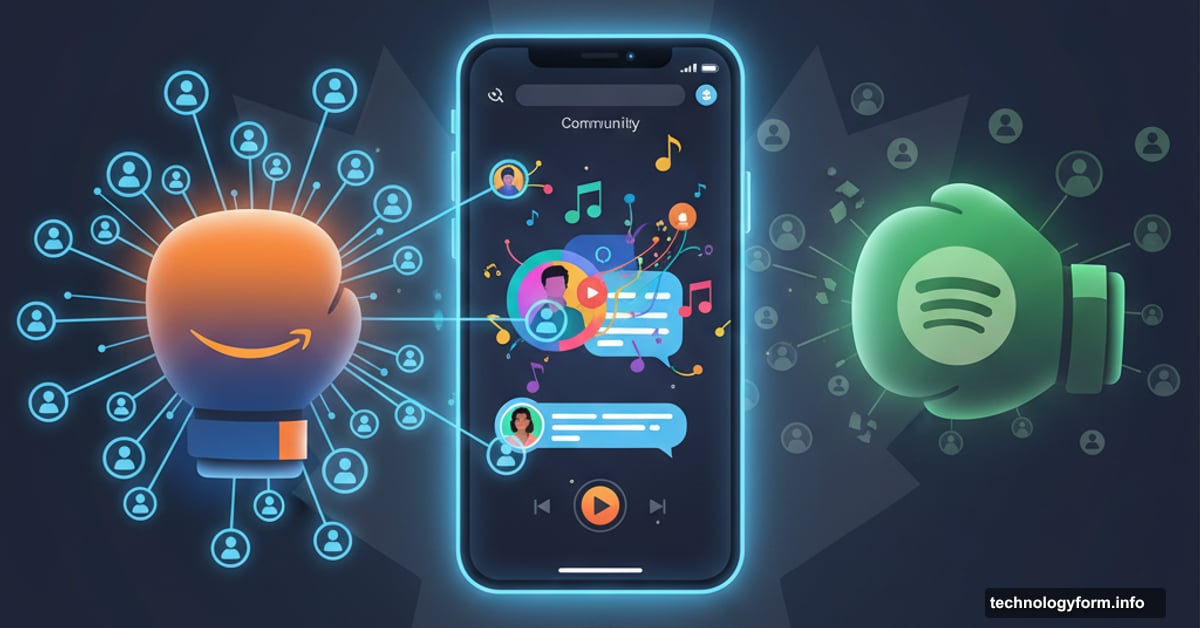
Amazon Music just rolled out something Spotify probably wishes it thought of first. The company launched “Fan Groups” in Canada, letting users create communities around their favorite artists and genres.
But here’s the twist. Unlike Spotify’s half-baked social features, Amazon built this for actual conversations. Not just sharing playlists. Real community spaces where fans connect over music they love.
This matters more than it sounds. Music streaming became a commodity. Everyone has the same songs. So platforms are fighting over features that keep users engaged beyond just hitting play.
What Fan Groups Actually Does
The feature lives in the “Find” tab beneath the search bar. Simple placement. Easy to discover.
Amazon seeded over 30 groups covering diverse genres. Indie rock sits next to Punjabi music. Country fans share space with K-pop enthusiasts. So the variety appeals to different musical tastes from the start.
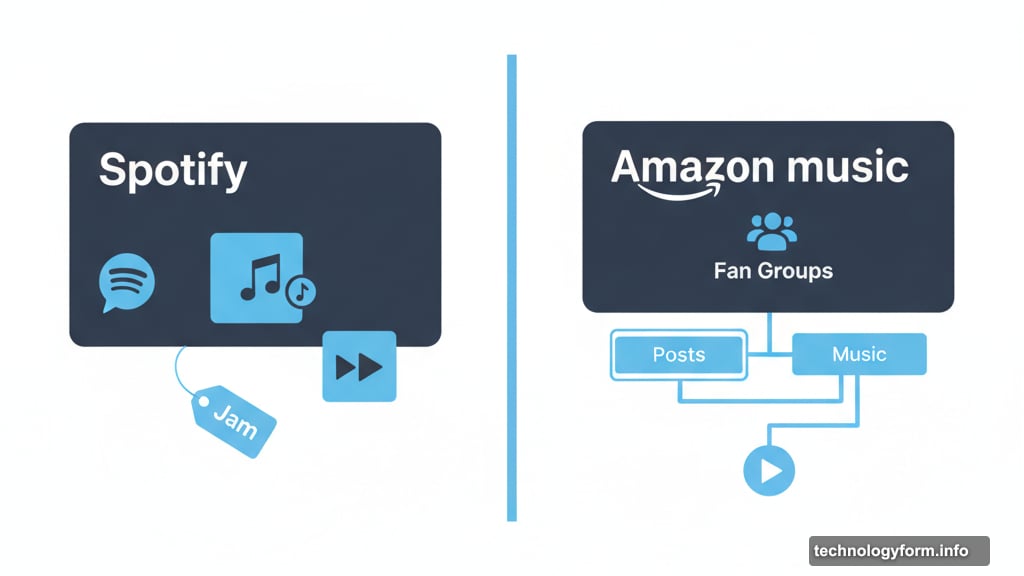
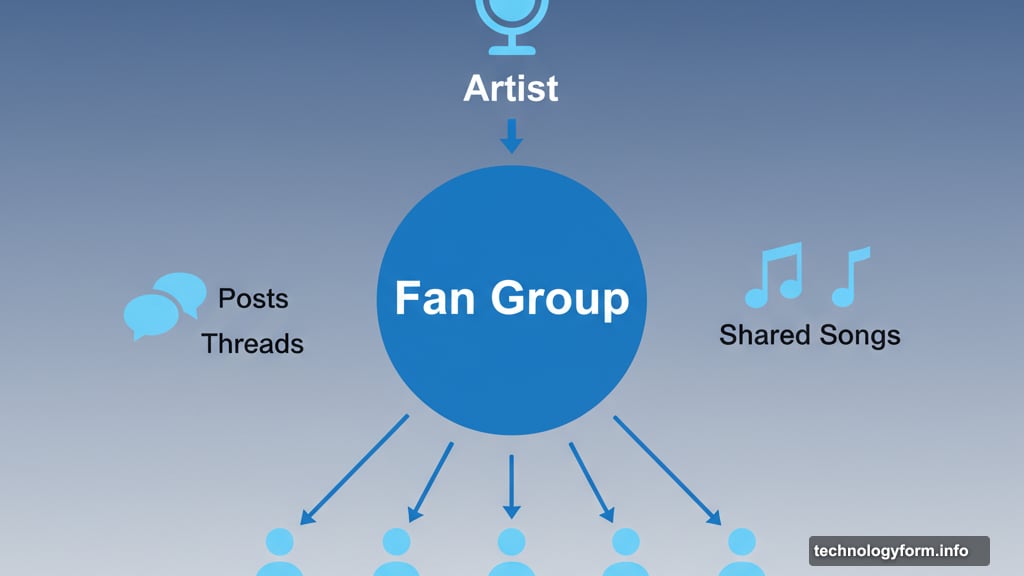
Members can post updates, chat in threads, and share songs. Plus, here’s the clever part: you can stream music without leaving the group. Tap the play button at the top to hear all shared songs. Or browse the dedicated “Music” tab next to “Posts.”
That seamless integration matters. Spotify makes you jump between features. Amazon keeps everything in one place. Less friction means users stay longer and engage more.
Artists Get Direct Fan Access
Musicians can join these groups directly. That’s huge for independent artists without massive marketing budgets.
They can share exclusive content, interact personally, and build loyal communities. No middleman. No algorithm deciding who sees their updates. Just direct connection between artist and fans.
Larger artists benefit too. Taylor Swift’s team could run an official fan group. Drop exclusive tracks. Host listening parties. Build hype for new releases. All within Amazon’s ecosystem where fans are already streaming.
Community Management That Matters
Anyone can create a group. But administrators get real moderation tools.
They can mute problematic members and delete inappropriate messages. Users can report content and block others when needed. So Amazon thought through the safety aspect before launch.
That’s smarter than most social features. Facebook and Twitter learned the hard way that communities need active moderation. Amazon built those tools from day one.
Spotify’s Social Struggles Continue
Amazon’s move highlights Spotify’s persistent problem. The company keeps adding social features that nobody uses.
Spotify introduced messaging in August. Cool in theory. But who messages friends through a music app instead of using iMessage or WhatsApp? The friction is too high.
They also launched “Jam” for collaborative playlists. Friends can listen together and add songs. Nice feature. But it requires coordination. Everyone needs to be available simultaneously. That limits real-world usage.
Meanwhile, SoundCloud added commenting and friend-based playlists. Stationhead built livestreaming parties. Everyone’s chasing the same goal: make music streaming more social and sticky.
Why Amazon Might Win This Race
Amazon has advantages others lack. Prime membership creates a built-in user base. People already trust the company with their credit cards and personal data.
Plus, Amazon can leverage its entire ecosystem. Imagine connecting Fan Groups to Amazon Live for artist performances. Or integrating with Twitch for music-focused streams. The possibilities extend beyond just the Music app.
Spotify operates in isolation. Apple Music locks into Apple’s ecosystem. But Amazon bridges multiple platforms and services. That flexibility could make Fan Groups more valuable over time.
The Canada Test Run
Amazon chose Canada for beta testing. Smart move. The market’s large enough to gather meaningful data but small enough to contain potential problems.
If Fan Groups flops, the damage stays limited. If it succeeds, Amazon has proof of concept before rolling out to the US and other markets next year.
Canadian users become guinea pigs. But they also get first access to potentially game-changing features. That’s a fair trade in tech.
What This Means for Music Streaming
The streaming wars shifted from content to community. Everyone licenses the same music catalogs. So differentiation comes from how users experience and share that content.
Fan Groups transforms passive listening into active participation. You’re not just consuming music. You’re discussing it, discovering new artists through trusted fans, and building relationships around shared interests.
That engagement creates stickiness. Users who actively participate in communities are less likely to switch platforms. Even if a competitor offers cheaper pricing or better audio quality.
The Real Test Comes Next
Fan Groups sounds promising. But beta features often fail when they scale. Will Amazon maintain quality moderation as communities grow? Can they handle abuse and harassment effectively? Will artists actually show up and engage?
Those questions get answered when the feature expands beyond Canada. For now, it’s an interesting experiment in making streaming more social. Whether it becomes essential or just another unused feature remains to be seen.
But Spotify should pay attention. Amazon just raised the bar on what social features in music apps should look like.