AI’s Real Danger? The Sales Pitch Disguised as Truth
We’re being sold a story about AI. But it’s not the whole story.
Experts, influencers, and celebrities flood our feeds with breathless excitement about AI’s potential. They show us laundry-folding robots and promise transformed lives. But they’re leaving out the messy, uncomfortable parts. And that selective storytelling poses a bigger threat than the technology itself.
The Museum Lecture That Missed the Point
Picture a room full of people learning about AI for the first time. They’re eager, curious, ready to understand this technology reshaping their world.
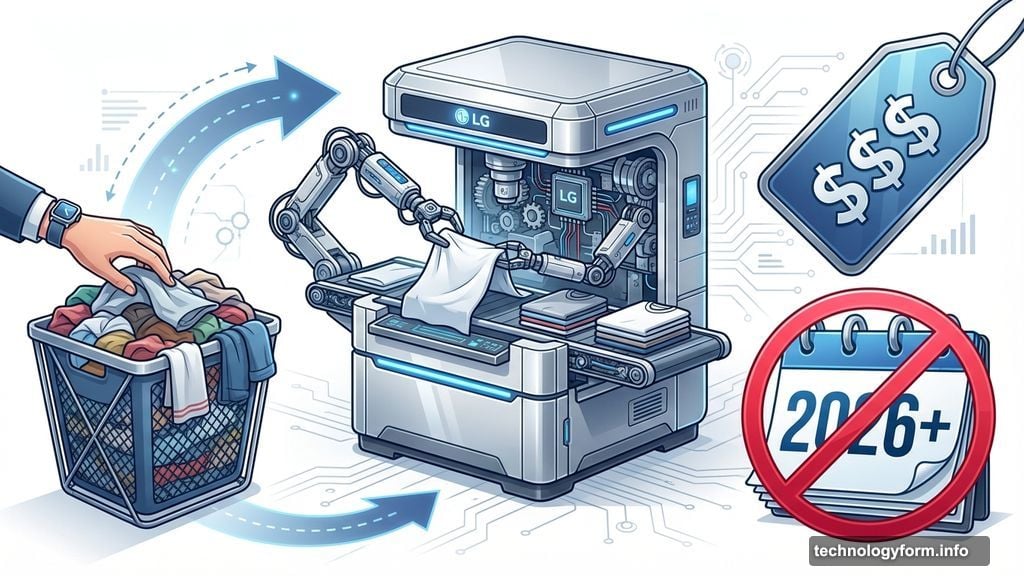
Then someone shows them LG’s laundry-folding robot from CES 2026. The crowd gasps. Hands shoot up when asked who wants one.
But here’s what they didn’t hear. That robot moves painfully slow. It needs human help to grab clothes from the hamper. Plus, it costs a fortune and won’t hit consumer markets for years.
Nobody mentioned those details. Instead, the audience left believing AI would solve their laundry problems tomorrow. That’s not education. It’s marketing disguised as expertise.
We’ve Watched This Movie Before
Remember when celebrities lined up to promote sports betting apps after 2018? Addiction rates soared. People lost fortunes. But the famous faces who pocketed massive checks moved on to their next endorsement deal.
Or take the 2021 crypto boom. Matt Damon told millions that “fortune favors the brave” in a Super Bowl ad. Kim Kardashian pushed tokens without disclosing her payment. Then the crash came. Regular people held worthless digital coins while celebrities stayed rich.
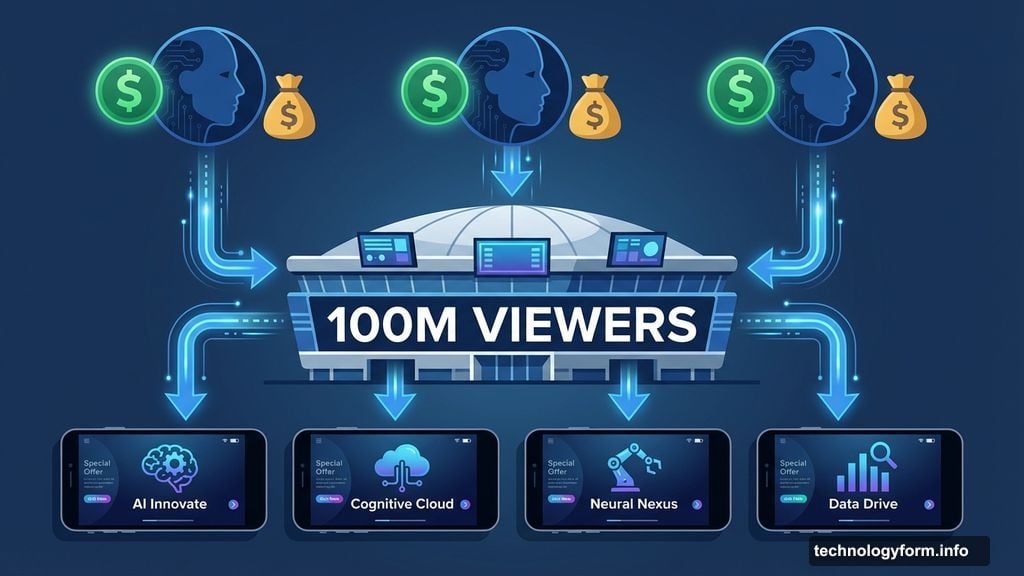
Now AI follows the same script. Household names appear in Super Bowl commercials championing AI companies to 100 million viewers. Influencers take money from AI firms to promote tools they probably don’t use or understand. Their audiences trust them. That trust gets exploited.
What They’re Not Telling You
AI’s risks go beyond losing money on bad bets or crashed coins. We’re talking about fundamental disruptions to work, creativity, truth, and the environment.
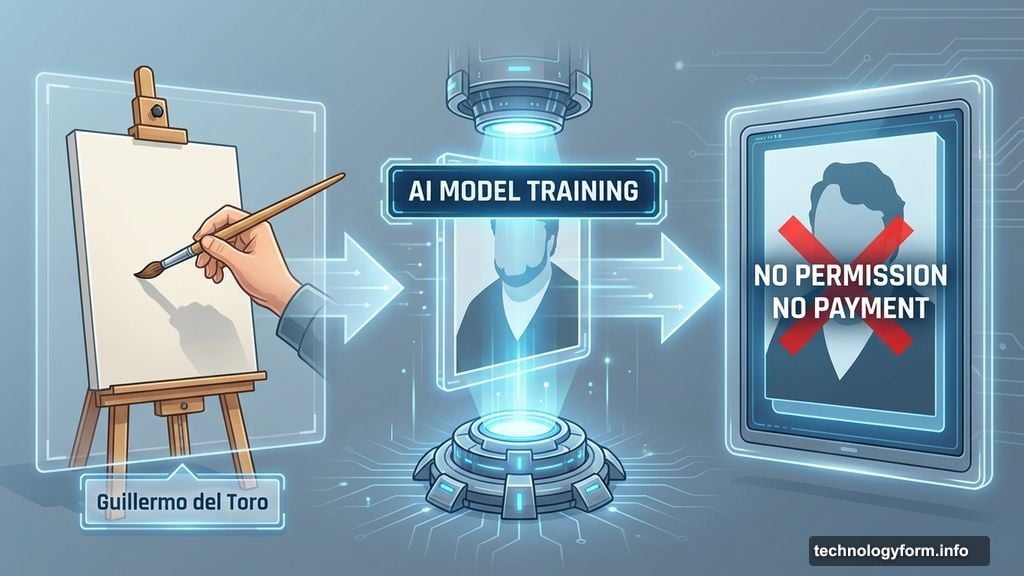
Job displacement is accelerating. Creative industries face existential threats. Artists watch AI models train on their work without permission or payment. Guillermo del Toro called it theft when models mimicked his distinctive visual style. He’s right.
Misinformation spreads at machine speed. Deepfakes destroy reputations in hours. Chatbots hallucinate convincing lies. People struggle to separate real from synthetic.
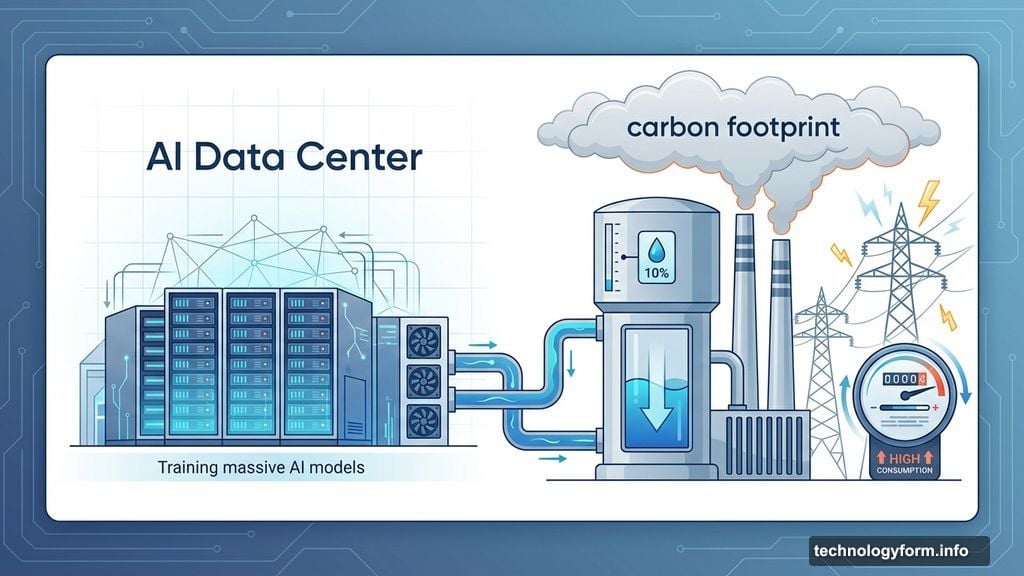
The environmental cost is staggering. Training and running massive AI models consumes enormous energy. Data centers gulp water for cooling. But marketing materials rarely mention the carbon footprint.
Mental health effects are emerging. Studies show AI use affects memory skills. Reports of AI-induced psychosis and even suicide are rising. Yet promotional content focuses only on convenience and productivity.
These aren’t theoretical future problems. They’re happening now. But you won’t hear about them in sponsored posts or Super Bowl ads.
The Pattern Recognition Problem
Tech executives dismiss artist concerns as Luddism. They frame AI as inevitable progress. Anyone questioning the technology gets labeled a fearmonger or backward thinker.
But AI isn’t human creativity. Surrealism emerged after World War I as intentional, deeply human expression rooted in minds and emotions. Artists challenged conventions to reach ultimate truth and authenticity.
Generative AI is machine-driven pattern recognition. It mimics without understanding. It reproduces without creating. That’s not the same thing. Pretending otherwise serves corporate interests, not truth.
What Responsible Advocacy Looks Like
If you have a platform and choose to discuss AI publicly, you carry responsibility. Whether you’re a tech expert, museum lecturer, celebrity spokesperson, or influencer with millions of followers, people listen to you.
That means presenting the full picture. Talk about limitations alongside capabilities. Mention eliminated jobs when discussing efficiency gains. Acknowledge scraped artist work when praising generated images. Explain energy consumption when celebrating computing power. Disclose payments from AI companies when promoting their tools.
This doesn’t mean you can’t discuss AI’s potential. Drug discovery is accelerating. Disease outcomes are improving. Complex problems are getting solved. Those benefits are real.
But framing AI as pure progress is either ignorant or deceptive. The technology carries profound trade-offs. People deserve to understand them before being asked to embrace wholesale transformation.
The Truth Test
Here’s the standard we should demand. Before accepting any public statement about AI, ask these questions:
Did they mention job losses? Did they acknowledge environmental costs? Did they discuss consent and copyright issues? Did they explain hallucination risks? Did they disclose financial relationships with AI companies?
If the answer to most of those is no, you’re getting a sales pitch, not an honest assessment.
The conversation around AI is happening fast. Companies race to deploy models. Investors pour in billions. Regulations lag years behind development. We can’t slow the technology. But we can demand truth from those shaping public understanding.
Like that razor blade slicing across the eye in Un Chien Andalou, sometimes we need shock to see clearly. We need to stop accepting comfortable marketing narratives and start demanding uncomfortable truths.
AI is revolutionary. It’s disruptive. It will reshape society. That’s exactly why we can’t afford selective storytelling about its impacts. The people leading this conversation owe us facts, not fantasies. Nothing less will do.