ByteDance Drops Seedance 2.0. Early Users Say It Crushes Sora
TikTok’s parent company just launched an AI video tool that’s making OpenAI nervous. Beta testers are posting clips that look disturbingly real.
ByteDance released Seedance 2.0 to select users this month. The response? Immediate buzz across AI communities. People claim it outperforms Sora 2 and matches or beats Kling 3.0 in quality and consistency.
But there’s a catch. Nobody knows when regular users can access it. Plus, ByteDance’s messy relationship with the US government means Americans might never get their hands on it.
Why Seedance 2.0 Has Everyone Talking
Most AI video tools struggle with basics. Characters morph mid-scene. Text gets garbled. Lighting shifts randomly between frames.
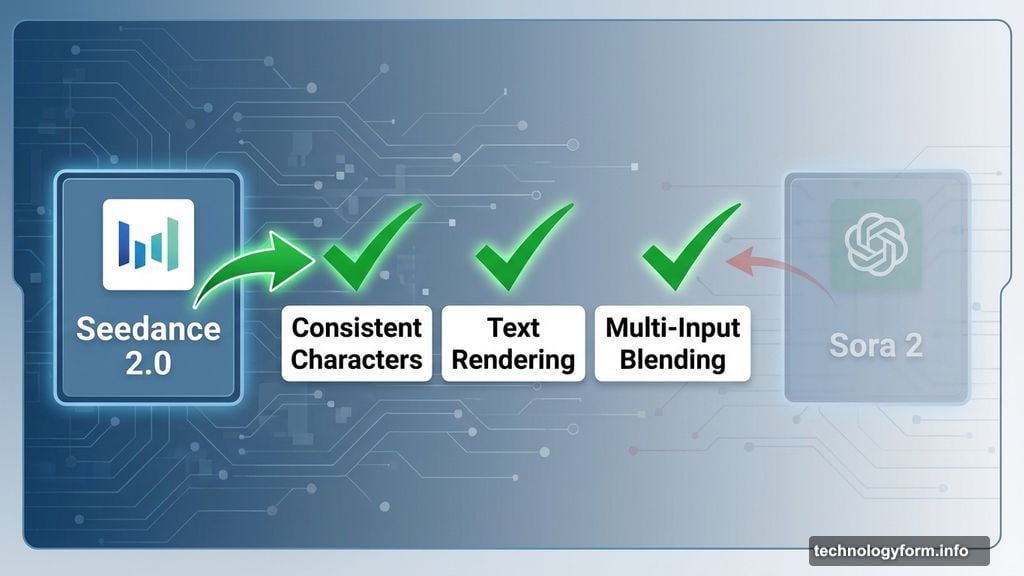
Seedance 2.0 supposedly fixes these problems. According to ByteDance’s documentation, the tool maintains consistent character features throughout clips. It handles text and fonts without the usual AI glitches. Plus, it can blend multiple input types—video, audio, images—into coherent output.
Early demos show dance sequences, martial arts fights, and explosive action scenes. Some users even generated entire short films from text prompts. The quality looks professional enough to fool casual viewers.
That’s what makes this scary. Or exciting. Depends on your perspective.
The Larger Battle for AI Video Dominance
Chinese companies are moving fast. Kuaishou launched Kling 3.0 just last week. Now ByteDance counters with Seedance 2.0. Meanwhile, OpenAI’s Sora 2 hasn’t generated the same level of excitement.
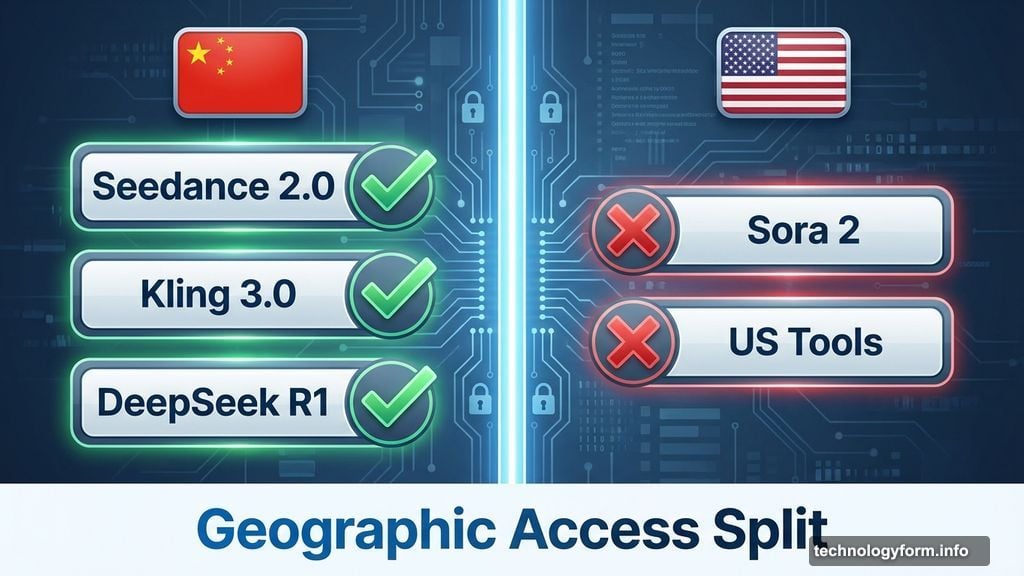
This mirrors what happened with DeepSeek R1 last year. A Chinese AI chatbot shocked the industry by matching or exceeding capabilities of Western models. Yet most Americans never got to test it directly.
Geography increasingly determines who gets access to cutting-edge AI tools. ByteDance faces severe restrictions in the US after divesting most of its TikTok ownership. So Seedance 2.0 might remain unavailable to American creators indefinitely.
That creates a weird split. Chinese users get advanced video generation tools. Americans wait for homegrown alternatives to catch up.
Legal Troubles Shadow the Industry
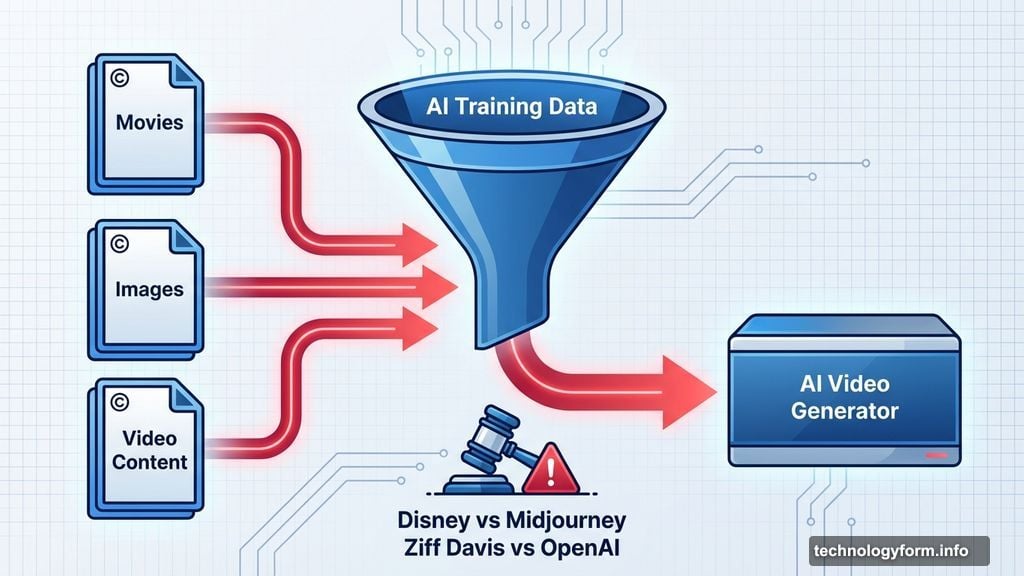
AI video generators face mounting legal challenges. Disney and other entertainment companies sued Midjourney last year over copyright violations. The core issue? These tools train on copyrighted content without permission or compensation.
ByteDance isn’t immune to problems either. Chinese regulators recently fined Kuaishou for failing to prevent pornographic content on its AI platforms. As these tools become more powerful, content moderation gets exponentially harder.
Plus, there’s the copyright mess. CNET’s parent company Ziff Davis filed suit against OpenAI in 2025 for using copyrighted materials to train AI systems. That lawsuit signals broader industry concerns about how AI companies source training data.
So even if Seedance 2.0 eventually launches globally, it’ll likely face similar legal scrutiny. Nobody’s figured out how to build these tools ethically and legally yet.
Where Seedance Might Show Up Soon
ByteDance plans to integrate Seedance 2.0 across its product ecosystem. Dreamina, part of the CapCut video editing suite, will reportedly get access first. That makes sense since CapCut already has millions of creators using it daily.
Other platforms are jumping on board. TopView AI and Atlas Cloud both announced plans to incorporate Seedance 2.0 into their services. Atlas Cloud claims it’ll arrive later this month, though that timeline seems optimistic given ByteDance’s silence on broader availability.
For now, beta users are the lucky ones. They get to test cutting-edge AI video generation while the rest of us watch demos on social media. That’s becoming the pattern with advanced AI tools—limited releases, viral demos, uncertain timelines for general access.
The Real Question Nobody’s Answering
When will regular creators get their hands on Seedance 2.0? ByteDance hasn’t said. Given the political complications around TikTok and ByteDance’s US operations, Americans might wait indefinitely.
That leaves US creators in a frustrating position. They can see what’s possible with Seedance 2.0 through demos. But they can’t actually use it to make their own content. Meanwhile, OpenAI’s Sora 2 exists but hasn’t generated the same excitement or impressive results.
So the AI video race continues. Chinese companies push boundaries with tools Americans can’t access. US companies play catch-up while navigating legal minefields. And creators everywhere just want access to whatever works best, regardless of who built it or where it came from.
The technology keeps advancing. Access remains frustratingly limited. That gap between what’s possible and what’s available defines the current state of AI video generation.