Apple Almost Bought Halide to Fix Its Camera App
Apple nearly acquired the company behind one of the most beloved third-party camera apps on iPhone. And the story behind why the deal collapsed is fascinating.
A legal dispute between the co-founders of Lux Optics — the studio behind Halide, Kino, Spectre, and Orion — has revealed that Apple held serious acquisition talks with the company during the summer of 2025. The deal ultimately fell through in September, but it gives us a rare peek behind the curtain at how Apple thinks about upgrading its native Camera app.
Apple’s Camera App Needed a Boost
Here’s some context worth knowing. Apple’s built-in Camera app is reliable, fast, and polished. But it has never matched what dedicated third-party apps like Halide offer in terms of manual controls and advanced shooting options.
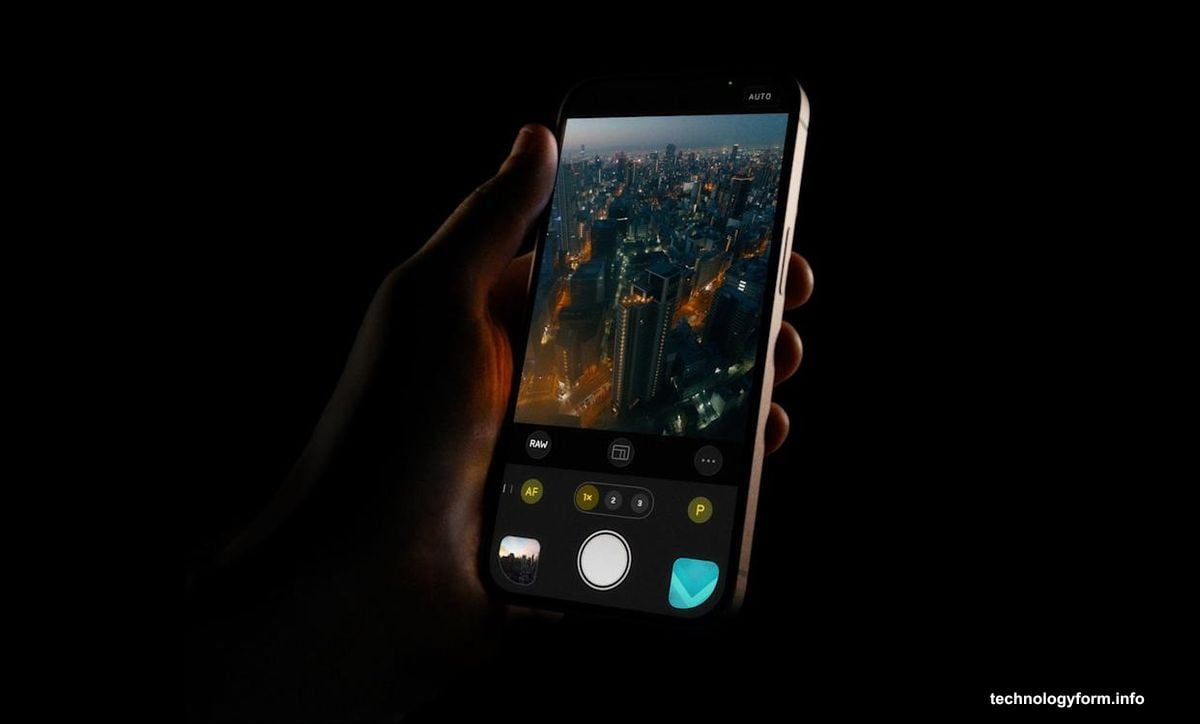
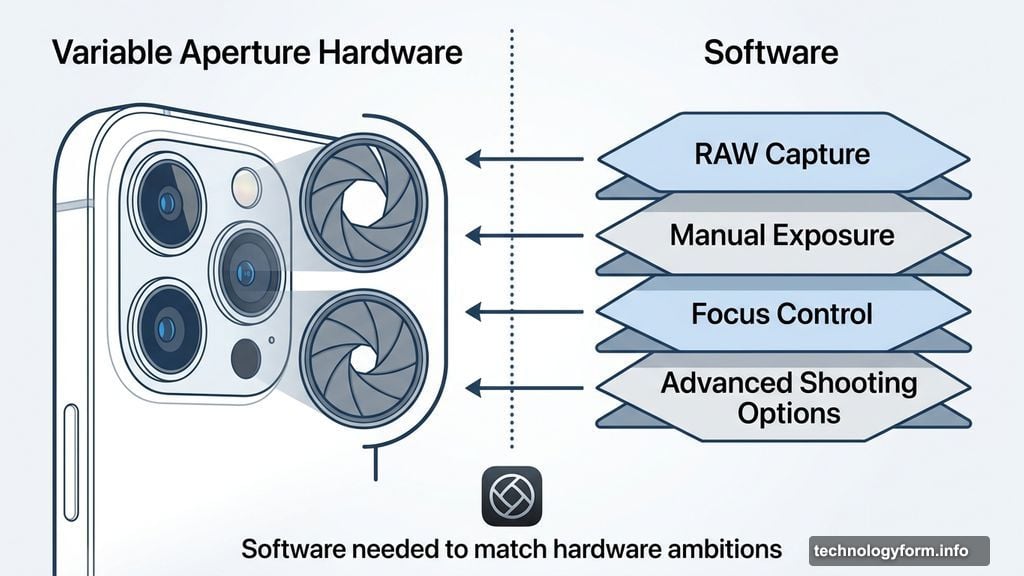
Halide, in particular, has built a devoted following among iPhone photographers. It gives users real control over things like exposure, focus, and RAW capture in ways that Apple’s own app simply doesn’t. So it makes complete sense that Apple would look at Lux Optics and think, “we want that.”
Plus, the timing lines up with Apple’s hardware ambitions. The iPhone 18 Pro is widely rumored to feature variable aperture — a significant camera upgrade that would need equally capable software to shine. Buying Halide’s team and technology would have given Apple a serious head start.
Why the Deal Fell Through
So why didn’t it happen? The co-founders, Ben Sandofsky and Sebastiaan de With, decided their best move was to walk away from the table.
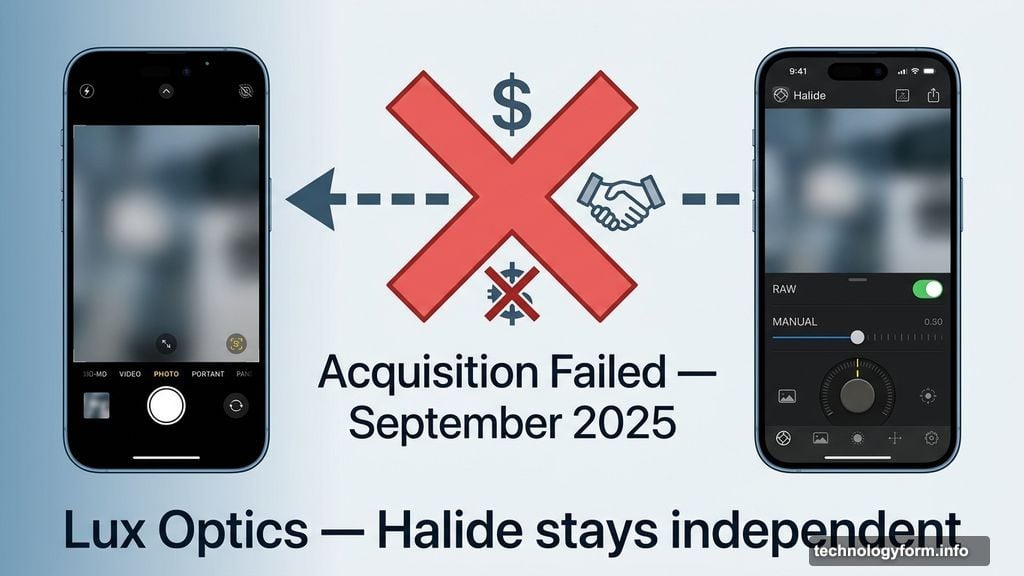
Their reasoning was straightforward. They believed future updates to Halide would grow the company’s value beyond what Apple was offering at the time. Basically, they thought they were worth more than Apple’s bid. That’s a bold call, but not an unreasonable one.
Unfortunately, things got messy after that. Shortly after the acquisition talks ended, Sandofsky reportedly began investigating de With over alleged misuse of company funds. De With was later fired from Lux Optics — and in a twist that nobody saw coming, he went on to join Apple’s design team directly.
So Apple didn’t get the company, but it did end up with one of its key creative minds anyway.
What This Means for iPhone Camera Users
Even without the acquisition, iPhone users shouldn’t feel like they’re missing out forever. Apple has reportedly made camera software improvements a genuine priority going into its next iPhone cycle.
And Halide itself isn’t going anywhere. It stays independent, which means Sandofsky and his team can keep building features on their own terms and timeline. For fans of the app, that’s actually great news.
Still, there’s something worth appreciating about this story. It shows that Apple isn’t just relying on its own engineers to push the Camera app forward. The company was willing to spend real money on outside talent and technology when it saw a gap worth filling.
Whether Apple eventually closes that gap through acquisitions, internal development, or simply hiring away the right people — as it arguably already did with de With — the message is clear. Better camera software is coming, and Apple is serious about getting there.