Americans Use AI More Than Ever. They Still Don’t Trust It.
Something odd is happening with artificial intelligence right now. Millions of Americans are using it every single day — and most of them don’t actually trust it.
That tension sits at the heart of a new Quinnipiac University poll published this week. The findings are striking: AI adoption is climbing fast, but confidence in the technology keeps falling. Welcome to the strange reality of how America actually feels about its newest digital tool.
Adoption Is Up. Trust Is Still Broken.
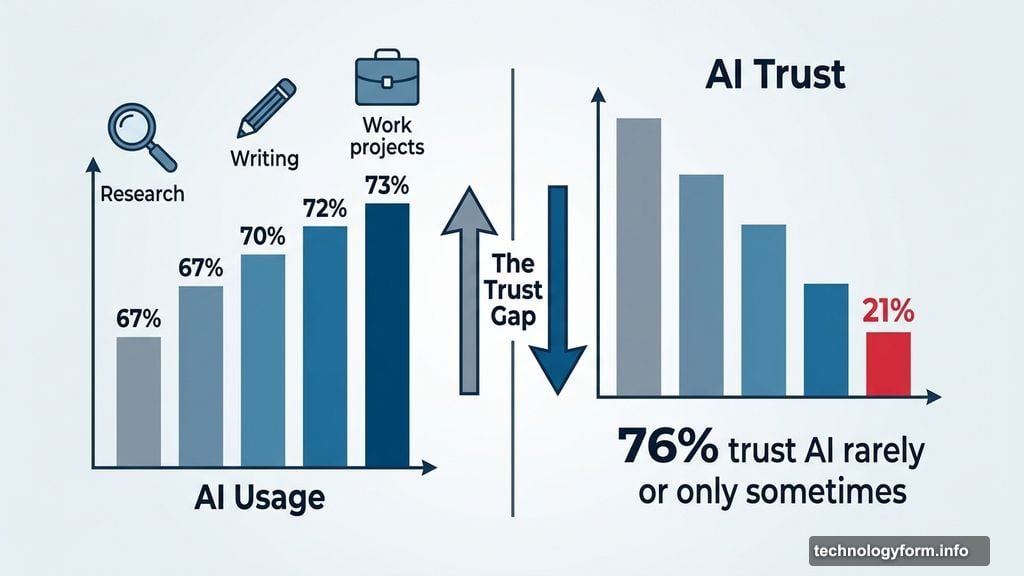
The numbers tell a clear story. Only 27% of Americans say they’ve never used AI tools — down from 33% in April 2025. That’s real growth. More people are turning to AI for research, writing, work projects, and data analysis than ever before.
But here’s the catch. Three-quarters of Americans — 76% — say they trust AI rarely or only sometimes. Just 21% trust AI-generated information most or almost all of the time.
Think about that for a second. More than half of Americans use AI for research, yet only one in five trusts what it tells them. They’re using a tool they fundamentally doubt.
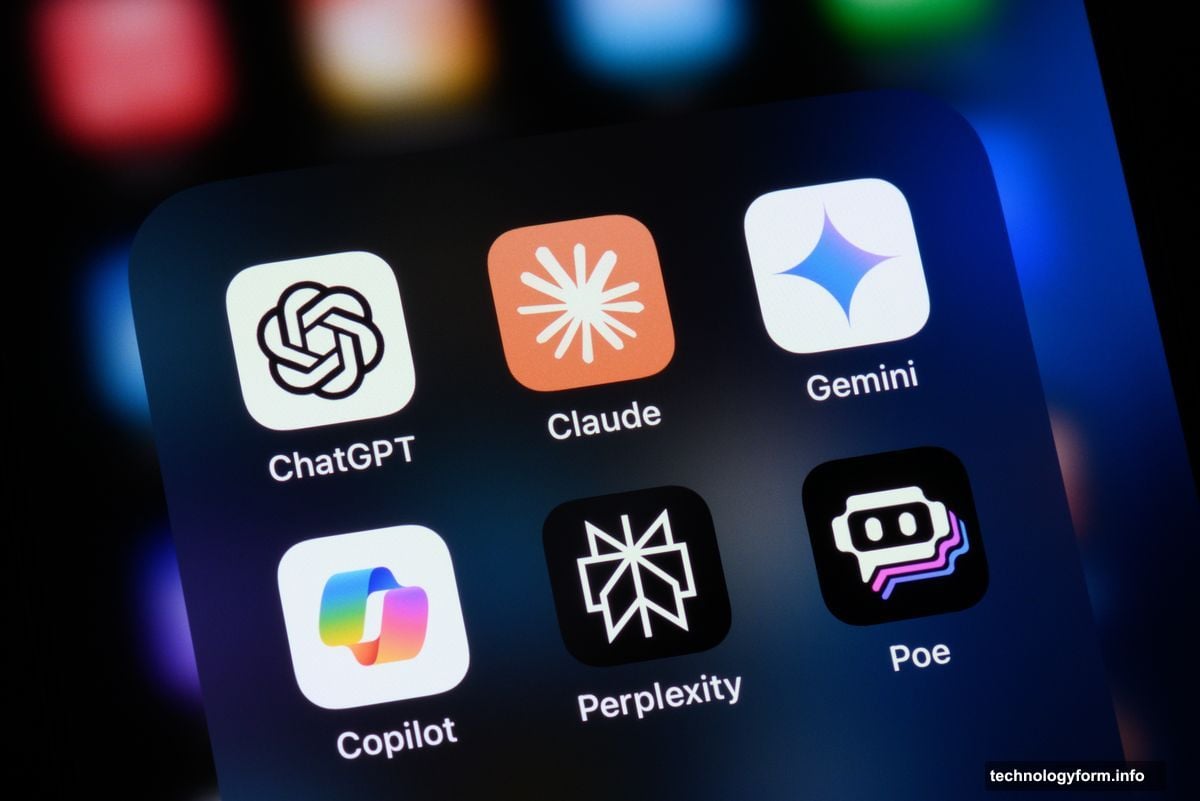
“The contradiction between use and trust of AI is striking,” said Chetan Jaiswal, a computer science professor at Quinnipiac. “Americans are clearly adopting AI, but they are doing so with deep hesitation, not deep trust.”
Most Americans Are Worried, Not Excited
Ask people how they feel about AI’s future, and the mood gets darker quickly.
Only 6% of Americans say they’re “very excited” about AI. Meanwhile, 62% say they’re either “not so excited” or “not at all excited.” Flip those numbers around to concern, and 80% of Americans report being very or somewhat concerned about where this technology is heading.
Millennials and baby boomers lead the worry category, though Gen Z isn’t far behind. That might surprise people who assume younger generations embrace new technology without reservation.
And the pessimism is growing. More people hold negative views of AI compared to last year’s survey. That shift isn’t hard to explain. The past year brought waves of Big Tech layoffs, disturbing cases of AI-linked psychological harm, and heated debates over energy-hungry data centers straining power grids.
Speaking of those data centers — 65% of Americans say they wouldn’t want one built in their community. Their top reasons? Sky-high electricity costs and heavy water consumption.
The Jobs Question Gets More Alarming
If there’s one issue keeping Americans up at night, it’s employment.
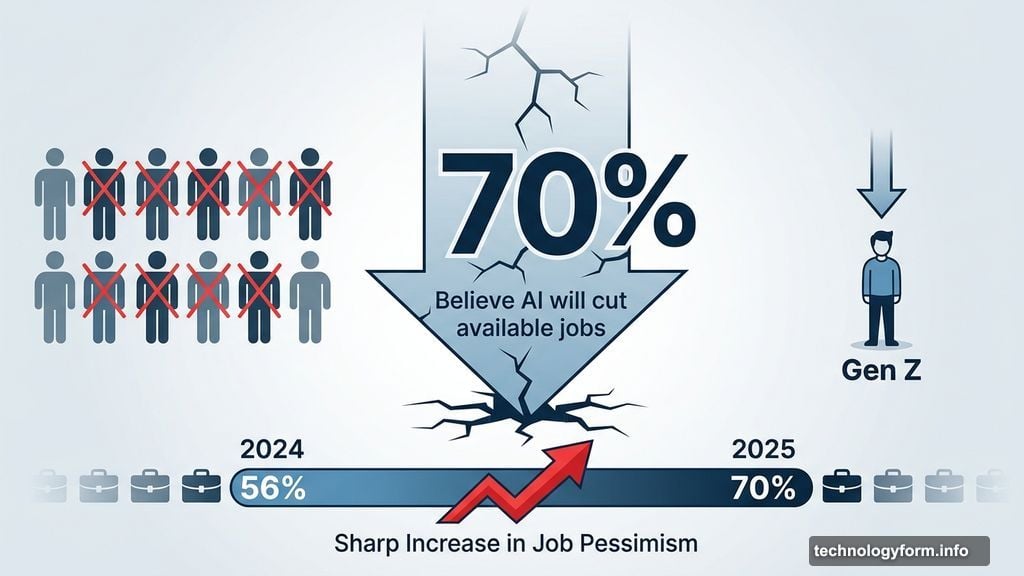
A full 70% of Americans now believe AI advancements will cut the number of available jobs. That’s up sharply from 56% who felt that way just last year. On the flip side, only 7% think AI will create more job opportunities — down from 13% previously.
Gen Z carries the deepest pessimism here. A striking 81% of Gen Z respondents foresee a decrease in jobs because of AI. And honestly, they’re not imagining things. Entry-level job postings in the U.S. have dropped 35% since 2023. Anthropic CEO Dario Amodei has publicly warned that AI could wipe out large portions of the workforce.
Yet there’s an interesting wrinkle in how people think about their own situation. Most Americans worry about AI’s effect on the labor market broadly, but fewer believe it’s coming for their specific job. Among employed Americans, 30% are concerned AI will make their own position obsolete — up from 21% last year, but still far lower than the general workforce anxiety.
“People seem more willing to predict a tougher market than to picture themselves on the losing end of that disruption,” said Tamilla Triantoro, a professor of business analytics and information systems at Quinnipiac. “A pattern worth watching as the technology moves deeper into the workplace.”
The Transparency Problem
Why don’t Americans trust AI? Part of the answer comes down to the companies building it.
Two-thirds of respondents say businesses aren’t doing enough to be transparent about how they use AI. That same proportion believes the government isn’t doing enough to regulate it either.
Those feelings land amid real policy tension. States are actively pushing to maintain their authority over AI rules. At the same time, federal officials — including under the Trump administration’s current light-touch AI framework — and major industry players are pushing to limit state-level regulation. Americans caught in the middle aren’t buying that everything is fine.
“Americans are not rejecting AI outright, but they are sending a warning,” Triantoro said. “Too much uncertainty, too little trust, too little regulation, and too much fear about jobs.”
What This All Actually Means
Here’s the honest read on these numbers. Americans aren’t refusing to use AI — they’re using it anyway, almost pragmatically, like a tool they need but don’t fully endorse.
That’s actually a reasonable response to where the technology stands right now. AI makes genuine mistakes. It “hallucinates” false information with complete confidence. The companies behind it have financial incentives that don’t always align with user wellbeing. Regulatory guardrails remain thin.
So when 76% of people say they trust AI only rarely or sometimes, that’s not technophobia. It might just be clear eyes.
The more interesting question is what happens next. If trust keeps falling while adoption keeps rising, we end up with a society that depends on tools it fundamentally doubts. That gap — between use and trust — is worth watching very carefully.