YouTube’s Teen Mental Health Filter Blocks Dangerous Content Before Kids See It
YouTube rolled out something crucial this week. The platform now surfaces vetted mental health content specifically for teenagers who search depression, anxiety, or similar topics.
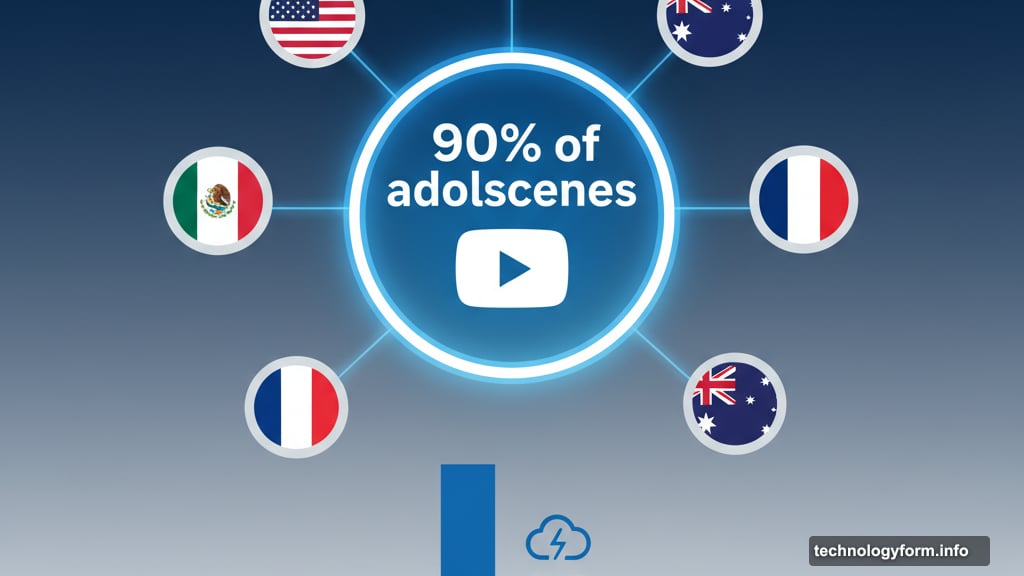
This matters more than it sounds. Nearly 40% of teens report persistent sadness and hopelessness, according to CDC data. Plus, 90% of adolescents already use YouTube as their go-to information source. So meeting them where they actually are makes sense.
The new feature launches across the U.S., UK, Canada, Mexico, France, and Australia in coming weeks.
How the New System Actually Works
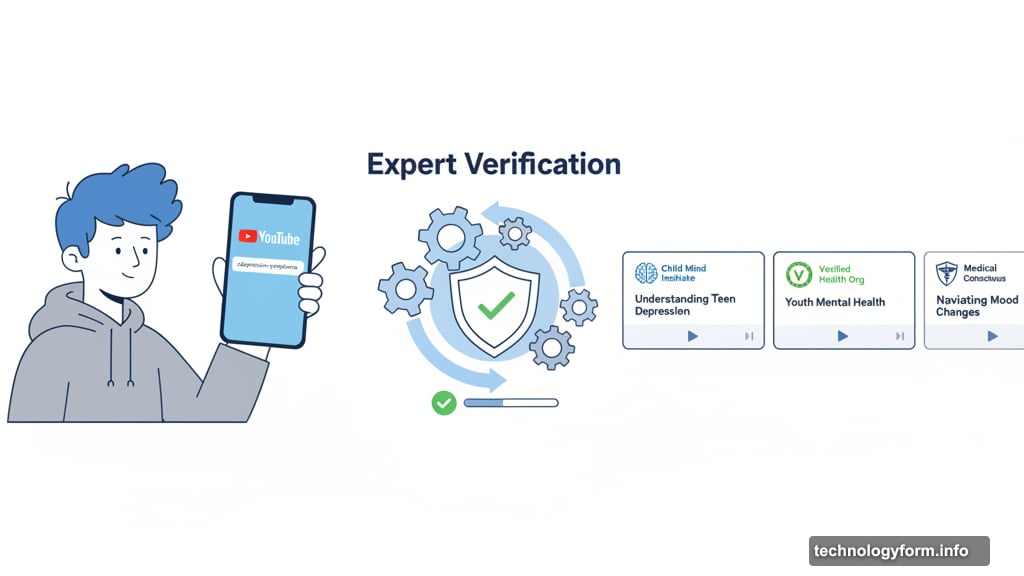
When teens aged 13-17 search mental health terms, YouTube now displays a dedicated row at the top of results. These videos come from verified organizations like the Child Mind Institute, not random creators with good SEO.
The content gets tailored to teenage development stages. That’s important. A video helping a 35-year-old manage anxiety might confuse or overwhelm a 14-year-old dealing with similar feelings.
YouTube partnered with youth mental health specialists to curate this content. So the platform isn’t just filtering by view count or engagement metrics. Instead, experts verify each video meets specific standards for accuracy and age-appropriateness.
Why This Feels Different From Past Safety Features
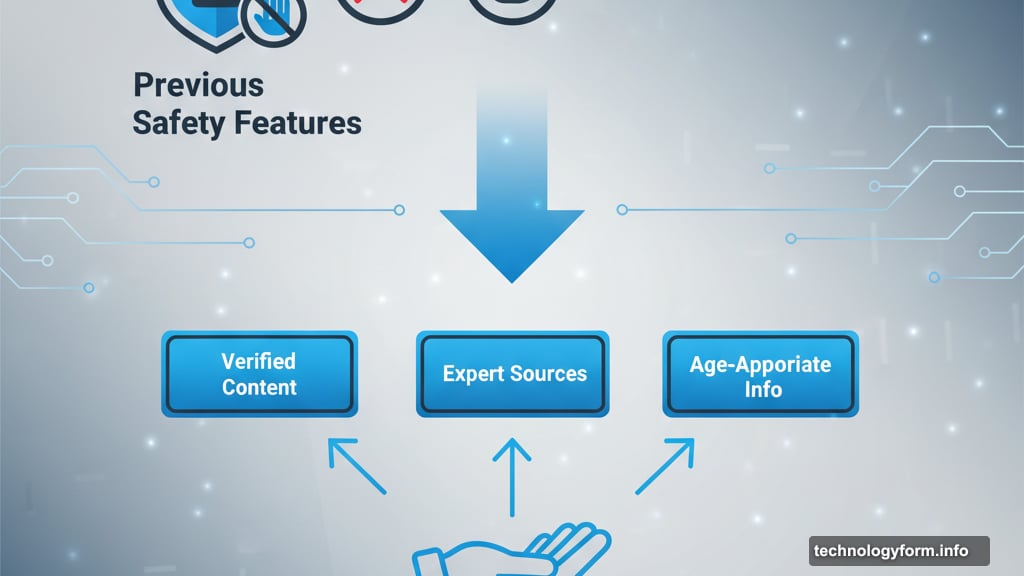
Over the past several years, YouTube has rolled out multiple safety layers for teenage users, including algorithmic content filtering that limits harmful recommendations, AI-powered age verification technology to identify underage viewers, and Family Link integration allowing parents to monitor their children’s YouTube activity directly.
But this mental health initiative takes a more proactive approach. Previous features mostly prevented harm by limiting exposure to problematic content. This new system actively guides teens toward helpful information.
That shift matters. Teens searching “depression symptoms” clearly want answers. Directing them to trustworthy sources beats leaving them to sort through unvetted content themselves.
Moreover, YouTube recognizes a reality parents sometimes miss. Teens will search for mental health information regardless of what adults prefer. So providing quality resources makes more sense than pretending they won’t look.
The Mental Health Crisis Context Nobody Ignores
CDC survey data paints a stark picture. Beyond the 39.7% reporting sadness and hopelessness, 28.5% of students described their mental health as poor. Those aren’t small percentages.
Teen mental health deteriorated significantly in recent years. Social media often gets blamed. But the causes run deeper than screen time alone. Pandemic isolation, academic pressure, social anxiety, and economic uncertainty all contribute.
YouTube can’t solve these systemic problems. But it can stop making things worse by serving up harmful content to vulnerable users. And maybe it can help by connecting teens with actual expertise.
The Pew Research Center finding that nine in ten teens use YouTube underscores the platform’s reach. That’s basically everyone. So YouTube’s choices about content recommendations carry real weight.
What Parents Actually Need to Know
First, this feature activates automatically for teen accounts. You don’t need to enable anything. When your teenager searches mental health topics, they’ll see the curated content row.
Second, the system relies on YouTube recognizing users as teenagers. If your kid uses an adult account, they won’t get these tailored results. So ensuring they use an age-appropriate account matters.
Third, this doesn’t prevent teens from watching other mental health content. They can still find and view regular search results. The curated row simply appears at the top as a trusted starting point.
Fourth, consider this a complement to professional help, not a replacement. If your teen struggles with mental health issues, these videos provide information and support. But they don’t substitute for therapy or medical care.
Finally, YouTube’s parent-child account linking lets you monitor activity if that fits your family approach. Though many experts suggest open conversation works better than surveillance for teens.
The Bigger Question About Platform Responsibility
YouTube faces a tricky balancing act. Teens need access to mental health information. But they also need protection from harmful content that glorifies self-harm or spreads misinformation.
This new feature suggests YouTube is trying to thread that needle. Instead of blocking mental health content entirely, they’re guiding users toward quality resources. That feels like progress from the usual content moderation debates.
However, the effectiveness depends entirely on implementation. If the curated videos actually help teens understand and manage their mental health, this initiative succeeds. If teens ignore the top row and scroll to less reliable content, it accomplishes little.
Plus, six countries get this feature initially. What about teenagers everywhere else? Global rollout timelines remain unclear. Mental health struggles don’t respect geographic boundaries.
YouTube’s track record on teen safety shows mixed results. They’ve made improvements over time. But platform algorithms still occasionally surface harmful content to young users. So skepticism feels warranted even as this specific feature looks promising.
What Happens Next
This rollout completes in coming weeks across the six initial countries. Then we’ll see whether it makes a measurable difference.
Watch for a few key indicators. Does teen engagement with vetted mental health content increase? Do parents and mental health professionals endorse the curated resources? Does YouTube expand the feature to additional countries and topics?
The collaboration with organizations like Child Mind Institute matters too. Ongoing partnerships ensure content stays current and relevant. Mental health understanding evolves. The curated videos need to evolve alongside it.
YouTube should also consider expanding beyond search results. Recommendation algorithms could surface this content to teens showing interest in mental health topics. That proactive approach might reach more young people who need help but don’t know what to search for.
Ultimately, this feels like YouTube taking teen mental health seriously. The platform recognizes its role in teenagers’ lives and accepts responsibility for providing trustworthy information. That’s worth acknowledging even while we wait to see long-term results.
Your teenager probably uses YouTube already. Now at least when they search for mental health answers, they’ll find expert guidance at the top of the page. Small change. But for some teens, it might make all the difference.