Google Assistant’s Shutdown Delayed. Android Users Get Extra Time
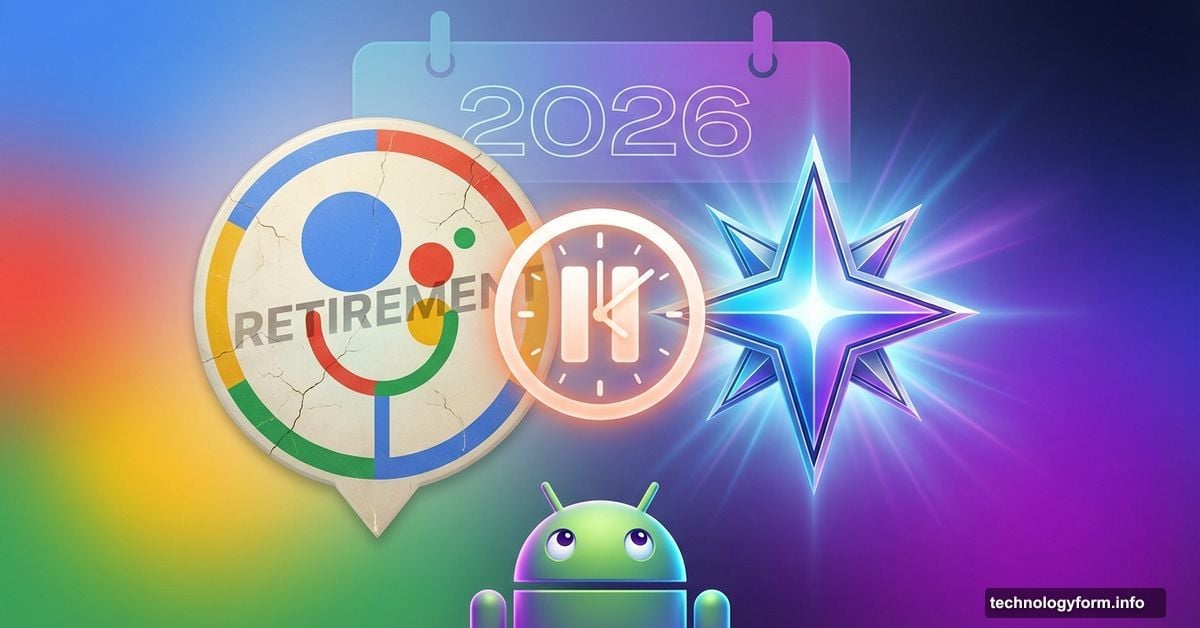
Google hit pause on its Assistant retirement plan. The company wanted to replace Assistant with Gemini by year’s end. But that’s not happening anymore.
Instead, Google pushed the transition into 2026. So Android users get a few extra months with the classic voice helper. Plus, some devices might keep Assistant even longer.
Why the Delay Happened
Google needs more time to nail the switch. The company wants to make sure moving from Assistant to Gemini doesn’t break things for users.
That makes sense. Assistant controls smart home devices, manages routines, and handles dozens of daily tasks. Gemini needs to replicate all that functionality seamlessly. Otherwise, millions of users face a frustrating downgrade disguised as an upgrade.
Google promised more details in coming months. But reading between the lines, the transition could stretch well past early 2026. The company didn’t commit to any specific deadline this time.
Gemini Was Always the Plan
Google launched Gemini in 2024 as Assistant’s eventual replacement. The AI-powered chatbot started absorbing Assistant’s core features one by one.
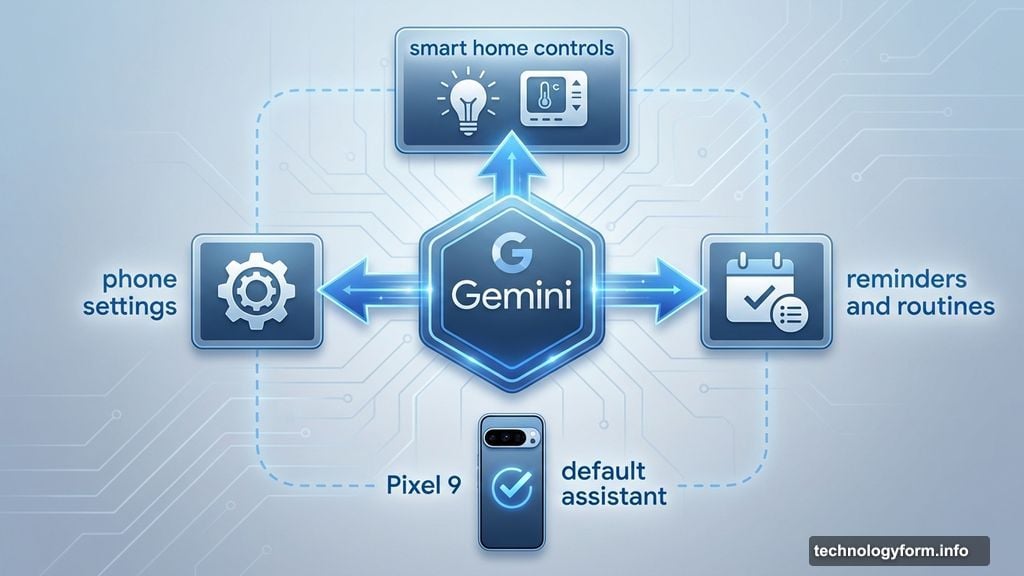
It learned to control smart home gadgets. Then it gained the ability to set reminders and manage phone settings. By the time Google released the Pixel 9 series, Gemini already shipped as the default assistant on those devices.
So this transition was inevitable. Assistant represented older technology from Google’s pre-AI era. Gemini represents where Google wants to go: generative AI powering everything.
Not Every Device Makes the Cut
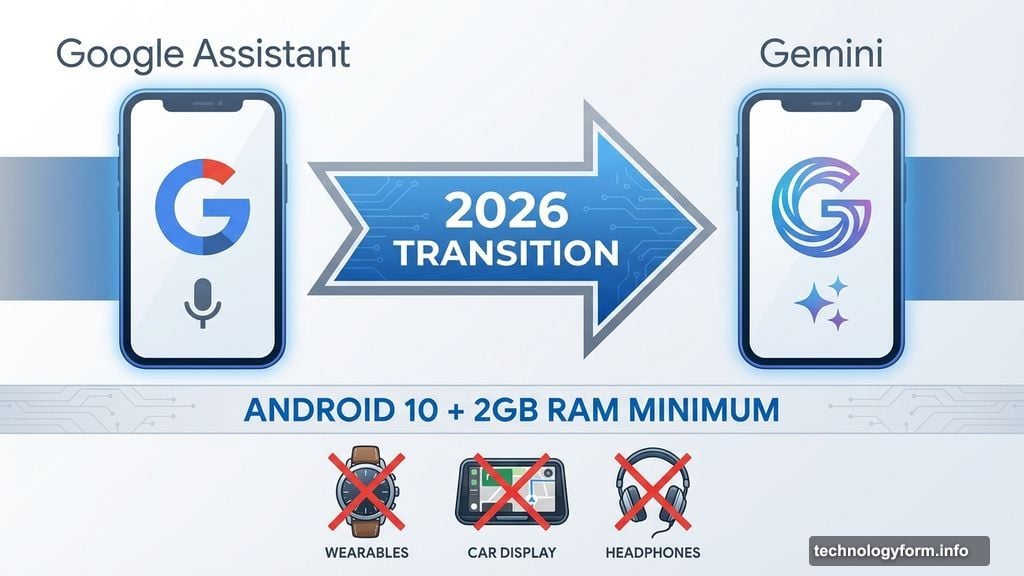
Google set minimum requirements for the Gemini upgrade. Your Android device needs at least Android 10 and 2GB of RAM.
That leaves out older phones and budget devices running ancient software. But most phones from the last five years should qualify. Android 10 launched in 2019, so even mid-range devices from that era meet the threshold.
However, older wearables, car systems, and headphones might stay on Assistant longer. Google said it plans to upgrade “tablets, cars and devices that connect to your phone” eventually. But those upgrades could take months or years depending on hardware limitations and manufacturer cooperation.
What This Means for Users
Most Android users won’t notice major changes yet. Assistant keeps working as usual for now. Google will notify users when their specific device gets the Gemini upgrade.
But here’s the catch. Once Gemini becomes your default assistant, you can’t easily switch back to Assistant. Google designed this as a one-way upgrade. So if you rely on specific Assistant features that Gemini doesn’t support yet, you might face workflow disruptions.
The smart move is waiting for Google’s detailed migration guide before forcing the switch. That way you’ll know exactly what changes and whether Gemini supports your essential Assistant routines.
The Bigger Picture
Google wants AI everywhere. Gemini powers search results, generates images, writes emails, and now replaces your voice assistant. Assistant was good for simple commands. Gemini promises more complex, conversational interactions.
Yet Google keeps delaying the transition. That suggests Gemini isn’t quite ready to fully replace Assistant for mainstream users. Advanced AI sounds impressive. But basic reliability matters more for daily tasks like setting alarms or controlling lights.
So Google faces a classic tech dilemma. Rush the transition and risk angry users with broken workflows. Or delay it and look like the company can’t execute on its AI vision. They chose delay. Probably the right call.
Your Assistant stays functional for now. But its days are numbered. Eventually, everyone switches to Gemini whether they want to or not.