Mastodon Just Fixed Quote Posts. Here’s How They Avoided X’s Biggest Mistake
Mastodon rolled out quote posts to everyone. But unlike X, they won’t let the feature turn toxic.
The decentralized social network launched version 4.5 of its software yesterday. Quote posts are now available to all server operators. Plus, the update includes conversation improvements and new admin tools that make the platform easier to manage.
This matters because quote posts drive engagement. They’re standard on X and Threads. But Mastodon waited to launch them right. They wanted to avoid the “dunking” culture that plagued Twitter for years.
The Problem with Quote Posts on X
Quote posts on X became weapons. Users would screenshot someone’s post, then mock it publicly. The original poster faced harassment from strangers who saw the quote but never saw their full context.
That toxicity shaped X’s culture for years. Now Threads and Bluesky face similar concerns as they grow. So Mastodon studied the problem before shipping their version.
They tested quote posts on their largest servers first. Mastodon.online and mastodon.social got the feature back in September. That gave users two months to adapt before the wider rollout.
Three Ways Mastodon Makes Quote Posts Safer
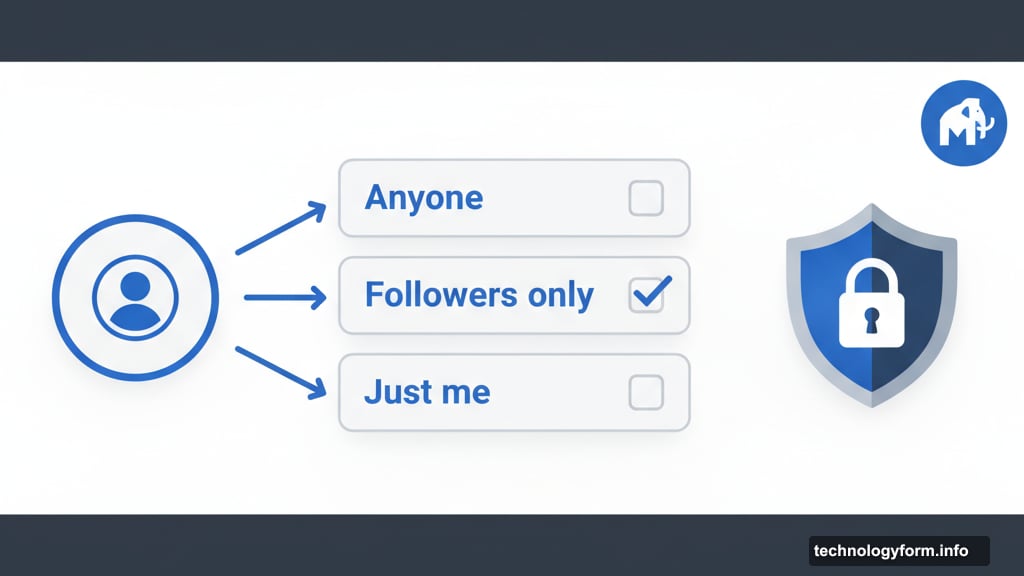
First, you control who can quote you. The settings offer three options: “Anyone,” “Followers only,” or “Just me.” So if you want to share thoughts without strangers dunking on you, just lock down the setting.
Second, visibility controls let you choose how quote posts spread. Set them to public, followers-only, or “quiet public.” That last option keeps quotes public but removes them from search, trends, and public timelines. It’s perfect when you want to respond without amplifying drama.
Third, notifications alert you when someone quotes your post. Then you can remove your original post from their quote if needed. Plus, blocking someone prevents them from seeing or quoting your posts going forward.
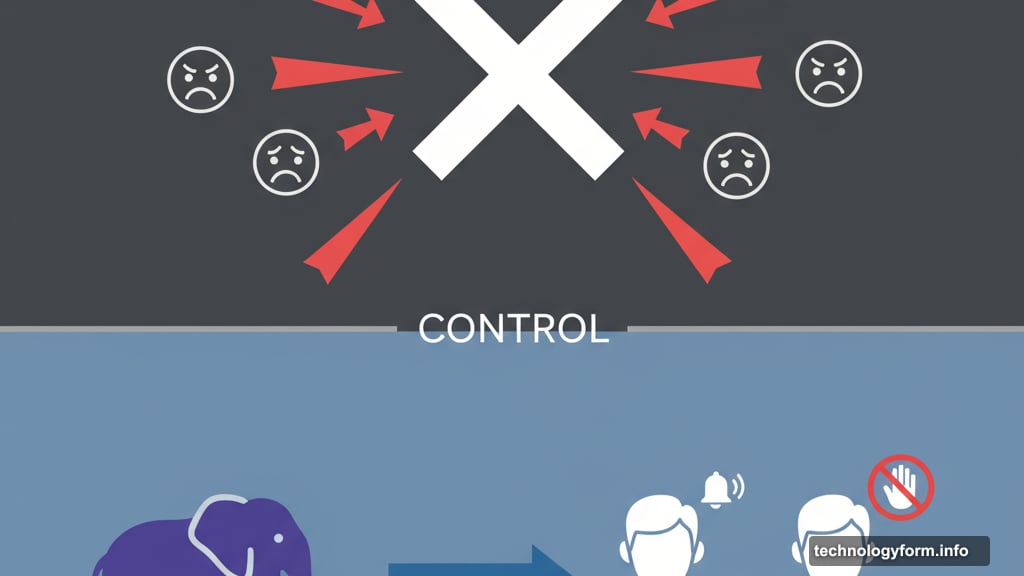
These controls shift power back to users. On X, once someone quotes you, you’re just watching the responses pile up. On Mastodon, you can shut it down immediately.
Bug Fixes Nobody Noticed
The 4.5 update also fixed a nasty conversation bug. Users on older servers running version 4.4 sometimes missed seeing replies entirely. Conversations looked incomplete because some responses just disappeared.
That’s now resolved. Threads should display properly across all server versions. It’s the kind of unglamorous fix that matters more than flashy features.
Meanwhile, server operators gained new moderation tools. They can now disable content feeds, set local feeds as homepages, and block specific users more easily. The moderation interface shows link previews and quote posts directly, so admins can make faster decisions without switching contexts.
Where Mastodon Stands Today
Mastodon remains one of the fediverse’s largest networks. The entire fediverse reached nearly 12 million users, according to FediDB. Mastodon accounts for over 8 million of that total.
But here’s the catch. Monthly active users only hit about 670,000. That’s a massive gap between total accounts and actual usage. So while Mastodon has scale, engagement remains concentrated among dedicated users.
Compare that to Threads. Meta’s platform integrated with ActivityPub but doesn’t count in fediverse stats. It claims 400 million monthly users and 150 million daily actives. Those numbers dwarf Mastodon’s reach.
Yet Mastodon offers something Threads can’t match. Full control over your social network experience. No algorithm pushing content you didn’t ask for. No ads interrupting your feed. No corporate decisions changing how the platform works overnight.
Native Emoji Support Finally Arrives
The 4.5 release also brought native emoji support to Mastodon’s web interface. Users can now react with standard emoji without relying on custom server implementations.
This seems minor. But emoji reactions drive lightweight engagement. They let users acknowledge posts without composing full replies. On networks like Slack and Discord, emoji reactions became essential communication tools.
Mastodon was late to add this feature. But now it works consistently across the web interface. Mobile apps already supported emoji, so this brings the web experience up to par.
The Real Test Comes Next
Quote posts will either strengthen Mastodon’s community or fracture it. The safety controls are comprehensive. But user behavior ultimately determines whether the feature succeeds.
Will Mastodon users embrace quote posts for thoughtful commentary? Or will they weaponize them despite the guardrails? The September trial on large servers suggested users would behave responsibly. Now the entire network gets to prove that assumption right or wrong.
Server operators can disable quote posts entirely if they want. That flexibility lets communities set their own standards. Some servers might keep them enabled with strict moderation. Others might turn them off completely. That’s the beauty of decentralized networks.
Mastodon bet that user controls prevent toxic behavior better than top-down moderation. If they’re right, quote posts become a competitive advantage. If they’re wrong, the feature fragments the network as servers disable it.
Either way, Mastodon just made social networking more interesting.