ChatGPT Can’t Handle These 11 Tasks. Stop Asking It To
ChatGPT feels like magic until it confidently tells you that headache might be brain cancer.
I use ChatGPT daily. It’s brilliant for meal planning, vacation research, even discussing books I’ve finished reading. But somewhere along the way, people started treating it like an oracle that never lies. That’s dangerous.
The problem? ChatGPT excels at sounding correct even when it’s completely wrong. OpenAI executives admit this. Their own leadership says don’t trust ChatGPT as your primary information source.
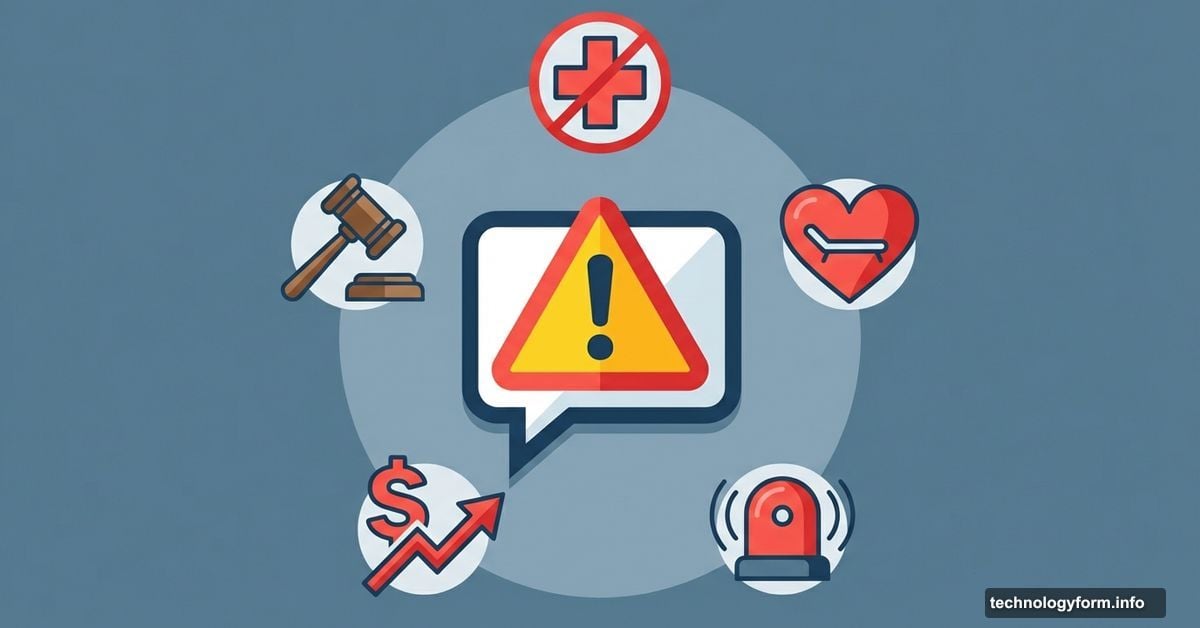
So here’s where AI crosses from helpful to harmful. Some questions carry real consequences when answered incorrectly.
Medical Symptoms Require Actual Doctors
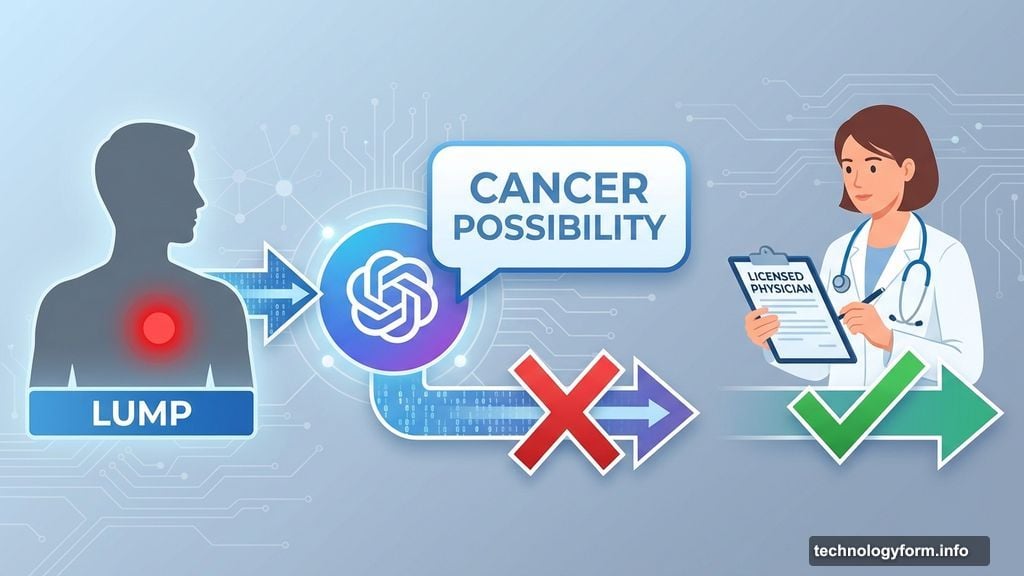
I typed “lump on chest” into ChatGPT once. Big mistake.
The response suggested cancer as a possibility. In reality, I have a lipoma. That’s a harmless fatty deposit that affects one in 1,000 people. My licensed physician told me that after an examination.
ChatGPT can’t examine you, order bloodwork, or carry malpractice insurance. However, it can help draft questions for your next appointment. Use it to translate medical jargon or organize symptom timelines. Just don’t let it diagnose anything.
Your doctor spent years in medical school for good reason. ChatGPT spent time scraping internet text. There’s a difference.
Mental Health Needs Human Connection
Some people use ChatGPT as a substitute therapist. That’s risky.
Sure, ChatGPT can suggest grounding techniques. But it can’t pick up the phone during a real crisis. It doesn’t read body language, catch subtle tone shifts, or feel genuine empathy. It only simulates these things.
Licensed therapists operate under legal mandates and professional codes. They’re trained to spot red flags and handle complex trauma. Moreover, they’re bound by confidentiality laws that actually protect you.
ChatGPT has zero legal obligations. Its advice can misfire, overlook warning signs, or reinforce biases baked into its training data. Plus, everything you share becomes training data for future models.
Leave the deep, messy work to trained humans. If you’re in crisis, dial 988 in the US or your local hotline immediately.
Emergency Situations Need Immediate Action
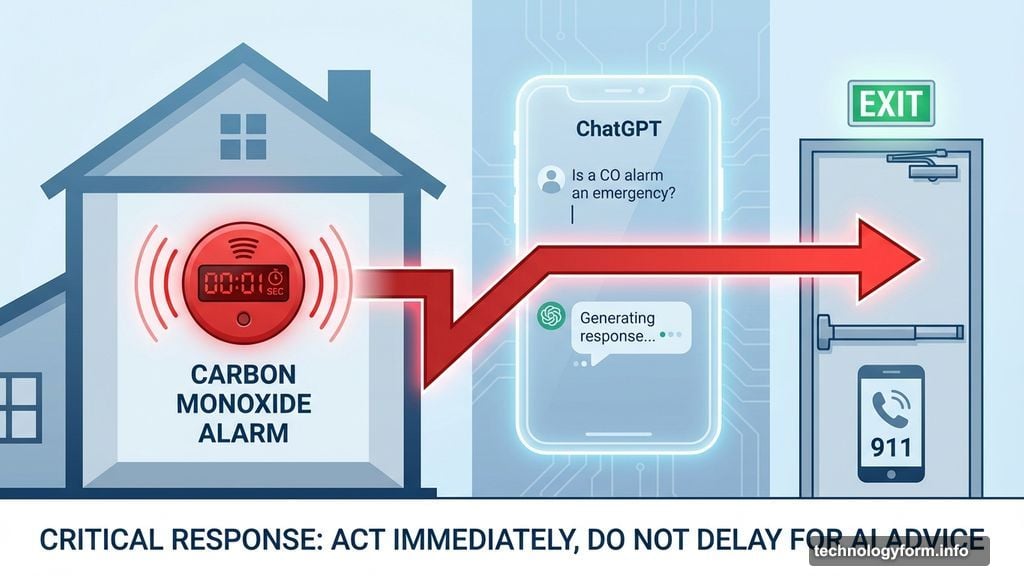
Your carbon monoxide alarm starts beeping. Do you open ChatGPT to ask if you’re in danger?
No. You evacuate first and ask questions later.
ChatGPT can’t smell gas, detect smoke, or dispatch emergency services. Every second you spend typing is a second you’re not calling 911 or getting to safety.
Large language models work only with the information you provide. In emergencies, that’s usually incomplete and time-sensitive. So treat ChatGPT as a post-incident explainer, never a first responder.
Financial Planning Requires Personalization
ChatGPT can explain what an ETF is. It can’t calculate your debt-to-income ratio or recommend specific tax strategies based on your filing status.
I know people who paste their 1099 forms into ChatGPT for DIY tax returns. That’s dangerous for two reasons.
First, ChatGPT’s training data stops before the current tax year. Rate changes, new deductions, and updated regulations aren’t included. Second, anything you share becomes training data. That includes your income, Social Security number, and bank routing information.
A CPA can catch hidden deductions worth hundreds or flag mistakes that cost thousands. ChatGPT can’t. And when IRS penalties are on the line, you want a professional who carries liability insurance.
Confidential Data Must Stay Confidential
As a tech journalist, I see embargoed press releases daily. I’ve never considered pasting them into ChatGPT for a summary.
Why? Because that text immediately leaves my control. It lands on third-party servers outside my NDA’s protection. The same risk applies to client contracts, medical records, birth certificates, driver’s licenses, and passports.
HIPAA, GDPR, and CCPA exist for good reasons. Once information enters a prompt window, you can’t control where it’s stored or who reviews it internally. Plus, ChatGPT isn’t immune to security breaches.
If you wouldn’t post it in a public Slack channel, don’t paste it into ChatGPT.
Illegal Activities Stay Illegal
This one shouldn’t need explanation. But just in case: ChatGPT won’t help you break the law without consequences.
Academic Cheating Has Real Penalties
I cheated once in high school. Used my first-generation iPod Touch to sneak calculus equations during an AP exam. Not proud of it.
But AI-powered cheating operates at a completely different scale. Turnitin and similar detectors improve every semester. Professors can spot “ChatGPT voice” immediately (goodbye, beloved em dash).
Suspension, expulsion, and professional license revocation are real risks. Besides, you’re cheating yourself out of an education when ChatGPT does your work.
Use it as a study buddy. Not a ghostwriter.
Breaking News Needs Real-Time Sources
ChatGPT Search launched in late 2024 and opened to everyone by February 2025. It fetches fresh web pages, stock quotes, and sports scores with clickable citations.
However, it won’t stream continuous updates automatically. Every refresh requires a new prompt. So when speed matters, live feeds, official press releases, and streaming coverage beat ChatGPT every time.
Gambling Predictions Are Worthless
I once hit a three-way parlay during March Madness using ChatGPT’s suggestions. Pure luck.
ChatGPT hallucinates player statistics, misreports injuries, and gets win-loss records wrong. I only cashed out because I verified every claim against real-time odds. Even then, luck played a massive role.
Don’t rely on ChatGPT to secure wins. It can’t predict tomorrow’s box scores.
Legal Documents Require Lawyers
ChatGPT excels at explaining basic legal concepts. Want to understand revocable living trusts? Ask away.
But drafting actual legal text? You’re gambling with your future.
Estate and family law rules vary by state, sometimes by county. Skip one witness signature or omit a notarization clause, and your entire document gets tossed in court.
Instead, use ChatGPT to build a checklist of questions. Then pay a lawyer to turn that checklist into a document that holds up legally.
Art Requires Human Creation
This one’s personal opinion, not objective fact. But I don’t believe AI should create art you pass off as your own.
I’m not anti-AI. I use ChatGPT for brainstorming headlines and refining ideas. That’s supplementation, not substitution.
By all means, use ChatGPT. Just don’t use it to make art and claim credit. That feels dishonest.
ChatGPT is a tool, not a replacement for human expertise, judgment, or creativity. Know its limits. Respect its boundaries. And remember that some questions are too important to trust to a chatbot.