Nvidia’s Jensen Huang Says Agentic AI Just Hit Its Biggest Turning Point Yet
Something big shifted in AI over the last few months. And Nvidia CEO Jensen Huang wants to make sure you know about it.
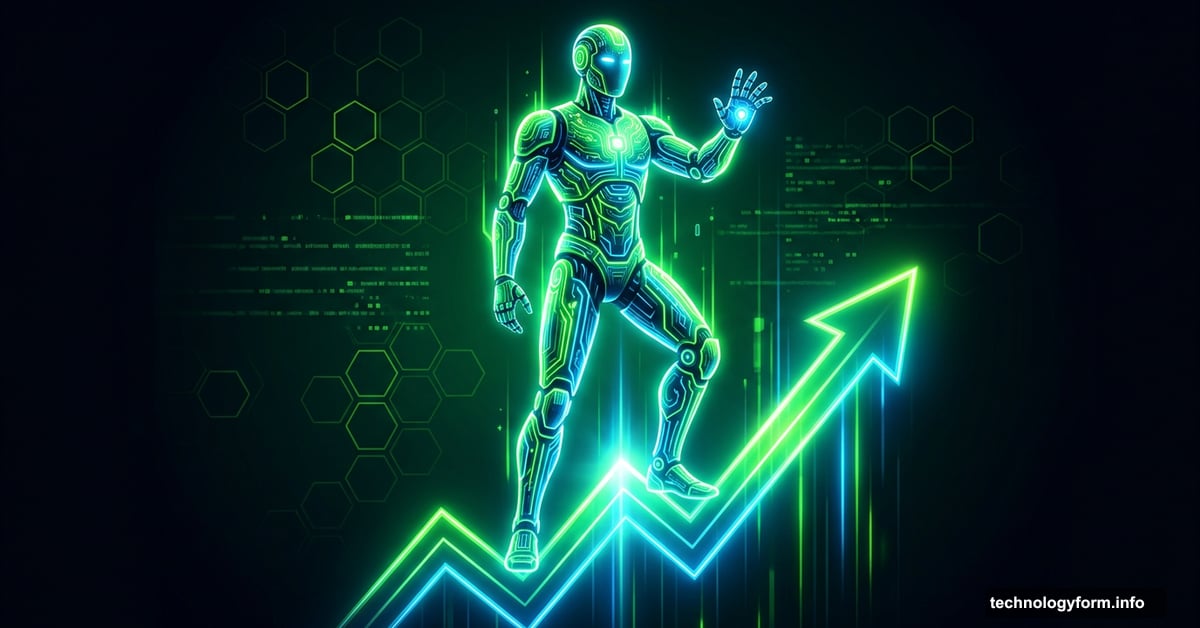
During Nvidia’s quarterly earnings call on Wednesday, Huang declared that agentic AI has reached “an inflection point” and that AI agents are now “solving real problems.” For a company sitting at the center of the entire AI boom, that’s a pretty bold statement worth paying attention to.
Agentic AI: What It Means in Plain Language
So what exactly is agentic AI, and why does it matter?
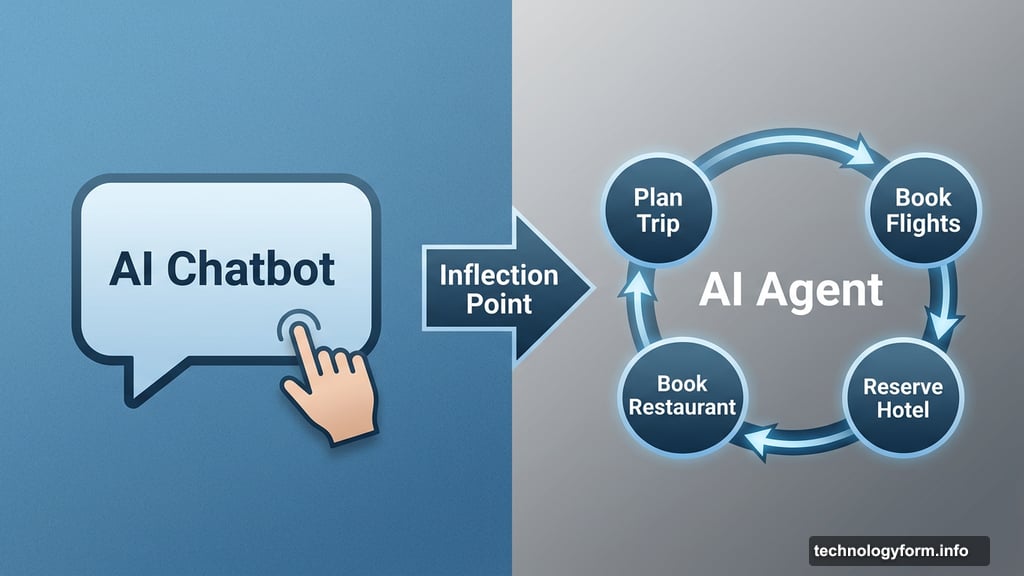
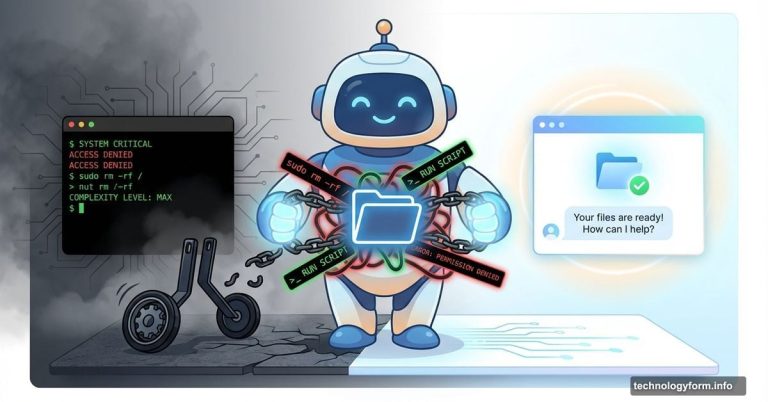
Think of regular AI chatbots as really smart assistants that wait for you to ask questions. They respond, then stop. Agentic AI works differently. These systems can take real actions on their own without you holding their hand through every step.
For example, instead of asking an AI to find vacation options and then manually booking each piece yourself, an AI agent could plan the whole trip and book flights, hotels, and restaurants without you constantly giving it new instructions. It just handles the whole thing.
That shift from “AI that responds” to “AI that acts” is exactly what Huang described as the inflection point. And according to him, this awakening happened within just the last two or three months.
Nvidia’s Revenue Reflects the AI Surge
It’s hard to overstate how much Nvidia has benefited from the AI wave.
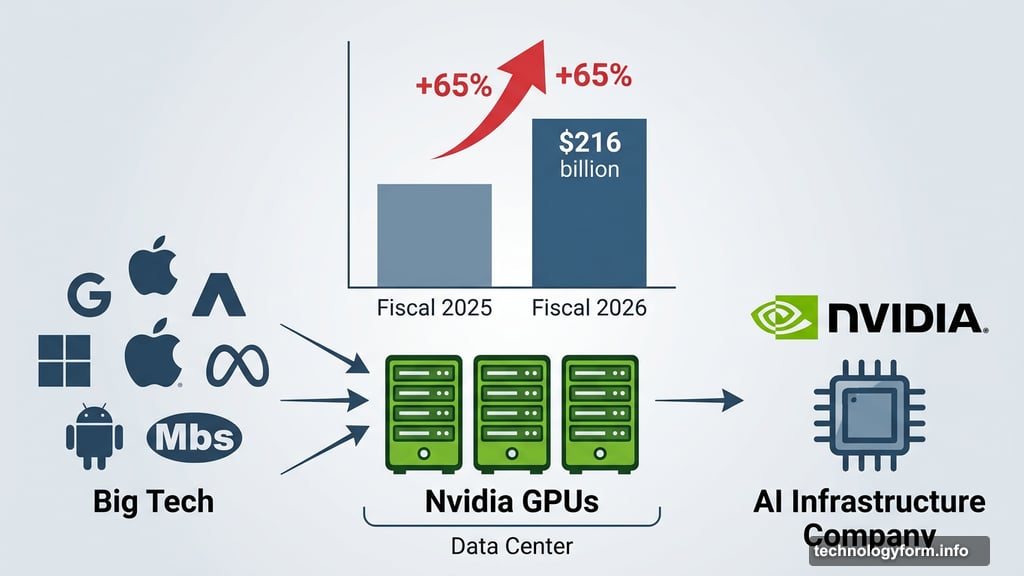
The company’s annual revenue for fiscal 2026 hit $216 billion, up 65% from the previous year. Those numbers are staggering, and they’re largely driven by demand for Nvidia’s powerful chips from Big Tech companies building out massive data centers.
Huang now describes Nvidia not as the graphics card company it started as, but as an AI infrastructure company. That’s quite an evolution. But given those revenue figures, it’s hard to argue with the label.
Physical AI Is the Next Frontier
Huang didn’t stop at agentic AI. He went further, pointing to physical AI as the next major inflection point on the horizon.
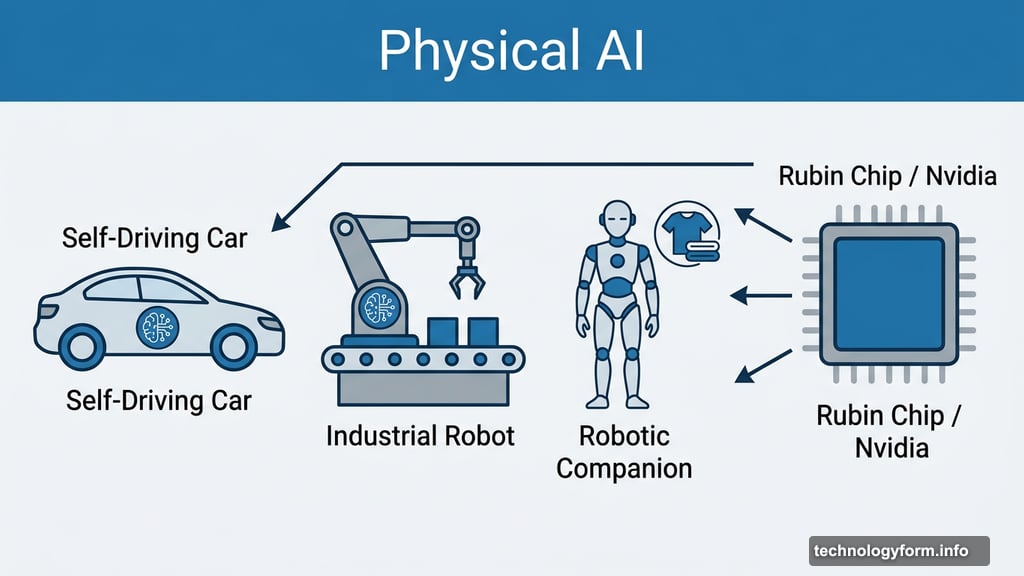
Physical AI refers to embedding artificial intelligence directly into machines. We’re talking self-driving cars, industrial robots, and robotic companions. If you caught any coverage from CES earlier this year, you saw glimpses of this future already. Robots were folding clothes, working assembly lines, and even acting as personal companions at the show.
Plus, Samsung got in on the agentic AI conversation just hours before Nvidia’s earnings call. The tech giant unveiled its new Galaxy S26 phone lineup and devoted significant time to highlighting the “agentic AI experience” the phones will deliver. So the momentum here is real and building fast.
What’s Coming Next from Nvidia
The company’s GTC conference in March should bring a clearer picture of where things are heading. Expect more details on the Rubin chip, Nvidia’s next AI-focused processor. There’s also a possibility Nvidia could announce a move into laptop chip territory, which would be a significant expansion for the company.
Agentic AI moving from buzzword to real-world tool is genuinely exciting. We’ve spent years talking about what AI could eventually do. Now it’s starting to actually do those things. And if Huang is right about physical AI being the next big leap, the robots folding your laundry might arrive sooner than you’d think.