Your TV Gets a Major Upgrade This Year. But There’s a Catch
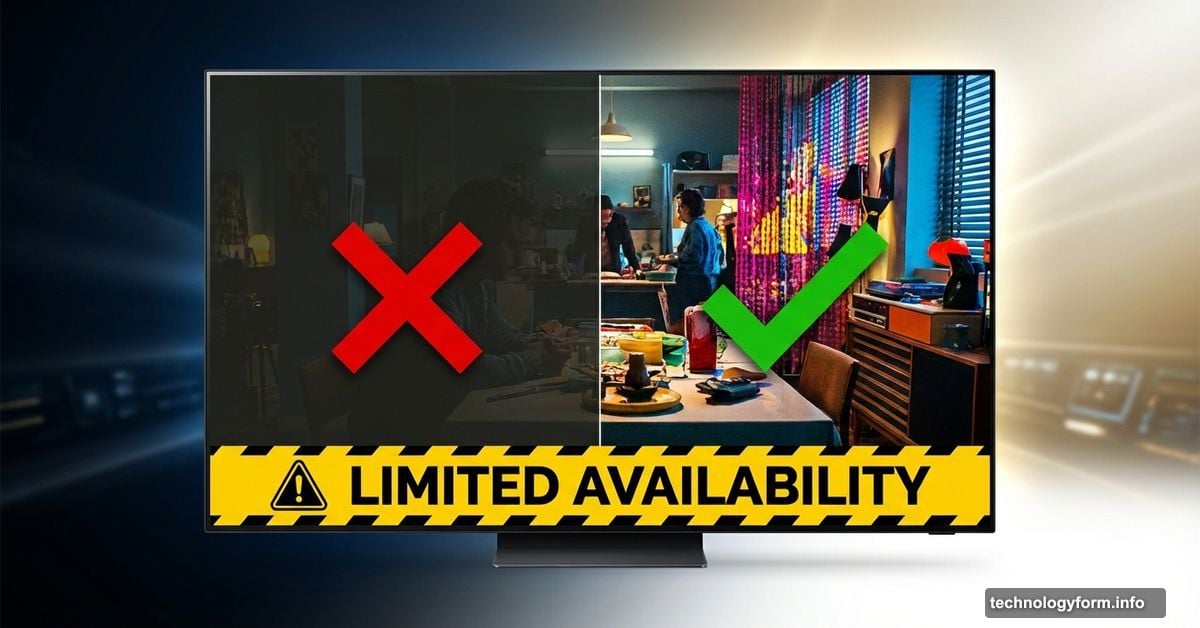
Dolby Vision 2 just made its big debut at CES 2026. After months of anticipation, we finally saw what the next-generation image engine can actually do.
I spent time with multiple demos and grilled Dolby’s team about the details. The improvements are real. But availability? That’s going to be frustratingly limited at launch. Here’s everything you need to know before getting excited about upgrading.
What Actually Changes With Dolby Vision 2
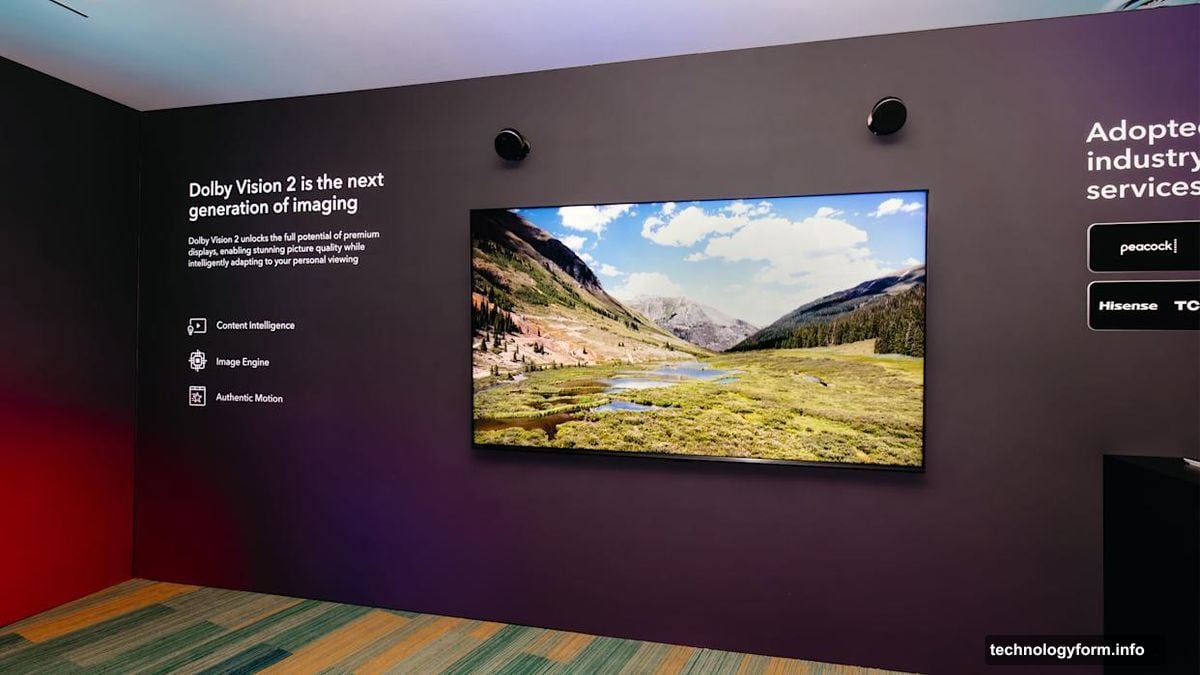
Dolby Vision 2 brings three major upgrades to your TV’s picture quality. These aren’t minor tweaks. They’re fundamental improvements to how your display handles content.
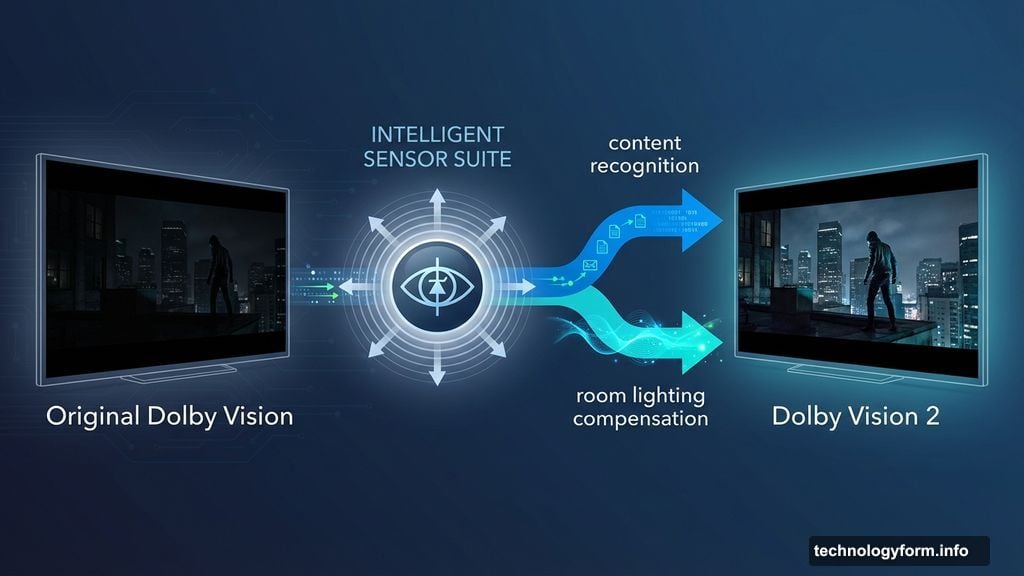
First, there’s content recognition. Your TV will automatically optimize picture settings based on what you’re watching and your room’s lighting. Those frustratingly dark scenes everyone complains about? Dolby Vision 2 compensates for them. Plus, it adjusts motion handling for sports and gaming.
Second, improved tone mapping delivers better color reproduction. I witnessed this firsthand across multiple demos. It’s the single biggest visual difference between current Dolby Vision and DV2. Colors look more accurate and vibrant without appearing oversaturated.
Third, Authentic Motion aims to eliminate judder without creating that artificial soap opera effect. Dolby promises optimal smoothing that maintains a cinematic feel. This means smoother motion without making movies look like cheap TV productions.
The Technology Behind the Upgrade
Dolby built Vision 2 to harness everything modern TVs can do. In the decade since original Dolby Vision launched, display technology exploded forward. Processing power increased dramatically. Display panels got significantly better.
So Dolby Vision 2 essentially catches the software up to the hardware. It leverages capabilities that today’s premium TVs already have but couldn’t fully utilize before.
However, there’s a requirement that matters. Any TV supporting the full Dolby Vision 2 feature set needs an ambient light sensor. That’s how the system compensates for room lighting. If your TV lacks that sensor, you won’t get the complete experience.
Which TVs Support It First
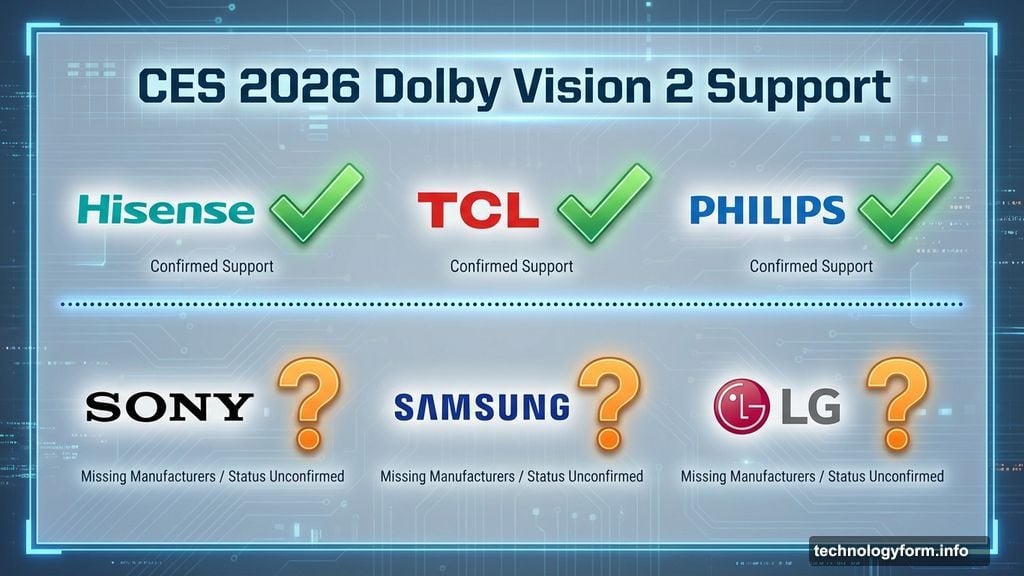
Three manufacturers pledged Dolby Vision 2 support at CES 2026. That’s it for now.
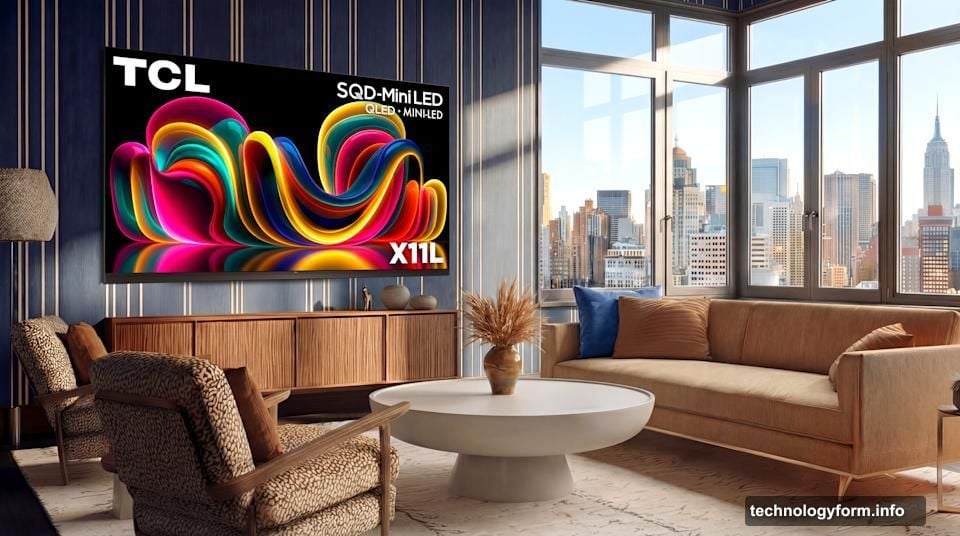
Hisense brings it to their 2026 RGB MiniLED TVs, including the UX, UR9, and UR8 models. They’ll also push OTA updates to additional MiniLED TVs. TCL’s 2026 X QD-Mini LED TV Series and C Series will get support via future updates.
Meanwhile, TP Vision’s Philips 2026 OLED lineup gets native support. This includes the OLED811, OLED911, and flagship OLED951 series.
Notice who’s missing? Sony doesn’t announce TVs at CES anymore. Samsung wasn’t mentioned. LG stayed quiet. So the biggest TV makers haven’t revealed their plans yet.
More manufacturers will surely announce support throughout 2026. But if you’re hoping for widespread availability immediately? That’s not happening.
Streaming Support Remains Extremely Limited
Here’s where things get frustrating. Only one streaming service currently supports Dolby Vision 2.
Peacock grabbed that exclusive honor at CES. As of now, they’re the only streamer pledging support. Yes, services like Netflix, Disney+, Apple TV+, Amazon Prime Video, HBO Max, and Paramount+ all support current Dolby Vision. But none have committed to the upgraded version yet.
I expect more services will announce support throughout the year. They’d be foolish not to. But right now? Your options are severely limited.
So even if you buy a compatible TV, finding content that actually utilizes Dolby Vision 2 will be challenging initially. You’ll mostly be watching regular Dolby Vision content on a TV that can do more.
The Ambient Light Problem
Remember that ambient light sensor requirement? It creates a sneaky barrier to adoption.
Not every premium TV includes ambient light sensors. Some manufacturers skip them to cut costs. Others implement them poorly. So even among high-end TVs, not all models will support the full Dolby Vision 2 experience.
This means you can’t just assume any new TV will get Dolby Vision 2 via firmware update. The hardware has to support it first. That’s going to confuse consumers and complicate buying decisions.
Manufacturers will need to clearly communicate which TVs have the necessary sensors. I’m not confident they’ll do that effectively.
What This Means for Your Wallet
Should you wait to buy a TV? That depends on your timeline and priorities.
If you’re planning to buy in early 2026, you might want to pause. More manufacturers will announce Dolby Vision 2 support throughout the year. Waiting a few months could give you better options and potentially better prices.
But if you need a TV now, don’t stress too much. Current Dolby Vision still looks excellent. Plus, the limited content availability means you won’t miss much initially by sticking with current-gen displays.
For those with recent high-end TVs, OTA updates might bring Dolby Vision 2 support. Hisense already confirmed this for some models. Other manufacturers will likely follow. So your 2025 flagship might get upgraded software this year.
The Real Question Nobody’s Answering
Dolby Vision 2 looks impressive in demos. The tone mapping improvements are genuinely noticeable. But demos always look good. Controlled lighting, carefully selected content, perfectly calibrated displays.
What happens in your living room with ambient light, streaming compression, and consumer-grade hardware? That’s the test that matters. We won’t know the answer until these TVs ship and people use them in real homes.
I’m cautiously optimistic. Dolby usually delivers on their promises. But the gap between demo and reality can be surprisingly wide. Only real-world usage will reveal whether Dolby Vision 2 lives up to the hype.
Buy a compatible TV if you’re due for an upgrade anyway. But don’t rush out specifically for Dolby Vision 2 support just yet. The ecosystem needs time to mature first.