Google’s AI Detector Only Spots Its Own Fakes. That’s a Problem
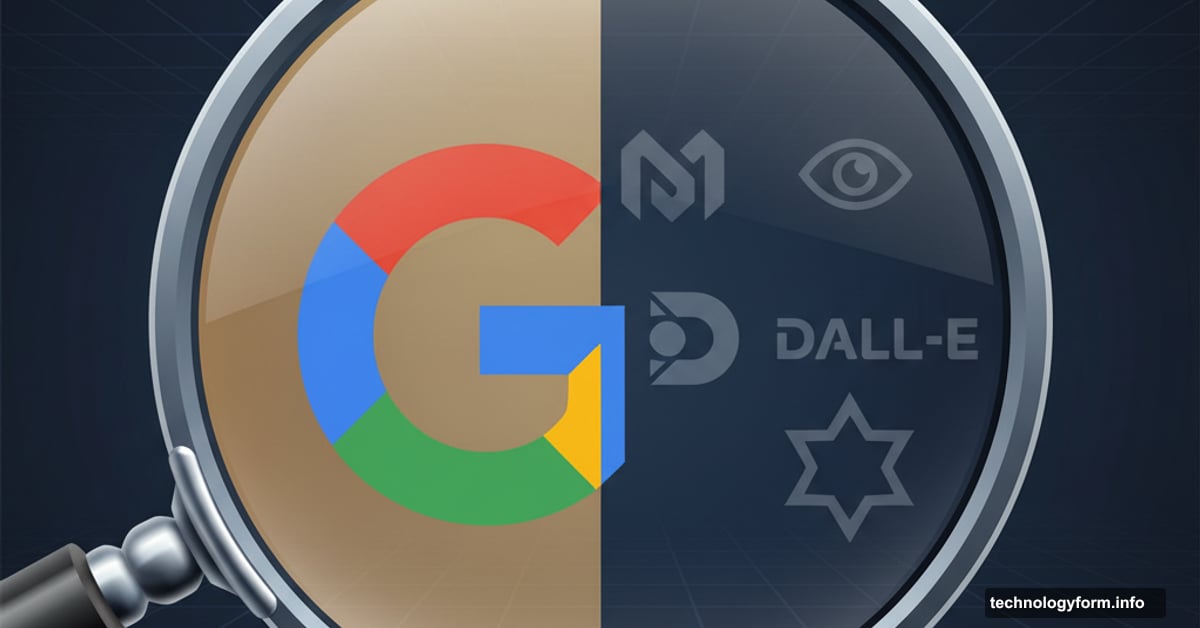
Google just rolled out a tool to identify AI-generated images. Sounds helpful, right? Except it only detects content made with Google’s own AI tools.
That’s like installing a security system that only recognizes burglars wearing a specific uniform. Meanwhile, everyone else walks right in.
What SynthID Detector Actually Does
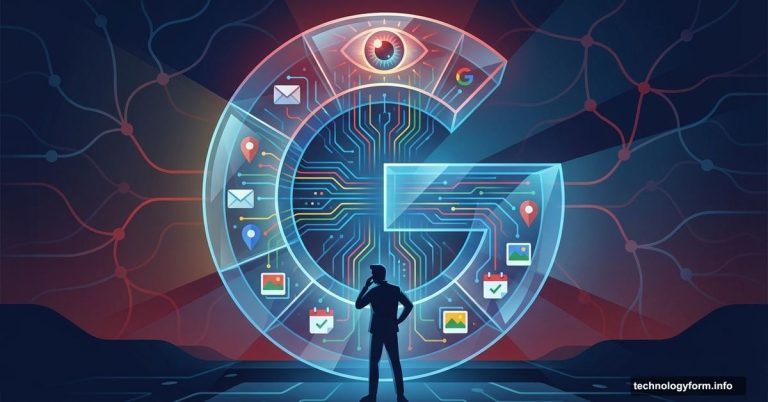
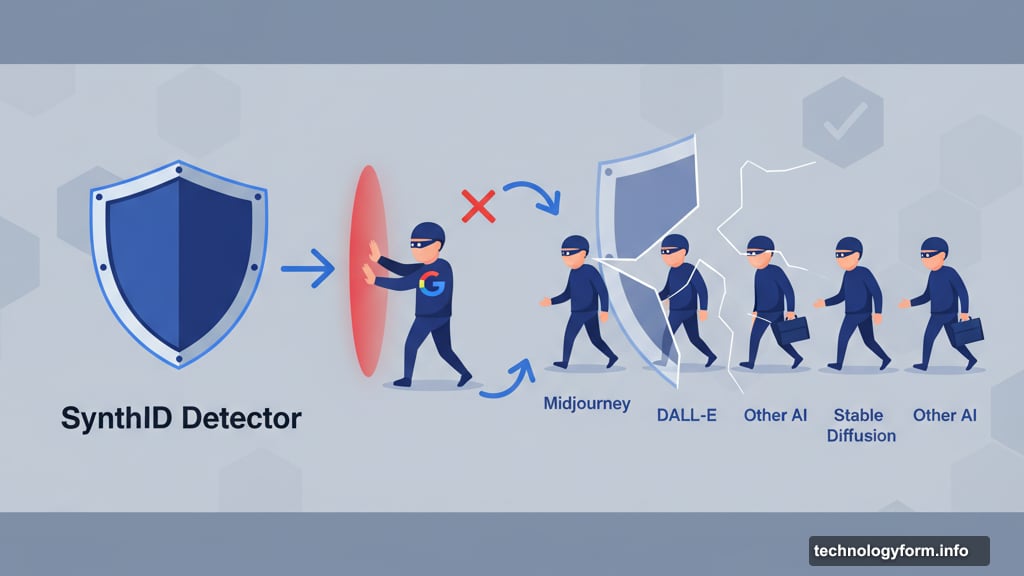
Google’s new SynthID Detector works through Gemini. You upload an image and ask whether AI created it. The system scans for invisible watermarks that Google embeds in all its AI-generated content.
When it finds that watermark, Gemini confirms the image came from a Google AI tool. Simple enough.
But here’s the catch. If someone used Midjourney, DALL-E, Stable Diffusion, or any other AI image generator, Gemini can’t tell you anything. The tool only recognizes Google’s watermarks.
Plus, right now it only works with images. Google promises video and audio detection later. But that doesn’t help with the flood of AI content already online.
Why This Matters More Than Ever
AI image generators keep getting better. Google’s new Imagen 3 pro model creates legible text and upscales to 4K resolution. That means more convincing fakes than ever before.
We’ve dealt with deepfakes for years. But AI tools let anyone create realistic fake content instantly. No technical skills required. No expensive software needed.
The result? Social media filled with AI slop. Misleading political content. Fake celebrity endorsements. Fabricated news images. All nearly impossible to spot without close inspection.
And nobody vigorously analyzes every post while scrolling. We see an image, make a split-second judgment, and keep moving. That’s exactly how deepfakes spread.
The Watermark Problem Nobody Solved
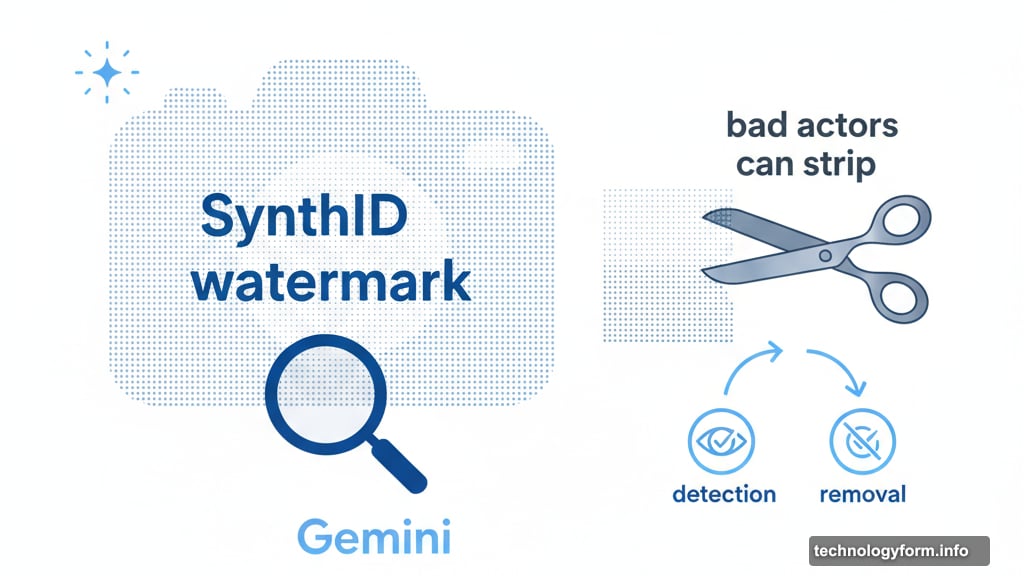
Google started adding SynthID watermarks to AI content back in 2023. Every image from their AI models carries this invisible marker. They also add a small sparkle icon, but most people miss it.
Other companies use different watermarking systems. Or no watermarks at all. There’s no universal standard everyone follows.
So Google’s detector works great for Google’s content. But that’s a tiny fraction of AI images online. Most people use multiple AI tools, not just Google’s.
Moreover, determined bad actors can strip watermarks. It takes effort, but it’s possible. So even Google’s watermarks don’t guarantee detection.
Detection Tools Keep Falling Behind
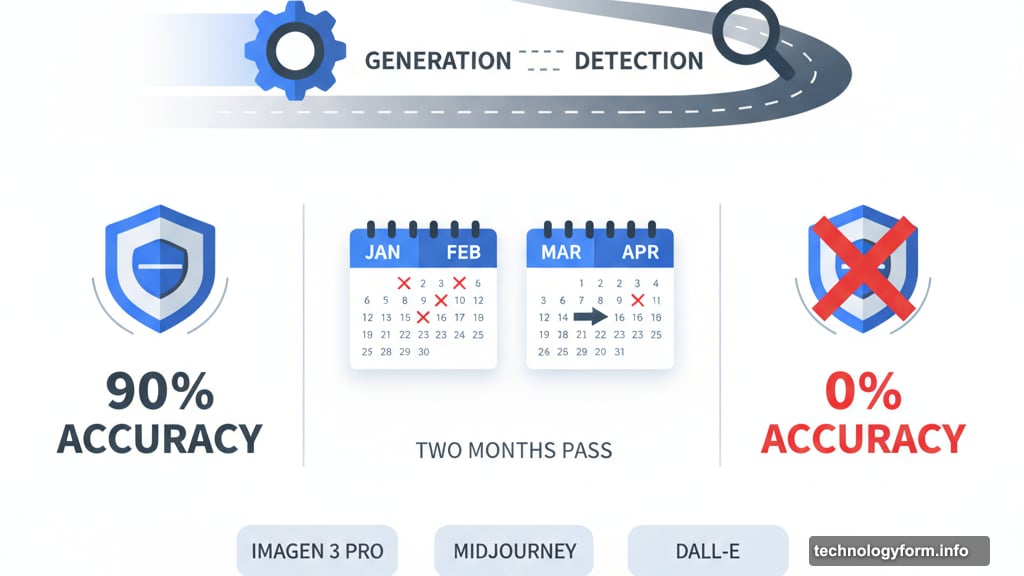
AI detection tools exist from various companies. None of them work perfectly. Generative models improve so rapidly that detectors struggle to keep pace.
One month a detector catches 90% of AI images. Two months later, new models fool it completely. It’s an arms race where detection always lags behind generation.
That’s why labeling matters more than detection. Content creators should mark their AI-generated work clearly. Platforms should require AI disclosure. Viewers need to stay skeptical of suspicious content.
But those solutions depend on cooperation and good faith. Bad actors won’t voluntarily label their deepfakes. Platforms struggle to enforce disclosure rules. And skepticism only goes so far when fakes look this convincing.
What Actually Helps
Google’s tool represents a small step forward. Better than nothing. But nowhere near enough to solve the deepfake crisis.
What we really need is industry-wide cooperation on watermarking standards. Every major AI company embedding compatible markers. Universal detection tools that work across all platforms. And serious consequences for deepfake creators who cause harm.
None of that exists yet. So for now, we’re stuck playing whack-a-mole with AI fakes. One company at a time. One detector at a time. Always falling behind.
The problem? Google helped create this mess with increasingly powerful AI tools. Now they’re offering a partial solution that only addresses their own contribution. That’s helpful for transparency around Google’s AI. But it doesn’t fix the broader crisis.
Stay skeptical of any images that seem too perfect or too convenient. Question viral content before sharing. And remember that AI detection tools, including Google’s, can’t catch everything. Not even close.