Smartwatches Got Serious About Health. Here’s What Changed
Your smartwatch isn’t just counting steps anymore. The devices strapped to wrists in 2025 pack sensors that rival medical equipment, screens big enough to actually read, and AI smart enough to spot health problems before you feel them.
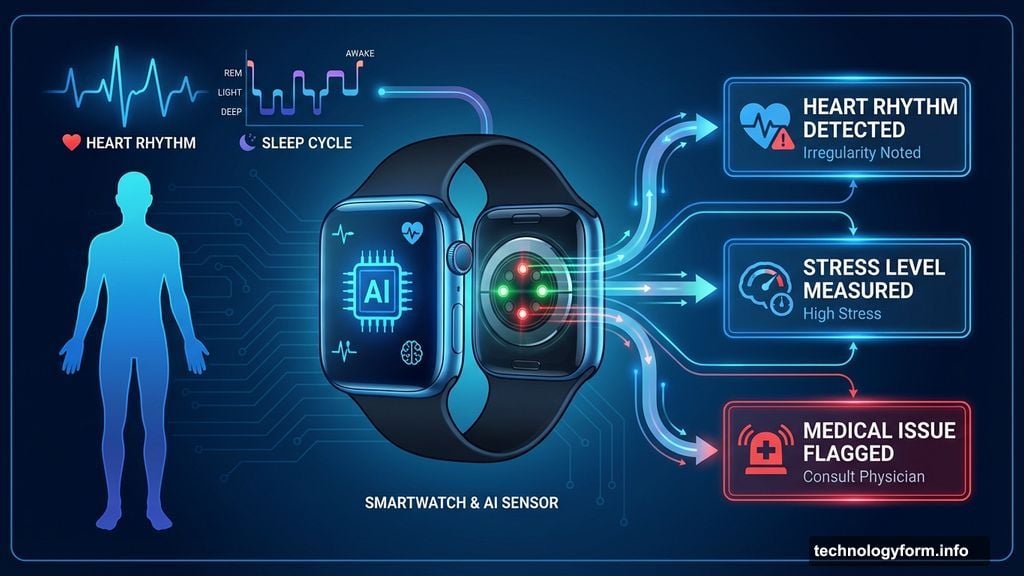
This shift happened fast. What started as glorified notification buzzers evolved into genuine health companions. Now these devices track heart rhythms, analyze sleep patterns, measure stress levels, and flag potential medical issues in real time.
The best part? They’re getting easier to use while becoming more powerful. Let’s break down what’s actually new and what it means for your daily life.
Screens You Can Finally Read
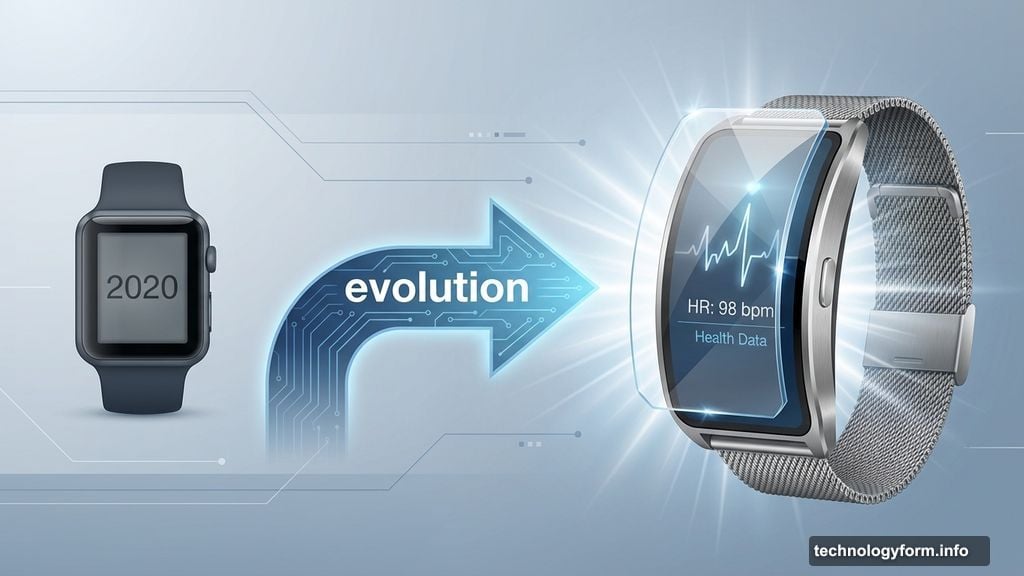
Display technology made a huge leap this year. Modern smartwatches feature flexible OLED screens that stretch bigger without adding bulk to the device. Higher resolutions mean sharper text and richer interfaces.
Always-on displays work differently now too. Previous generations drained batteries keeping screens lit. Current models use clever power management that shows time and key metrics constantly without killing your charge by lunch.
Moreover, these screens adapt to lighting conditions automatically. Bright sunlight? The display boosts visibility. Dark room? It dims to protect your night vision. Plus, the improved touch responsiveness means fewer accidental taps when you’re sweating during workouts.
Many premium models use sapphire glass now instead of regular glass. That matters because sapphire resists scratches from daily wear far better than alternatives. Your watch face stays clear after months of banging against door frames and desk edges.
Built Like They Mean It
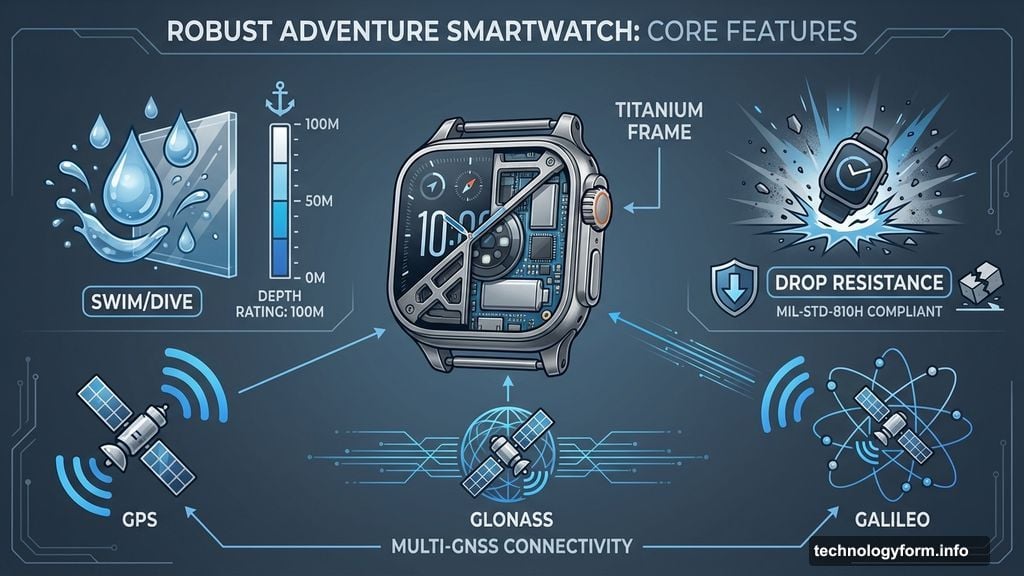
Durability jumped significantly across the board. Titanium frames replace aluminum on higher-end models, offering better strength at similar weight. These watches survive drops, bumps, and rough treatment that would’ve damaged previous generations.
Water resistance improved too. Most current smartwatches handle swimming, showering, and rain without issues. Some models push deeper, supporting serious diving activities with proper pressure ratings.
Besides physical toughness, multi-band GPS changed outdoor navigation. Earlier watches struggled under tree cover or between tall buildings. Now they connect to multiple satellite systems simultaneously, maintaining accurate tracking whether you’re trail running through forests or cycling city streets.
That GPS accuracy extends battery life in an unexpected way. Because the watch locks position faster and maintains connection more efficiently, it uses less power during activities. So you get better tracking and longer runtime.
Connectivity That Actually Works
5G integration appeared on select models this year. That sounds like marketing hype until you realize what it enables. Your watch can stream music independently, sync health data to the cloud instantly, and handle video calls without your phone nearby.
This independence matters more than you’d think. Leave your phone at home during runs and still access playlists, respond to messages, and track routes. The watch becomes a standalone device instead of a phone accessory.
However, 5G drains battery faster than 4G connectivity. Manufacturers addressed this with adaptive networking that switches between connection types based on what you’re doing. Streaming video? 5G kicks in. Just checking notifications? It drops to 4G or WiFi to conserve power.
Cloud-based health analysis benefits from faster connectivity too. Your workout data uploads immediately after exercise, gets processed through AI algorithms, and returns personalized insights within minutes instead of hours.
Sensors That See Inside You
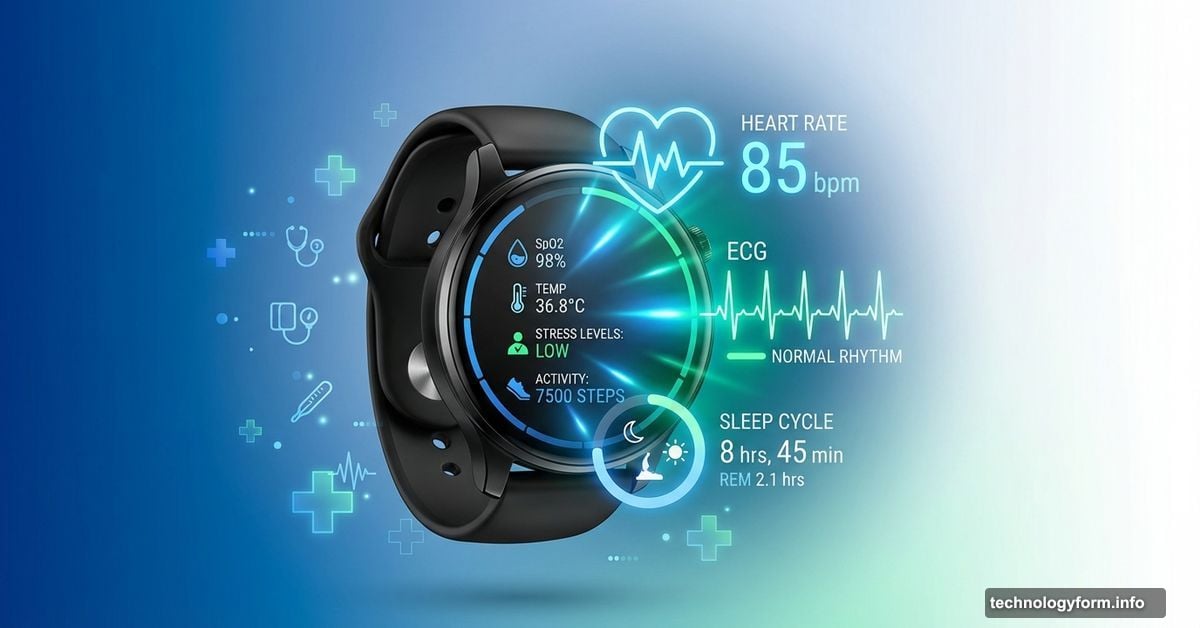
Health tracking capability exploded beyond basic heart rate monitoring. Modern smartwatches pack ECG sensors that detect irregular heart rhythms, SpO2 monitors measuring blood oxygen levels, skin temperature sensors tracking subtle changes, and advanced accelerometers analyzing sleep stages.
These sensors work together, not separately. The AI processes combined data to build comprehensive wellness pictures. Your watch notices when elevated heart rate coincides with poor sleep and rising skin temperature, then flags potential illness before symptoms worsen.
ECG functionality stands out particularly. You can take medical-grade heart rhythm readings anytime, catching arrhythmias that might only appear occasionally. Some devices automatically run background ECG checks during sleep when heart irregularities commonly surface.
Blood oxygen monitoring helps beyond altitude sickness detection. Consistently low SpO2 levels indicate potential respiratory or circulatory issues worth discussing with doctors. Athletes use it to optimize training intensity and recovery periods.
Plus, skin temperature tracking proved surprisingly useful. Small temperature variations often precede illness onset or indicate stress responses. Your watch learns your baseline temperature patterns and alerts you to meaningful deviations.
AI Makes Sense of All That Data
Collecting health metrics means nothing without actionable insights. That’s where AI-powered analytics transformed smartwatch utility. Algorithms process your data continuously, identifying trends, detecting anomalies, and generating wellness scores you can actually understand.
These systems learn your personal patterns over weeks and months. They know your normal resting heart rate, typical sleep schedule, and usual activity levels. So when something deviates significantly, the watch flags it as potentially concerning rather than just showing raw numbers.
Predictive alerts represent the most valuable AI feature. Your watch might notice heart rate variability patterns associated with overtraining and suggest rest days before injury occurs. It could detect prolonged stress indicators and recommend breathing exercises or schedule breaks.
Some devices take this further with coaching features. AI assistants guide workouts, adjust intensity based on real-time biometrics, and provide recovery recommendations tailored to your current state. It’s like having a personal trainer who monitors your vitals constantly.
However, accuracy matters enormously here. Early AI wellness features often generated false alarms or missed genuine issues. Current generation algorithms improved dramatically through better training data and refined detection parameters.
Health Tracking Gets Seriously Advanced
Beyond standard sensors, cutting-edge models introduced capabilities that seemed like science fiction recently. Non-invasive glucose monitoring appeared on some smartwatches, tracking blood sugar trends without finger pricks.
This technology uses optical sensors measuring glucose-related changes in skin interstitial fluid. While not yet matching fingerstick accuracy, it provides useful trend data showing how meals, exercise, and stress affect glucose levels throughout the day.
Stress biomarker tracking evolved significantly too. Watches analyze heart rate variability, skin conductance, breathing patterns, and other physiological markers to quantify stress levels objectively. You get numeric stress scores instead of subjective feelings.
These measurements help identify stress triggers you might not consciously recognize. Maybe your stress spikes during specific meetings or at certain times of day. Armed with that data, you can implement targeted stress management strategies.
Sleep stage detection reached near-lab accuracy through combined sensor data and improved algorithms. Your watch differentiates between light sleep, deep sleep, and REM stages, then provides breakdowns showing whether you’re getting restorative rest.
Moreover, some devices detect sleep apnea events by monitoring breathing patterns, blood oxygen dips, and movement during sleep. This screening capability catches a common but often undiagnosed condition affecting millions.
Environmental Awareness Adds Context
Advanced smartwatches don’t just monitor your body anymore. They track environmental factors affecting your health too. UV sensors measure sun exposure, warning when you’ve absorbed enough radiation to risk sunburn.
Air quality sensors appeared on premium models, detecting particulate matter and pollution levels. This matters for people with respiratory conditions or those living in areas with variable air quality. Your watch can suggest indoor exercise when outdoor air turns problematic.
Ambient temperature and humidity tracking provides workout safety context. Exercising in high heat and humidity increases heat exhaustion risk. Your watch factors these conditions into exertion recommendations, preventing dangerous overexertion in extreme weather.
Altitude sensors help beyond hiking and climbing. They detect pressure changes that affect some people’s health, particularly those with certain heart conditions or migraines triggered by barometric pressure shifts.
Battery Life Finally Makes Sense
Power management was smartwatches’ Achilles heel for years. Beautiful displays and powerful sensors drained batteries in hours. Recent wearable tech updates solved this frustration through multiple improvements working together.
Efficient OLED displays consume significantly less power than previous screen technologies, especially when showing mostly black interfaces. Combined with adaptive brightness that reduces output when full brightness isn’t needed, displays became far less demanding.
Sensor power optimization helped tremendously too. Instead of continuous measurement, watches use intelligent sampling that captures necessary data without constant operation. Heart rate monitoring might check every second during workouts but every few minutes during rest.
AI-driven power management learns your usage patterns and adjusts accordingly. If you typically charge overnight and need full-day runtime, the watch optimizes for that schedule. Going on a weekend camping trip? It shifts to extreme battery saving mode automatically.
These improvements deliver multi-day battery life even with always-on displays and comprehensive health tracking active. Many current models last three to five days between charges under normal use, with week-long battery life possible in power saving modes.
Integration Makes Everything Better
Standalone capability matters, but smartwatches shine brightest when integrated into broader ecosystems. Seamless synchronization with smartphones, tablets, and computers means your health data flows wherever you need it.
Cloud platforms store historical health information, enabling long-term trend analysis impossible when data lives only on your watch. You can review years of sleep patterns, track fitness progress over months, and share relevant metrics with healthcare providers easily.
Third-party app integration expanded significantly. Popular fitness apps, nutrition trackers, meditation programs, and health management tools connect directly to your watch data. This eliminates manual entry and provides more accurate, comprehensive information to these services.
Smart home integration appeared as an unexpected but welcome feature. Your watch communicates with thermostats, lighting, and other connected devices. Come home from a run and your house automatically adjusts temperature and lighting to support recovery.
Voice assistants became genuinely useful on smartwatches too. Quick queries, message dictation, and hands-free control work reliably enough for practical daily use instead of frustrating experiments in shouting at your wrist.
Personalization Without Compromise
Customization options exploded while maintaining functionality. Modular watch bands let you swap styles instantly, from rugged sport bands for workouts to leather or metal for professional settings. These aren’t just cosmetic changes either.
Different band materials affect comfort and sensor accuracy during various activities. Silicone bands work best for sweaty workouts, while softer elastomer bands improve all-day comfort. Metal bands add formality without compromising heart rate sensor contact.
Watch faces evolved into sophisticated personal dashboards. Instead of simple time displays, modern faces show customizable data complications pulling real-time information from apps, sensors, and connected services. You design exactly what information appears and where.
Size options accommodate different wrist sizes properly now. Smaller watches for smaller wrists aren’t just scaled-down versions of large models anymore. They’re purpose-built with appropriately sized cases, crowns, and buttons for comfortable operation.
Color and finish variety means finding a watch matching your style became easier. Matte titanium, polished stainless steel, brushed aluminum, and even ceramic cases provide options ranging from subtle professional looks to bold statement pieces.
What This Means for Daily Life
These technological advances translate into practical benefits affecting how you live, work, and manage health. Instead of reacting to health problems after they develop, you can spot warning signs early and take preventive action.
Personalized wellness scoring replaces guesswork with data-driven insights. You know whether today’s a good day to push hard during workouts or whether your body needs recovery time. This prevents overtraining injuries while maximizing fitness progress.
Stress management improves when you can quantify stress objectively. Seeing concrete stress score numbers makes the problem tangible and trackable. You can test whether specific interventions like breathing exercises or schedule changes actually reduce stress measurably.
Sleep optimization became realistic for regular people, not just elite athletes. Understanding your sleep quality and identifying factors that improve or worsen rest leads to better sleep hygiene and more restorative nights.
Moreover, having comprehensive health data strengthens conversations with healthcare providers. Instead of vague descriptions of symptoms or problems, you present objective measurements showing exactly what’s happening and when.
The Reality Check
Not everything about modern smartwatches is perfect. Despite improvements, accuracy limitations exist compared to medical equipment. These devices provide useful health information but shouldn’t replace professional medical care or diagnostic tools.
Privacy concerns remain valid too. Your smartwatch collects incredibly intimate health data continuously. Understanding how manufacturers store, process, and protect this information matters enormously. Reading privacy policies isn’t exciting, but it’s necessary.
Cost presents another barrier. Premium smartwatches with cutting-edge sensors and features run several hundred dollars. While prices dropped for older models, the latest technology carries significant expense.
Learning curves frustrate some users too. These devices pack enormous functionality, but mastering all features takes time. Simplified interfaces help, but there’s inherent complexity in products doing this much.
Battery life improved dramatically, but it’s still not “set it and forget it” like traditional watches. You’re charging every few days minimum, requiring new habits around keeping your watch powered.
Where This Goes Next
Current smartwatch trends point toward even more sophisticated health monitoring ahead. Continuous glucose monitoring will improve, potentially becoming accurate enough for diabetes management without traditional testing.
Blood pressure monitoring without cuffs represents another frontier. Several companies work on optical sensors measuring pressure through subtle changes in blood flow patterns. This could help millions with hypertension track their condition continuously.
Mental health tracking shows promise too. Researchers explore detecting depression and anxiety indicators through physiological markers and behavior patterns. Your watch might notice concerning changes and suggest professional help before crises develop.
Medication adherence tracking could arrive through integration with smart pill bottles or detection of physiological changes indicating missed doses. This addresses a major healthcare challenge affecting treatment outcomes.
However, regulatory approval remains necessary for many advanced health features. Moving from wellness tools to actual medical devices requires rigorous testing and clearance. That process takes years, slowing deployment of some promising technologies.
Making Smart Choices
Given rapid evolution in smartwatch capabilities, choosing the right device requires thinking about your specific needs. Hardcore fitness enthusiasts benefit from advanced activity tracking and training features. Casual users might prioritize simplicity and battery life instead.
Consider your smartphone ecosystem too. Some watches work exclusively or best with specific phone brands. Switching platforms might mean abandoning your smartwatch investment or accepting reduced functionality.
Think about which health metrics actually matter to you. If you don’t care about detailed sleep tracking, paying extra for sophisticated sleep sensors makes little sense. Focus on features you’ll actually use rather than chasing every capability.
Try watches on if possible before buying. Comfort matters enormously for devices worn all day. A watch that looks great but feels annoying after two hours won’t deliver value no matter how impressive its specs.
Read reviews from actual users, not just tech publications. Real-world experiences reveal quirks, limitations, and practical considerations that specifications never capture.
These devices evolved from simple notification screens to sophisticated health management platforms in just a few years. The combination of bigger displays, advanced sensors, and intelligent analytics transformed what’s possible from a wrist-worn device.
As technology continues improving, smartwatches will become even more capable and essential for managing personal wellness proactively. The future isn’t just tracking health. It’s preventing problems before they start and living better through actionable insights delivered continuously.
That’s the real promise of these devices. Not replacing doctors or medical care, but empowering people with information and tools to take charge of their own health in meaningful, measurable ways.